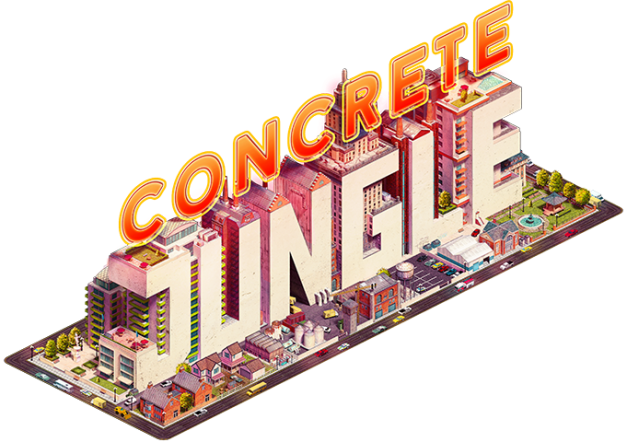
I was born in a smallish town, a two-hour drive from my suburban home. As I grew up, we moved through a succession of even smaller hometowns. It was a quiet, at times rustic, childhood. In most towns, the only grocery store was closed on Sundays, half the day on Wednesdays, and open 9 to 5 the rest of the week. In one construction camp we lived in, the nearest store was a 30-minute drive away; it was more like a convenience store than a grocery store. It was another 30 minute drive to a real crocery store. I bring this up because travelling to the city was a great adventure as a young person. After venturing out of the family home at twenty, I began an on-again/off-again relationship with city life. I have now lived in the concrete jungle more than in small towns. I have become an urban cowboy. This is not a comprehensive collection of songs that use the terms concrete/asphault sea/jungle. It is nothing more than a loose collection of songs about living in concrete canyons. Some are songs I have enjoyed for decades, like “Concrete Sea” by Terry Jacks; others are new to me. I hope you enjoy this little spin around the platter.
The earliest documented use of the phrase “concrete jungle” in print dates to March 1915, and it began appearing in popular use by the mid-1920s. Research and archives point to an early recorded instance in D. Maar’s short story “The Concrete Jungle” published in The Kaweah.
The earliest recorded use of the phrase “concrete jungle” in print appeared in June 1924 in The Sacramento Bee(Sacramento, California), describing a woman’s home as “lost in a concrete jungle of lofty apartment houses,” according to historical research documented via Word Histories.
The earliest well-known and popular use of the term “concrete sea” as a metaphorical phrase for the urban jungle comes from Canadian singer-songwriter Terry Jacks, who released his song “Concrete Sea” in 1972 as a single (which peaked at #16 on the Canadian charts) and later included it on his 1974 album Seasons in the Sun. Terry Jacks had a solid resume on Canadian radio in 1972. Seasons in the Sun, the debut studio album, features Jacks’ biggest hit song, the eponymous “Seasons in the Sun”, which reached No. 1 in over 10 countries. I was a music-loving teenager, and the only radio we could get was a news station, a country-and-western station (my Dad listened to it), and a pop station (I listened to it). Although “Seasons in the Sun” was the number-one hit, “Concrete Sea” caught my attention. I had the album, and I had moved to the land of concrete in 1975.
——————————————————————————————————————————————-
Concrete Jungle by Bob Marley & The Wailers
Concrete Sea isn’t as well known as Concrete Jungle. There are literally hundreds of Concrete Jungles planted all over the world. I chose Bob Marley’s “Concrete Jungle” as the first of the two I have settled on.
“Now, where is this love to be found?
Won’t someone tell me ’cause life (sweet life)
Must be somewhere (sweet life) to be found (out there somewhere for me)
Instead of a concrete jungle (jungle)
Where the living is harder (concrete jungle)
Concrete jungle (jungle).”
Bob Marley bemoans that life is harder in the Concrete Jungle. Marley refers specifically to Trench Town, a rough neighbourhood in Kingston, Jamaica, where he grew up. He also asks if someone can show him somewhere where life is sweet, instead of the harsh concrete jungle. Unfortunately, we will never know if he found refuge from the concrete jungle; he died of cancer.
——————————————————————————————————————————————-
Asphalt Canyon Blues by Kenny Burrell & Grover Washington, Jr. from their 1985 album Togethering. Asphalt is another euphemism for the concrete in our urban jungles. I think people overlook jazz and instrumentals as playlist contenders. I recommend sitting back with a beverage of your choice and focusing on this song and nothing else. I can hear the asphalt canyon in this song’s composition. It is an overlooked talent when musicians can make soundscapes and give us a vision of what they are playing without lyrics. I like jazz enough to include this track, and it’s asphalt blues.
——————————————————————————————————————————————
Twelve Thirty by The Mamas & The Papas
“I used to live in New York City
Everything there was dark and dirty
Outside my window was a steeple
With a clock that always said twelve-thirty
Young girls are coming to the canyon
And in the mornings I can see them walking”
This one pretty much tells us the story without me needing to add much commentary. The song was supposedly inspired by Laurel Canyon, a neighbourhood of Los Angeles, California. However, I think it resonated more strongly with where he used to live in “dark and dirty” New York City, where a broken clock on a church steeple was stuck at 12:30. However, I get a better image from looking out a window and seeing young girls coming to work in the morning and working in the canyons of the dark and dirty city in offices, shops and eating places. This is classic, no matter how you interpret it.
——————————————————————————————————————————————
A Cornucopia by The Speed of Sound
Frontman John Armstrong noted that the song juxtaposes the dreary reality of a modern Monday morning commute—complete with delayed trains and passengers glued to their phones—with a historic event, the moment the atomic bomb was dropped over Hiroshima, which occurred at exactly 8:15 AM on a Monday morning, August 6, 1945. The vocals on this song are gorgeous, and the music carries the lyrics high and powerful. Even without the bomb story, this would still be a very enjoyable song. You can get more info about them at Big Stir Records.
——————————————————————————————————————————————
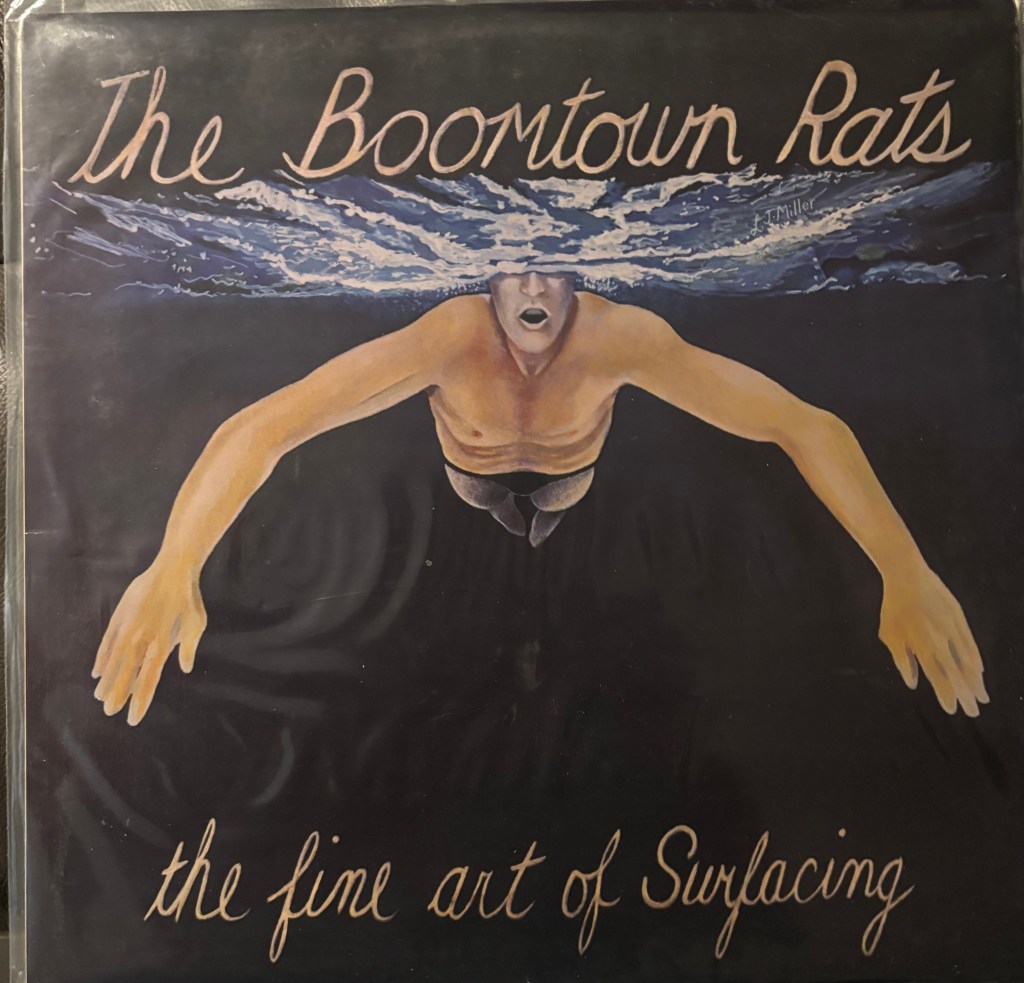
I Don’t Like Mondays by The Boomtown Rats is a tragic story and a powerful song. I don’t think I can do better than Wikipedia.
From Wikipedia:
According to Geldof, he wrote the song after reading a telex report at Georgia State University’s campus radio station, WRAS, on the shooting spree of 16-year-old Brenda Ann Spencer, who fired from her bedroom window at children in a school playground at Grover Cleveland Elementary School in San Diego, California, on 29 January 1979, killing two adults and injuring eight children and one police officer. Spencer showed no remorse for her crime; her explanation for her actions was “I don’t like Mondays. This livens up the day.” Her flippant response attracted media attention and inspired the song. Geldof had been contacted by Steve Jobs to play a gig for Apple, inspiring the opening line about a “silicon chip”. The song was first performed less than a month later.
Geldof explained how he wrote the song:
I was doing a radio interview in Atlanta with Johnnie Fingers and there was a telex machine beside me. I read it as it came out. Not liking Mondays as a reason for doing somebody in is a bit strange. I was thinking about it on the way back to the hotel and I just said ‘silicon chip inside her head had switched to overload.’ I wrote that down. And the journalists interviewing her said, ‘Tell me why?’ It was such a senseless act. It was the perfect senseless act and this was the perfect senseless reason for doing it. So perhaps I wrote the perfect senseless song to illustrate it. It wasn’t an attempt to exploit tragedy.
——————————————————————————————————————————————
Friday on My Mind by The Easybeats
This song is the anthem of the workweek grind and a celebration of the joy of reaching the end of the week: Friday. All week, the singer has Friday on his mind and explodes in joy when Friday finally arrives. The singer then tells us what he is going to do: see his girlfriend, spend his money, and lose his head. Then Monday comes around again, the work week starts over, and his longing for Friday keeps him occupied once more.
——————————————————————————————————————————————
Four Wal-Marts by Baker Maultsby from his album, Bingo=Sin
This song is both hilarious and frighteningly real.
Strip malls on both sides of the street
Asphalt on top of concrete
…
They closed the door on the five and dime
But the west side’s growing like a kudzu vine
…
We’ve got four Wal-Marts
In the tri-county area
An outlet mall
It’s bargain hysteria
We got a HP with a cappuccino machine
An Exxon attached to a Dairy Queen
‘Cause it’s small town, mall town America
——————————————————————————————————————————————
The Suburbs by Arcade Fire
The album’s lyrics are inspired by band members Win and William Butler’s upbringing in The Woodlands, Texas, a suburb of Houston. According to Win Butler, the album “is neither a love letter to nor an indictment of the suburbs – it’s a letter from the suburbs.”
Overall, this album offers windows into the suburbs. I suspect it will resonate more with people in a certain age bracket who grew up having mail delivered to their door or, in small towns, to the post office, which generally was only a few blocks away. I enjoyed writing and mailing letters; it still feels different from sending an email or a note on Facebook. Letters were more personal, they were in our own handwriting, with grammatical and spelling errors included. Writing a letter took time, and that gave us time to think about what we were saying. It wasn’t a note dashed off without much forethought; it contained more substance. Letters often ran several pages, and when I received one, I read every word and kept it in case I wanted to read it again. And then we used to wait. We waited for the return mail. Depending on where you wrote from and where you sent it, letters could take anywhere from days to weeks to arrive. We used to wait. What a wonderful sentiment.
——————————————————————————————————————————————
Downtown by Petula Clark
Lest we get the impression that everything in the urban canyons is doom and gloom, Petula Clark extols downtown’s virtues in this beautiful little song. Clark’s most famous song, it premiered in November 1964 and topped Billboard’s Hot 100 chart. The song made Clark only the second British woman (after Vera Lynn) to have a Number 1 hit in America. British record executives initially met the song with incomprehension, and it was released only after Joe Smith of Warner Bros. heard it and immediately demanded a U.S. release. The song’s success led Clark to record versions in Spanish, French, and Italian quickly. Tony Hatch was inspired to write the song while making his first-ever trip to New York City, recalling for the Wall Street Journal:
I was staying at a hotel on Central Park, and I wandered down to Broadway and to Times Square and, naively, I thought I was downtown… I loved the whole atmosphere there and the [music] came to me very, very quickly
Of the backing arrangement he made for the recording, he said,
I had to connect with young record buyers… but not alienate Pet[ula]’s older core audience… The trick was to make a giant orchestra sound like a rock band.
I believe this song will once again resonate strongly with a certain demographic: people who either lived in a small town where downtown was the only place to gather, or lived in the city and found downtown alluring for the hustle and bustle, neon lights, and movie shows. I look back on those times with fondness.
There used to be a time when downtown was a destination, not a concrete jungle we long to escape. There used to be ample parking, and much of it was free or cost a small amount of coin to drop in a parking meter. Big-box stores like Eaton’s, Sears, and The Bay used to be around. They are all gone now. This song makes me long for the good old days, which probably weren’t all that good, but sentimentally, they are.
——————————————————————————————————————————————
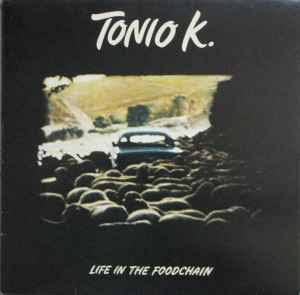
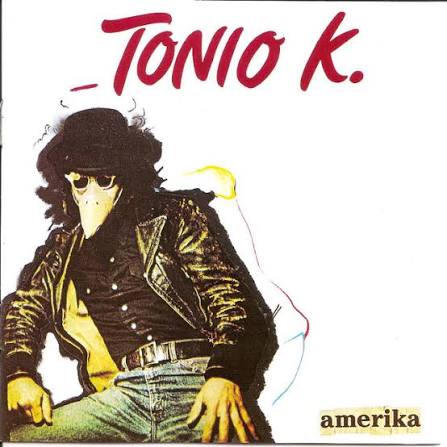
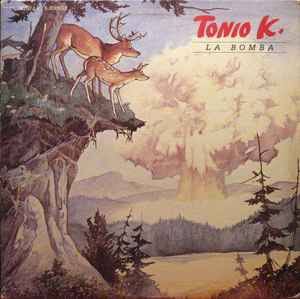
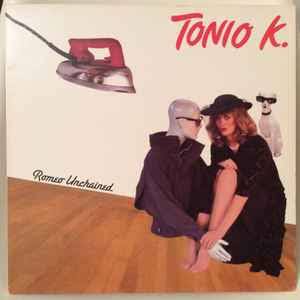
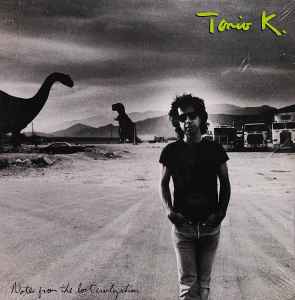
American Love Affair by Tonio K
“New York may be the new world
But she’s still a filthy concrete bitch without a soul”
I can’t think of a more appropriate song to end this blog about living in concrete jungles. We started with “No one is meant to be, living here in a concrete sea” and end up with a “filthy concrete bitch without a soul.”
“It’s an American love affair
It’s an American dream”
Whether we are supposed to be living here or not is irrelevant now. Whether we want to live in a concrete jungle is irrelevant. This is where we are, and we have to make the best of it. So let’s have some fun and sign off with.
“It’s American underwear.
It’s in a washing machine.”