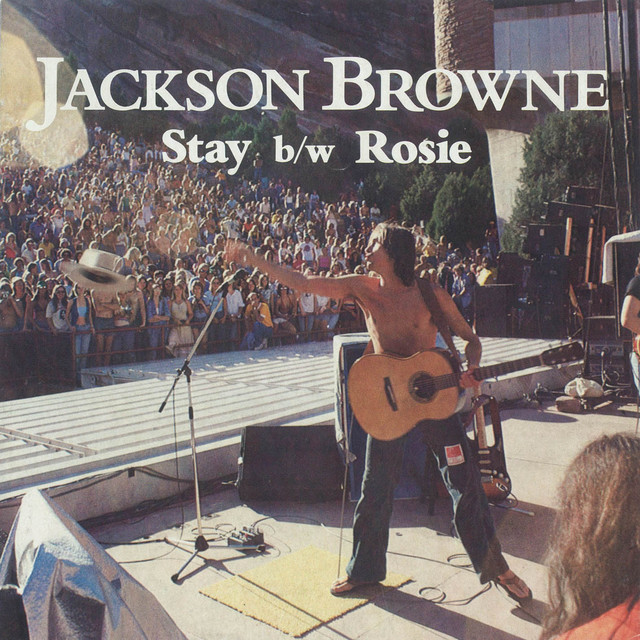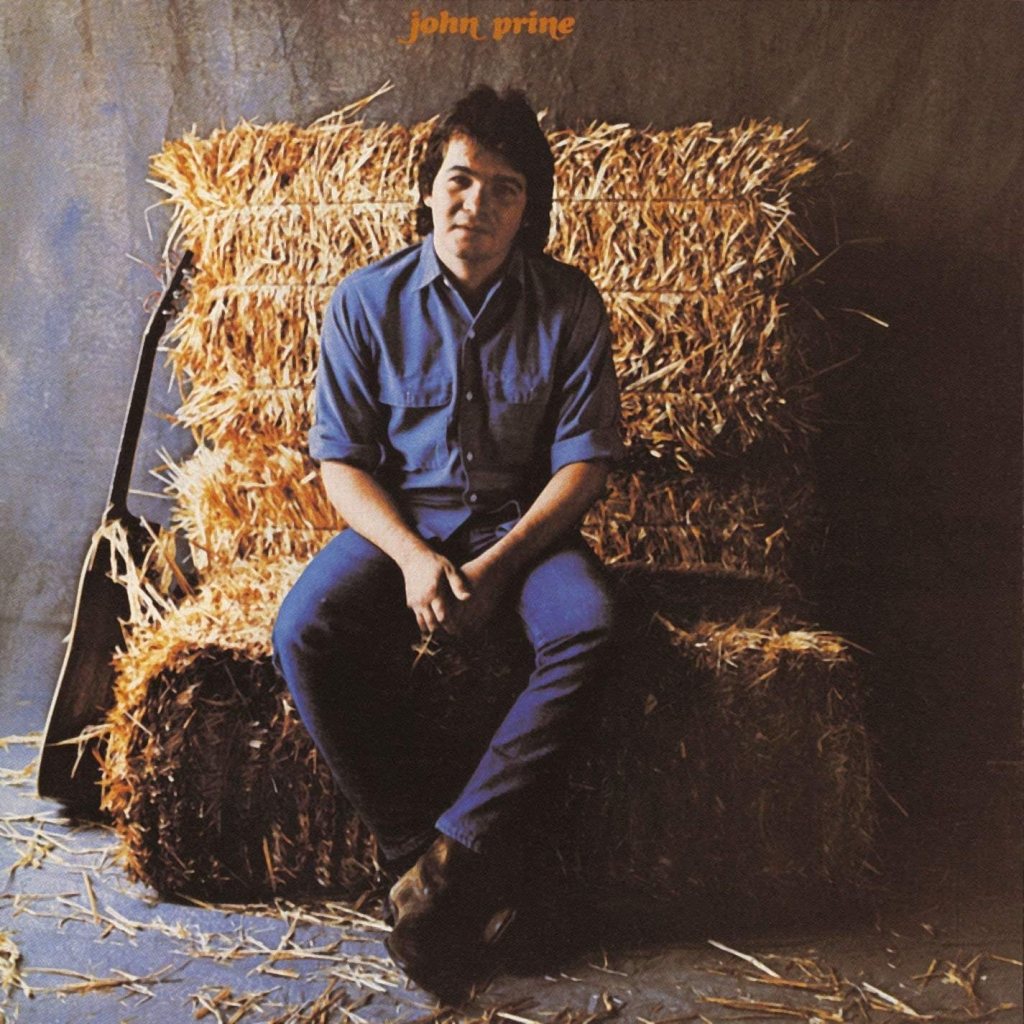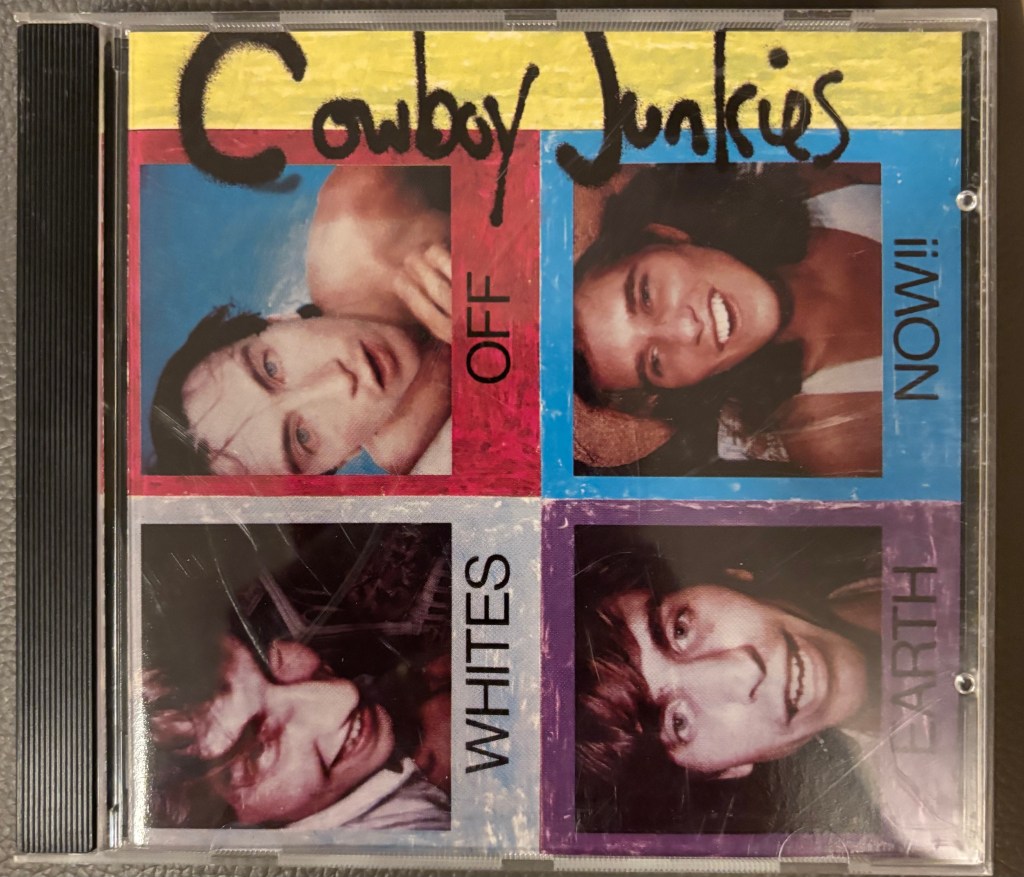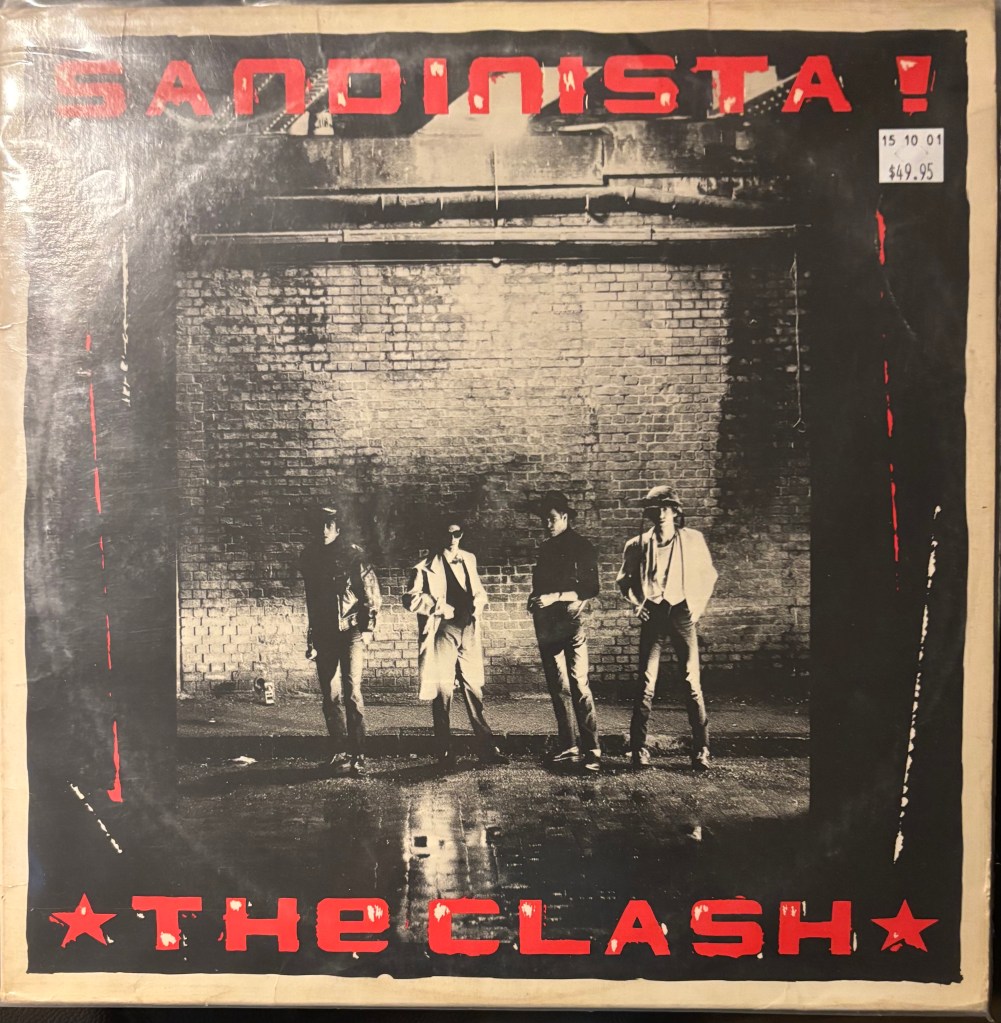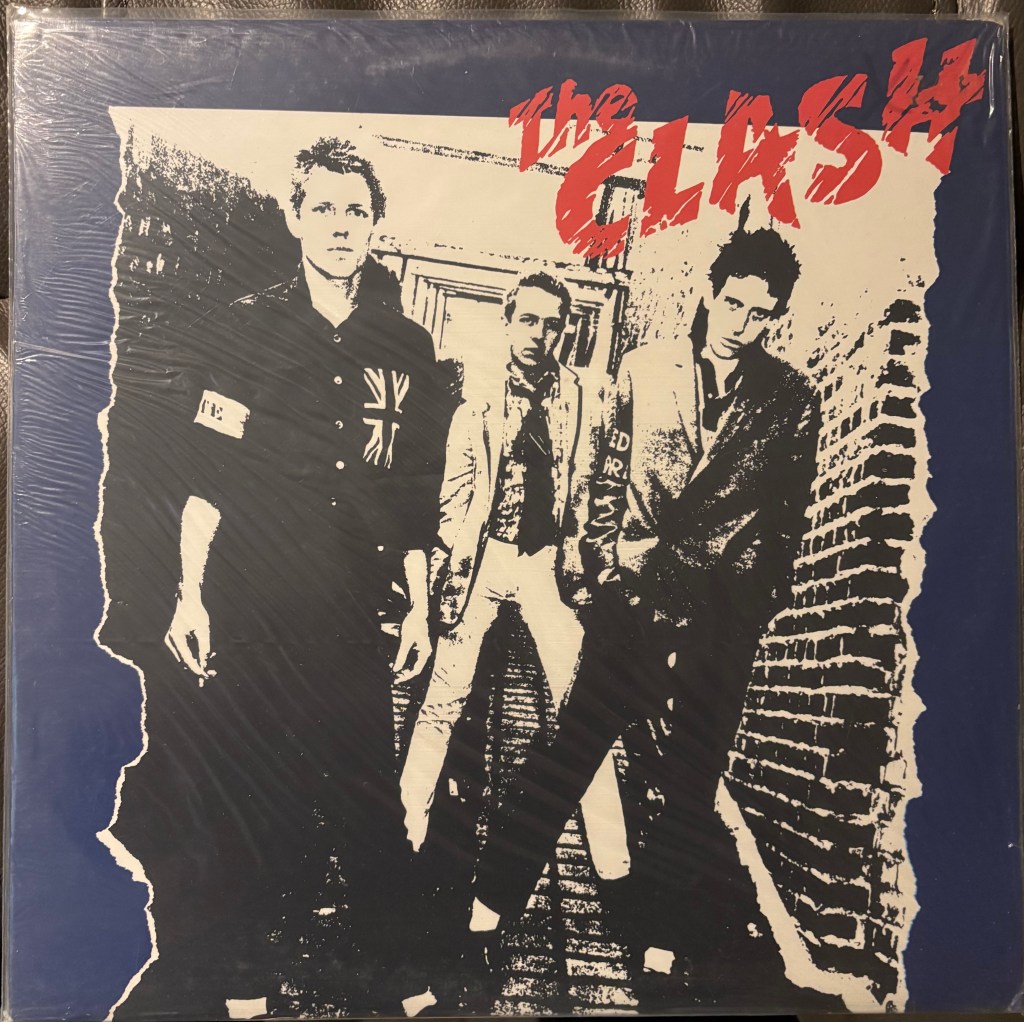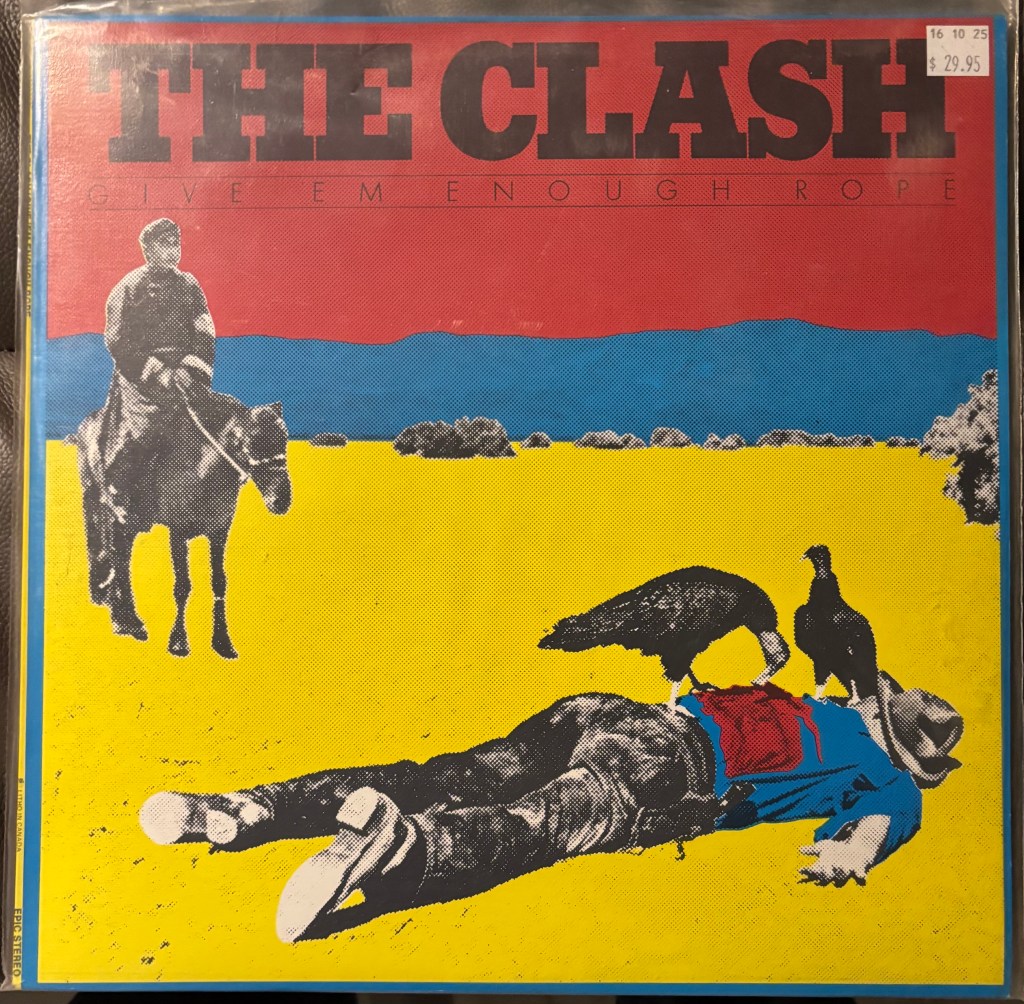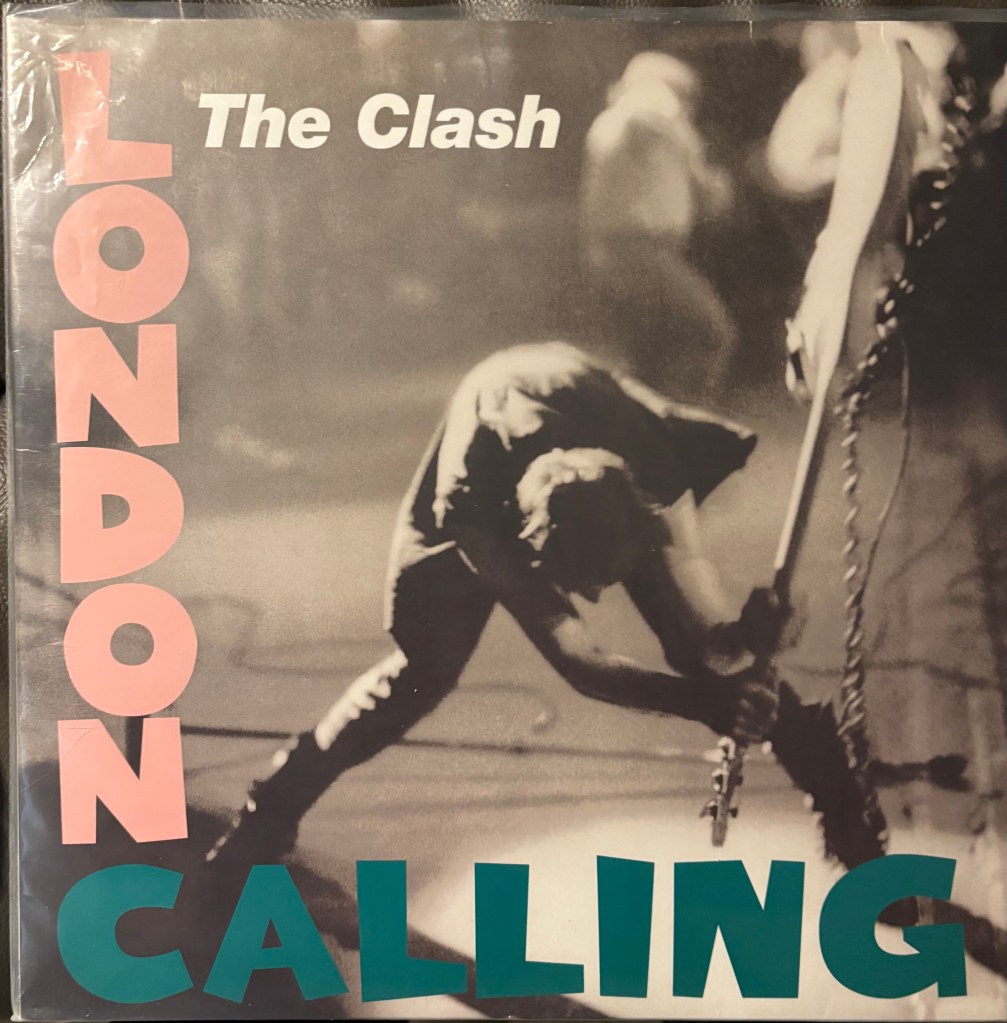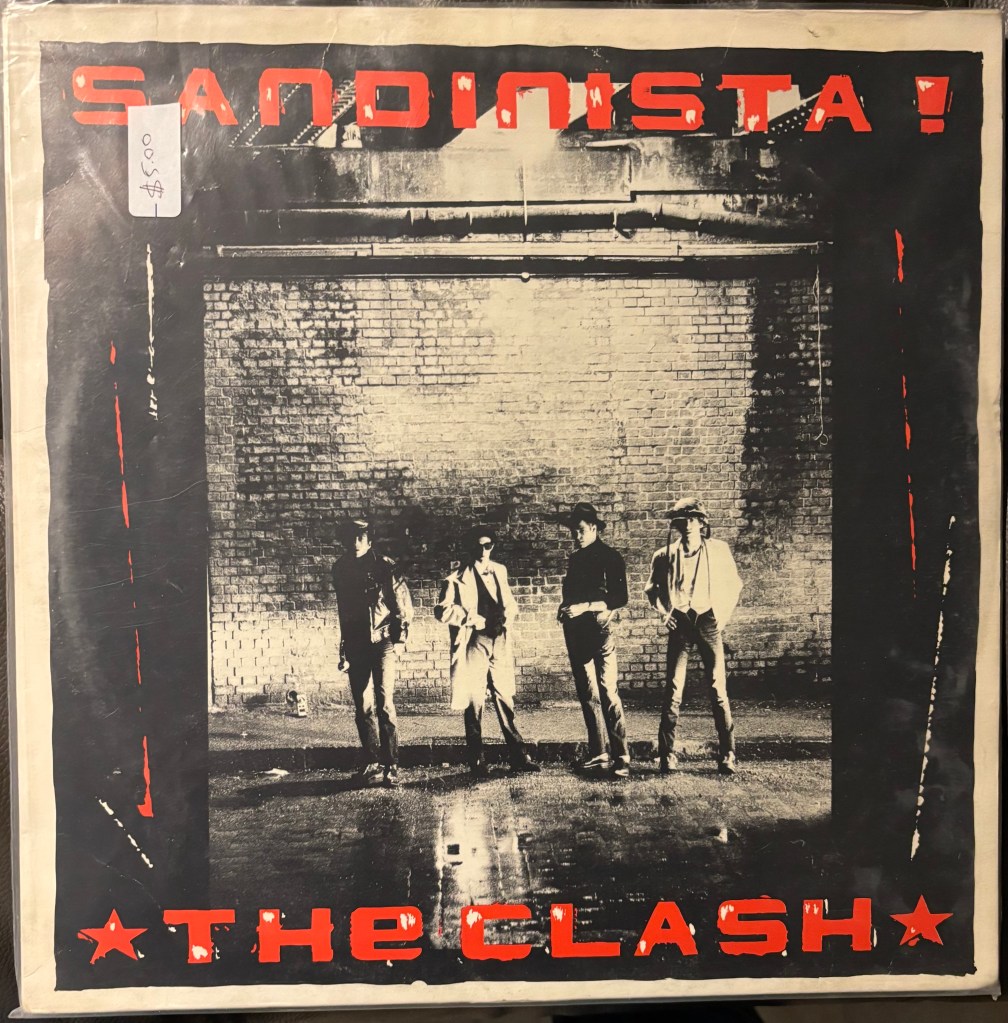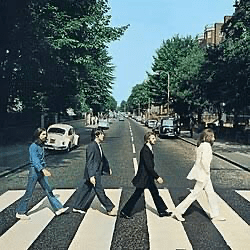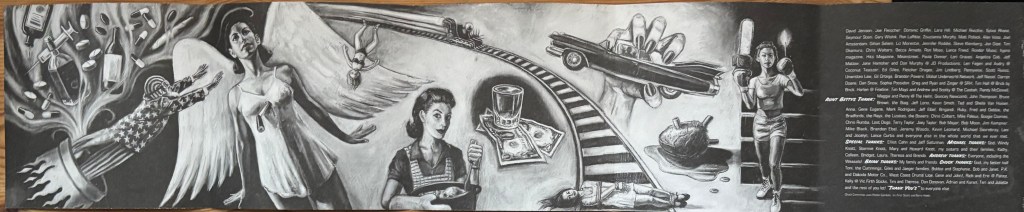

I wasn’t listening to music this week with my usual frequency or attentiveness. I will expand on that in next week’s blog, or the week after. Time will tell. That doesn’t mean I didn’t listen to some good music, because I did. I listened to Martha and the Muffins sing about Echo Beach, a good slice of Canadiana. The Hoodoo Gurus tell us that Mars Needs Guitars. The Rolling Stones cooked up some Goats Head Soup, and John Prine sings about Sweet Revenge. I gave Sandinista from The Clash another good spin; it still has holding power for me. David Allan Coe was a fine listen. I enjoyed re-hearing some of his classic stuff, and “You Never Even Called Me By My Name” is a great song that parodies country and western music with a good old belly laugh. “And In The End,) I listened to The Beatles on Abbey Road, which brings us back to the start and the title of this blog.
This blog is a response to a page on Facebook called “Fans Of Real 80’s CCM.” I was a fan of Contemporary Christian Music for many years and still listen to a narrow bandwidth of artists from that era. There was a lot of good music in that decade, and there are obviously many fans of the gospel music that persists to this day, as evidenced by the comments on the Facebook page.
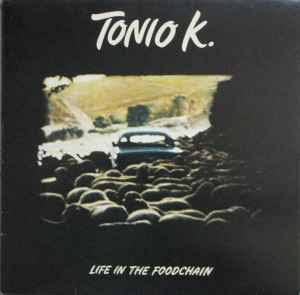
One article sent my musical senses into overdrive. The album of the day was Tonio K‘s “Notes From A Lost Civilization”. I have his first five albums, and his first album, “Life In The Foodchain,” is my go-to from his discography. Steven M. Krikorian aka Tonio K says that “Life In The Foodchain ” and “Notes From A Lost Civilization” are his favourites. It had been a while since I had listened to “Notes From A Lost Civilization,” so I needed a refresher. While I was at it, I decided to go back and listen to all five albums chronologically and comment on the Christianity in the lyrics and some of the philosophy as well. Tonio K’s lyrics are smart, concise, and often oblique. They can make me laugh, turn on a dime, and pause to wonder what the h-e-double-l is going on. He is also a great storyteller; I like that.
“His faith was energized by the Jesus movement, but unlike those who saw that revival as an opportunity to create and hang out in a subculture, Tonio K and his compadres stayed engaged with the wider world with their hope, their faith, and their love stirred honestly and authentically into their work.”
From The True Tunes Podcast: Tonio K. Walks On: Notes From A Lost World – 2023-01-23
So, without further ado, here we go on our little voyage to a lost civilization with some pit stops.
First stop: Life In The Foodchain. In 1978, Tonio K went solo with Life in the Foodchain on Irving Azoff’s Full Moon/Epic label. Adopting the moniker Tonio K., a reference to the writings of Kafka and Thomas Mann, two authors that I have never read. Tonio K was hailed as America’s answer to Britain’s Angry Young Men (Elvis Costello, Joe Jackson, Graham Parker) and the “funniest serious songwriter in America”. Life In The Foodchain was produced by Rob Fraboni (The Band, Bob Dylan, Joe Cocker) and featured a supporting cast that included Earl Slick, Garth Hudson, Dick Dale and Albert Lee.
Track 1: Life In The Foodchain
The closest this song gets to being Christian is in the line about the Catholic dogma of crossing themselves.
“It’s watch your step and cross yourself, And get back in the house.”
Philosophically speaking, there is an element of resignation or defeatism:
“I guess that you’ve finally got to accept That there’s nothing you can do about it”
Christianity teaches that we can improve our lives, so there is something we can do about it. There is prayer, asking God to help, and expecting God’s help, based on the scriptures, that “we can do all things through Christ.”
Track 2: The Funky Western Civilization
This is probably one of my favourite Tonio K songs. There are lots of good ones, so picking a single best song is difficult. The lyrics do mention sinners.
“There’s a sinner bein’ trampled By a thousand pious feet There’s a baby every minute Bein’ born without a chance Now don’t that make you want To jump right up and start to dance?”
I don’t think the congregations or leaders of any mainline church would approve of these lines from the chorus:
“You just grab your partner by the hair Throw her down and leave her there”
And eventually, we have Jesus making a guest appearance.
“They put Jesus on a cross They put a hole in J.F.K They put Hitler in the driver’s seat And looked the other way Now they’ve got poison in the water And the whole world in a trance But just because we’re hypnotized That don’t mean we can’t dance”
It could be postulated that the great unwashed population are hypnotized by church leaders, politicians, etc. But we can still dance, just like on the Titanic. In the song “Amusing Ourselves To Death” by Garth Hewitt, there is a cunning reference to dancing while the ship goes down. “We’ve chosen the path of pleasure even if it kills.” That’s a great album, by the way; it should be in the CCM group on Facebook, even though it was released in 1990.
Back to the lyrics of The Funky Western Civilization:
“And I, I’ve never heard nothing like this in my life Ladies and gentlemen, I don’t know what to make of it Good God almighty Scares me every time I hear it Scares me every time I think about it”
“Good God almighty.” Is that a genuine cry out to the capital G God of the Christian Bible, or is it an expletive? I don’t know, and I don’t have any commentary from Tonio K himself or an uber fan to clarify that statement for us.
Track 3: Willie And The Pigman
This song has zero references to anything spiritual; it is a story song about the mob and unions.
Track 4: The Ballad Of The Night The Clocks All Quit (And The Government Failed)
Again, nothing spiritual other than a vague reference to John the Baptist.
“And John the Baptist and Uncle Sam They was carryin’ the plans for some new kind of object of faith”
Track 5: American Love Affair
This song is a commentary on the American dream. Waylon Jennings offered a great commentary on the American Dream in the song “Luckenbach, Texas” (Back to the Basics of Love). “Four-car garage and we’re still buildin’ on.” Not really spiritual, but a good commentary on human nature and the pursuit of the American Dream, or the American Love Affair.
Track 6: How Come I Can’t See You In My Mirror?
This could be a commentary on ignoring our sinful nature, or it could be a comical song that deserves a place in Dr. Demonto’s playlist. Nothing spiritual, other than the possibility that the vampire could put off some Christians.
Track 7: Better Late Than Never
What we have here is “a long way from Heaven.” A lament on a broken relationship- is it spiritual or not? Depends on which side of the church you sit on; some are ok with divorce, others aren’t.
Track 8: A Lover’s Plea
“Think about all the things that we’ve been through Or think about how a cast would look on you
Don’t you go and break my heart No don’t do it If you do I’ll go crazy Maybe hurt myself Or more significant I might hurt you”
Another relationship is falling apart, and apparently a divorce isn’t in the mix for the singer of this song. A threat of violence isn’t exactly Christian, although some passages in the Old Testament allude or lean hard towards violence as a solution for all kinds of things.
Track 9: H-A-T-R-E-D
I am going to stand back and let these lyrics play out without commentary. If you wish, you can comment on how this is Christian; it eludes me.
“Now I know it’s not unusual It’s nothing so unique There’s probably hundreds of wonderful love affairs That go bad in this town every week It’s a big town, but all of them others Them sad-hearted lovers could cry in their beer What the hey, it didn’t concern me Was none of my business I never had nothin’ to say But suddenly darlin’ the table has turned You have left me for somebody new And now it’s hard to express the resentment I feel For the years that I’ve wasted on you But let me kind of put this another way Okay? Eins, zwei, drei, vier!
[Verse 1] I know it’s not unusual It’s nothing so unique There’s probably hundreds of wonderful love affairs That go bad in this town every week
But all of them others, them sad-hearted lovers Could cry in their beer, what the hey It didn’t concern me, was none of my business I never had nothin’ to say But suddenly darlin’ the table has turned You have left me for somebody new And now it’s hard to express the resentment I feel For the years that I’ve pissed away on you
[Chorus] I’m full of H-A-T-R-E-D I’m bitter and malign You’ve got me P-I-S-S-E-D off I’m angry most of the time Why don’t you G-O T-O H-E-double-L You tramp You philandering bitch I’m going to K-I-L-L one of us baby Give me time and I’ll decide on which But wait a minute
[Verse 2] And I know I’m acting immature I’m acting like a child I should display some self-control Instead of going wild like this And I wish I could accept all this As simply “life” which includes pain And act upon the actual fact That nobody’s to blame Yes I wish I was as mellow As for instance Jackson Browne But “Fountain of Sorrow” my ass motherfucker I hope you wind up in the ground I’m so full of
[Chorus] H-A-T-R-E-D I’m bitter and malign You’ve got me P-I-S-S-E-D off I’m angry most of the time Why don’t you G-O T-O H-E-double-L You tramp You philandering bitch I’m going to K-I-L-L one of us baby When I’m sober I’ll decide on which
I’m full of H-A-T-R-E-D I’m bitter, I’m maligned You’ve got me P-I-S-S-E-D off You know I’m angry most of the time Why don’t you G-O T-O H-E-double-L You tramp You bitch I’m going to K-I-L-L one of us baby Give me time I’ll decide on which
[Outro] I’m full of H-A-T-R-E-D Why don’t you G-O T-O H-E-double-L You tramp You philandering bitch I’m going to K-I-L-L one of us baby Give me time and I’ll decide on which
H-A-T-R-E-D What’s that spell? What’s that spell? What’s that spell? But then again, maybe with the proper counselling we can work this out”
And that concludes my commentary on Tonio K’s first album Life In The Foodchain.
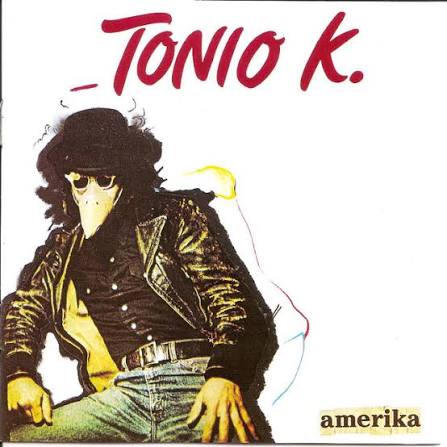
Now we move on to Tonio K’s second album, Amerika, released in 1980 via Clive Davis’s Arista Records. Filled with literary and political references, the album was hailed as “punk for academics,” and once again Simels from Stereo Review called it “the greatest record ever recorded.”
Track 1: Amerika
Nothing spiritual about this song. It has lots of tongue-in-cheek lyrics about the state of the world in 1980; it hasn’t changed much by 2016.
Track 2: Say Goodbye
Some lyrics in Say Goodbye allude to faith.
“everybody say a prayer for the age of innocence everybody say a prayer for the days gone by it’s a sin and it’s a shame but those days will not come again blow a kiss and dry your eyes say goodbye”
There is an element of resignation or defeatism similar to those in “Life In The Food Chain.” Tonio K throws in an accusation that could be applied to anyone in leadership, political or spiritual.
“they confuse and they tangle the truth up with fast talk and promises they abuse and abandon each other outside on the street yeah the signs are everywhere only no one even cares this paradise is dying say goodbye”
Track 3: Sons Of The Revolution
Political commentary.
Track 4: Go Away
Risque song about a failed relationship.
“Oh you’re a spicy little number But your mind’s between your legs”
Track 5: Cinderella’s Baby
I think these are more political/state-of-the-world lyrics.
Track 6: Trouble
We finally get some lyrics that have a smattering of Christianity.
“I can’t believe it Everywhere trouble (trouble) It’s right out of the book of Revelation Trouble (trouble) Why don’t you read it, read all about it Trouble (trouble)”
Those lines aren’t exactly an endorsement for the Christian faith; it’s all trouble. The song Trouble has more commentary on the state of America than the state of our souls.
“Are you men associated with the American army No we’re not associated with anybody”
Track 7: Girl Crazy
Nothing Christian here.
Track 8: I’ll Buy It
Nothing Christian here either.
Track 9: The Night Fast Rodney Want Crazy
A story song, but not a Bible story.
Track 10: Merzsuite: Let Us Join Together in a Tune/Umore/Futt Futt Futt/Umore
I don’t entirely know what Tonio K is trying to say in this song, but it is not a Bible lesson.
At the end of this album, there is precious little related to Christianity.
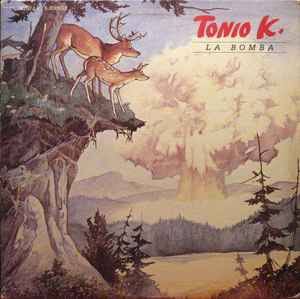
La Bomba was Tonio K’s next release. Capitol Records released it in 1982 as a 12-inch EP. Recorded as a live-in-the-studio album produced by Carter (Motels, Tina Turner, Paula Cole). Recorded in Capitol Studio B, it featured K.’s touring band: George “Geo” Conner (guitar), Alfredo Acosta Alwag (drums), and Enrique “Eric” Gotthelf (bass). The song “Mars Needs Women” also appears on the EP; a few years later, Hoodoo Gurus released an album with the song “Mars Needs Guitars,” a reference to the 1967 science fiction film “Mars Needs Women.” I enjoy random facts like that. And once again pronounced by Simels to be “the greatest record ever recorded”
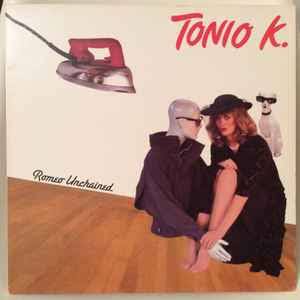
Tonio K next released Romeo Unchained on What?/A&M Records. What? Records was a short-lived record label started by Word Records and A&M Records, intended to focus on creative and unusual rock and roll records with spiritual messages. The intention was to feature Christian Rock artists that “wouldn’t be too obvious” about their faith. It was founded in 1986. Its first release was Tonio K.’s Romeo Unchained. In my opinion, it was on Romeo Unchained that Tonio K. got labelled as a “Christian” artist.
In the short time that the label existed, it released albums by Mark Heard (under the name of iDEoLA), Tonio K. (two albums, the second of which was produced by T-Bone Burnett), and Chagall Guevara’s Dave Perkins. I love the music of all the artists mentioned above. Mark Heard is the most “Christian” in their lyrics; it is not my place to judge their faith.
Hailed by Rolling Stone magazine as “the best Bob Dylan album since Dylan himself lost interest in the pop song form,” Romeo Unchained landed on numerous critics’ top 10 albums of the year lists. Simels once again called it “the greatest record ever recorded.” Recorded in 1985 and 1986, it was produced by Rick Neigher, Bob Rose, and T Bone Burnett. The musicians on these recordings included Neigher (on many instruments), Rose, Burnett, Peter Banks, David Mansfield, David Miner, David Raven, Tim Pierce,Tim Chandler, and Rob Watson.
Track 1: True Confessions
True Confessions starts with some Biblical references:
“It’s a jungle out there Used to be a garden But the times got tough And now all those innocent hearts have hardened You got Cain and Abel You got Jack and Jill They’re out looking for love, love, love On a Saturday night in a Coup de Ville”
And it stops there. I wonder if the title references confessing our sins?
Track 2: Perfect World
Zero Biblical or spiritual lines in this song, just a longing for a perfect world and lamentations on the fact that the world we live in is far from perfect.
Track 3: Romeo and Jane
The words “they have fallen east of Eden” are the closest Romeo and Jane get to a perfect world.
Track 4: You Belong With Me
A love song with very little in the way of theology, but I love the line “what passes for love on the streets these days is a joke.”
Track 5: Impressed
Finally, we get something straight out of the Bible.
“’Cause love is gentle love is kind Doesn’t poison baby’s wine Isn’t jealous or provoked Doesn’t quit or give up hope”
1 Corinthians 13:4–7
These words are used in as many weddings as the line “I do.”
Track 6: I Handle Snakes
“They will pick up snakes with their hands; and when they drink deadly poison, it will not hurt them at all; they will place their hands on sick people, and they will get well.” – Mark 16:18
Over the last 100 years, about 100 church leaders have died from snake bites in the USA. That puts a damper on their theology about not getting hurt from snakes or poison.
I feel like Tonio K is singing this song more in jest than condemnation; the fact that so many die is the condemnation part. Is this song “Christian?” I suppose so, but:
“But I don’t say hallelujah I don’t even say grace I make my statement I say it with snakes”
“The theological treatise, “I Handle Snakes”, was written and recorded in mid-1980. Thematically, it has nothing to do with the other songs on, or intent of, the record. It is included here only at the insistence of certain A&R, managerial, and media folk. They know who they are, you decide what you think.” K. – from the Romeo Unchained liner notes
Track 7: Emotional War Games
“Lord teach me patience, show me a way Teach us forgiveness before it’s too late Because I want my baby and she wants me too But if we don’t stop fighting, Lord, we’re all through.”
A cry to the Lord for help, to learn patience and forgiveness. Two tough lessons that I am still working on.
Track 8: Living Doll
This is a weird song. The lyrics brought Shirley Temple to mind, who was a living doll in many aspects.
No spiritual references to be found in this song.
Track 9: You Don’t Belong Here
Nothing from the Bible in this song other than saying a prayer for someone to leave soon.
Track 10: You Will Go Free
The album Romeo Unchained closes with some good Bible teaching, including the famous phrase “the truth will set you free,” from John 8:32, where Jesus says, “Then you will know the truth, and the truth will set you free.”
Is Romeo Unchained a “Christian” album? I don’t think so. I hear it as a good lyricist who uses some Biblicalreferences to bolster the story. It is a good record, but don’t expect any of these songs to appear in your church on Sunday morning.
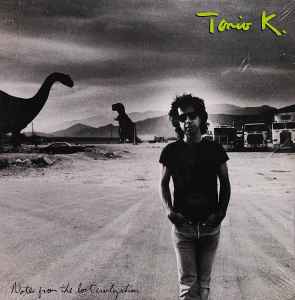
Notes From The Lost Civilization is our closing album and the star attraction of this blog.
Notes from the Lost Civilization, again on What?/A&M, followed in 1988. It was concurrently released on the Wordlabel, a gospel/Christian music subsidiary of A&M; the Word version of the release did not include the song “What Women Want” (presumably for the lyric “they want sex, yeah that’s true,” although the point of the song is that women want love). Produced by Tonio K. and David Miner, with T Bone Burnett serving as executive producer, the all-star cast of supporting musicians included Burnett, Booker T. Jones on Hammond B-3, Jim Keltner,Raymond Poundsand Alex Acuña on drums and percussion, James Jamerson, Jr.and David Miner on bass, and Charlie Sexton and Jack Sherman on additional guitars. The video for the single, “Without Love“, marked Tonio’s first airplay on MTV.
Track 1: Without Love
Immediately before the love scripture in the song Impress, these verses are about being without love.
1 Corinthians 13:1–3 (NIV): “If I speak in the tongues of men or of angels, but do not have love, I am only a resounding gong or a clanging cymbal. If I have the gift of prophecy… but do not have love, I am nothing. If I give all I possess to the poor… but do not have love, I gain nothing.“
Tonio K goes through a laundry list of things that mean nothing without love.
Track 2: Children’s Crusade
There have been two historical children’s crusades. The first one was the Medieval Children’s Crusade of 1212. Thousands of young people and poor peasants set out to peacefully march to the Holy Land and recover Jerusalemafter adult-led crusades had stalled. Unfortunately, they were ill-equipped, suffered from a lack of provisions, and the crusade ended before it reached the Holy Land. Many questions remain about what really happened. Although it is called the Children’s Crusade, Pope Innocent III never approved it as an official crusade. The traditional narrative likely conflates historical and mythical events, including the preaching of visions by a French boy and a German boy, and an intention to convert Muslims in the Holy Land to Christianity peacefully.
The second was the Birmingham Children’s Crusade of 1963, in which over 1000 schoolchildren went to 16th Street Baptist Church in Birmingham, Alabama, to march peacefully against racial segregation. Public Safety Commissioner of Birmingham, Alabama, Bull Connor met the children with high-pressure fire hoses and attack dogs, generating global outrage. The shocking media coverage forced federal intervention, heavily influenced President John F. Kennedy’s support for civil rights legislation, and paved the way for the Civil Rights Act of 1964. It was far more successful than the 1212 crusade.
Back to the present, what does all of this have to do with the Tonio K song titled Children’s Crusade? I don’t have the foggiest idea.
Track 3: Stay
More lamentations about broken hearts.
Track 4: City Life
A love song from Tonio K to his home city, warts and all.
Track 5: You Were There
This is the most Christian song so far. It covers a lot of ground, starting with Eden, fittingly.
“[Chorus] And you were there waiting for me You shined the light when I couldn’t see I stood at the gate like a stranger And you were there waiting for me”
Track 6: The Executioners Song
I don’t know what this song is about.
Track 7: I Can’t Stand It
In this song, I discern a jab at the televangelist preachers.
“I heard about a new religion Where the money talks And the women scream And the people worship the wildest things”
Track 8: What Women Want
This is the song Word Records wouldn’t put on their version of the album because of the lyric that uses the word sex. The funny thing is that the song adds an emphatic “but,” then goes on to say that women want love among other things.
Track 9: I Can’t Stop
I like this song on many levels. I used to work in an addiction recovery program, and one of my little sayings was: “If you make a mess, clean it up. If you see a mess, clean it up. If you are a mess, come and talk to me.”
“Got my personal story Got the six o’clock news It’s all driving me crazy”
This brought to mind the great Larry Norman song, “I Am The Six O’clock News.” A hard-hitting commentary on war-mongering by an amazing Christian musician. I don’t have to do a blog about whether or not Larry Norman makes “Christian” music; he shoves it in your face. Unfortunately, a lot of churches didn’t like his edgy lyrics, and he became trapped in a genre that is too religious for mainstream music and too mainstream for churches.
Back to Tonio K’s song. I really like this chorus.
I I can’t stop I can’t stop thinking I can’t stop thinking about you
Track 10: Where Is That Place
This song is perfect for the age of Trumpism. I’m doing the whole song in one dump.
[Verse 1] It used to be the teacher’s favorite country It used to be the showplace of the west Everything worked and everyone smiled It used to be another word for the best
[Chorus] Where is that place? Where did it go? Whatever happened to that place? God only knows That isn’t it over there and this isn’t it here Now how did a place that big just disappear?
[Verse 2] You could see it in the distance across the desert You could see it from a hundred miles away It glowed in the dark, it lit up the world It seemed as if the sun shined night and day
[Chorus] Where is that place? Where did it go? Whatever happened to that place? God only knows That isn’t it over there and this isn’t it here Now how did a place that big just disappear?
[Bridge] They dealt in fantasy and fashion They dealt in flesh and blood Multiple millions of dollars You could buy anything but love
[Chorus] Where is that place? Where did it go? Whatever happened to that place? God only knows That isn’t it over there and this isn’t it here Now how can a place that big just disappear?
Where is that place? Where did it go? Whatever happened to that place? God only knows That isn’t it over there and this isn’t it here So how can a place that big just disappear?
Where that place is a darn good question; God only knows, and that is a fitting close to our blog.
I set out some four thousand words ago to examine Tonio K’s music and specifically his album Notes From A Lost Civilization, to see whether it is Christian music or not. I lean towards saying maybe. Tonio K has stated that he believes there is a God. It seems to me that he would fall into the group of believers that only congregate for weddings and funerals. Or maybe even a CEO, Christmas and Easter Only. It is not my place to judge another person’s faith; if there is a God, that is his job, not mine. What I can do, however, is to listen to the songs of others and see if they sound like gospel music to me, or not. There are certainly moments in Tonio K’s discography that lean hard into Christian music, but there are also moments that lean hard away from the Christian genre. The bottom line for me is this: I enjoy his music and will keep listening to it whenever the urge hits me. I don’t sit and think about his theology; I take the music at face value and enjoy listening to it.
I finished reading James Acaster’s new book, Perfect Sound Whatever. I know James from the BBC & YouTube, where he is a regular guest on panel shows and solo stand-up comedy appearances. I bought this book expecting some good laughs; that didn’t happen. There are moments of humour scattered through the book, delivered in classic James Acaster deadpan style. The heart of the book is not about humorous events in his life; it is about his life and his relationship with music and people through one specific year, 2016, with a few bits from other years.
For those who know me, it is no secret that I am passionate about music. I listen to music, a lot of music. James Acaster listens to a lot of music as well, and our tastes overlap a surprising number of times considering our age gap; he is 41, I am 71. In this book, James walks us through a year in his life and the music he listens to during that year and beyond. He makes the bold statement that 2016 was the Greatest Year of All Time. GYoAT? The Greatest (Year) Of All Time, GOAT? Specifically, James asserts that 2016 was the greatest year in music of all time, and he walks us through all the music he listened to that year, with short album reviews along the way.
James includes a calendar at the end of the book with an album for each day of the leap year, 366 albums. He also includes an appendage because he listened to a lot more than just those 366 albums.
I loved the book and plowed through it way too fast. I will have to revisit the reviews at a more pedestrian pace, giving myself time to listen to the music, perhaps not all 366, but samples of them all and deeper listens for ones that catch my ear, or his synopsis resonates with me. This will not be a year-long process, hopefully, but I do intend to listen to some music from 2016 that is new to me. I have already listened to or owned several of the albums listed and have listened to several of the albums that James Acaster listened to from his 2016 list.
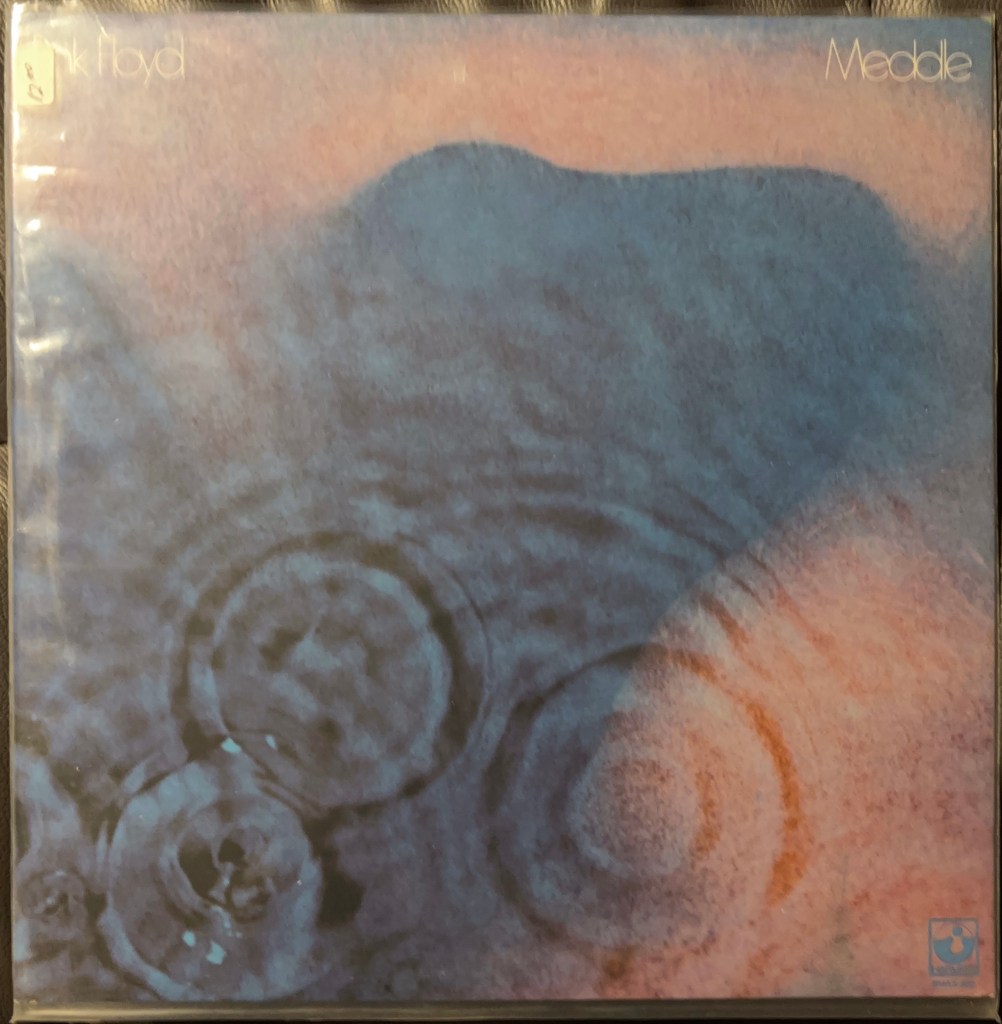
Pink Floyd
Meddle
Joe Cocker
Gold
Mal Devisa
Kiid
George Harrison
All Things Must Pass
Zeal & Ardor
Zeal and Ardor
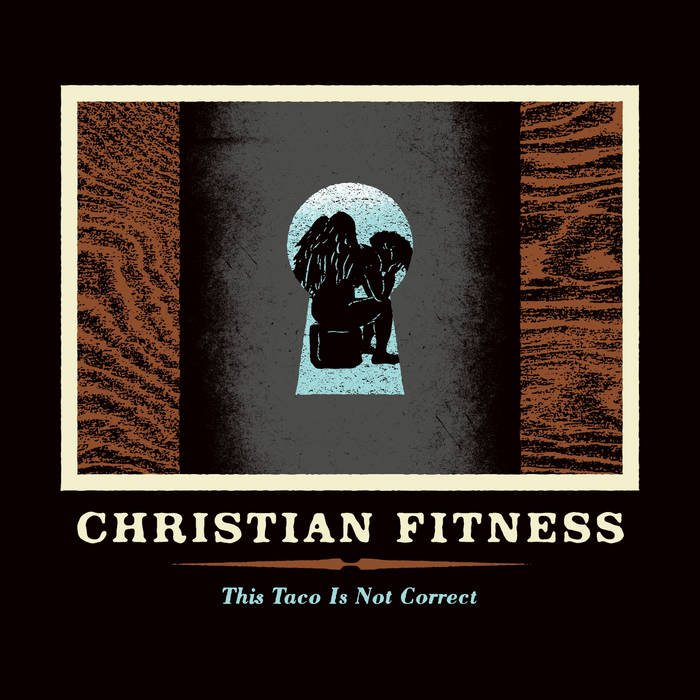
Christian Fitness
This Taco Is Not Correct
Jeff Beck
Truth
As seen above, I listened to more than just James Acaster’s albums; I know they aren’t his albums, but you know what I mean. I also listened to some good older tunes.
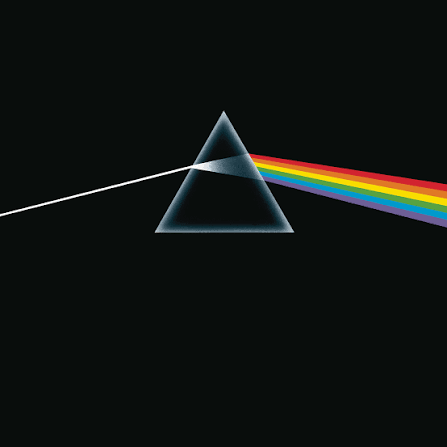
Pink Floyd are one of my top bands to listen to. I can go through their entire catalogue up to a certain point, and then it loses its appeal. The turning point is The Wall. The Wall is still listenable, but I find my mind wandering as I listen; it doesn’t hold me as much as their earlier material. On the other hand, I can listen to Meddle several times a year. With The Wall, once a year is enough. I think that may be an incendiary statement to some, who will strongly defend The Wall. I would posit, however, that they perhaps don’t have the career-spanning experience that I have had with Pink Floyd. I am of the opinion that a lot of younger fans are only familiar with the DSotM to The Wall period in the Pink Floyd discography.
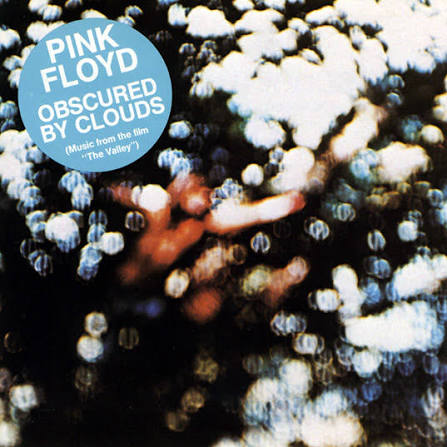
Meddle is the sixth studio album by Pink Floyd and is separated from DS0tM by only one album, Obscured By Clouds, which was written as a soundtrack, not a stand-alone studio album. Meddle is significant in the timeline of Pink Floyd because it is the fulcrum that moved the band away from the Syd Barrett era into the Gilmour,Mason, Waters, Wright era. On Meddle, the song composition was a group effort, whereas Waters would dominate the lyrics in future albums.
The band started using more studio effects on Meddle, effects that would show up frequently in later albums. It is easy to hear the influence of Meddle as a precursor to DSotM, and influence that had a ripple effect through the remainder of their catalogue, with the possible exception of their last four albums, Final Cut, Momentary Lapse of Reason, Division Bell, and Endless River. The Final Cut is the last Pink Floyd album to feature founding member Roger Waters, who left the band in 1985. It is the only Pink Floyd album without founding member and keyboardist Richard Wright, who had left the band under pressure from Waters after the Wall sessions.
Back to Meddle for a moment. The album opens with One of These Days, which is mostly instrumental, with a howling wind followed by a thundering bass line for a few measures, then the other instruments. It is a great intro because of the pounding bass throughout, including the bass drum and keyboards. Gilmour noodles on guitar throughout, tying the song together. The band fill side one with four more tracks that offer some contrast from the cohesive structure of future Pink Floyd albums. Side two of Meddle is the epic Echoes, 231⁄2 minutes long. Echoes was used by different members of the band through their solo careers and is considered by many to be the definitive transition point from the little-known band with an avid cultish following to a mainstream band. It is considered by many to be one of the band’s best cuts. Several publications have remarked on it as one of the best songs by the group. Pink Floyd themselves have mixed views of the track, but it was a particular favourite of Richard Wright’s.
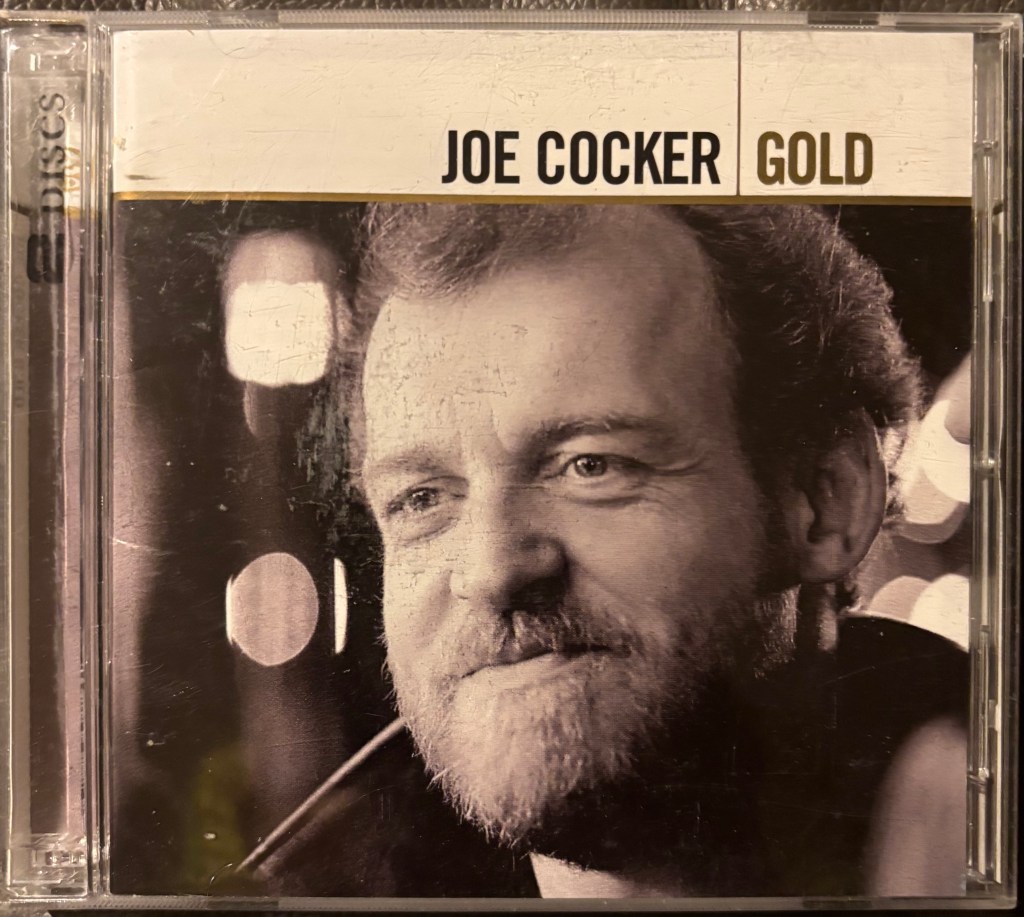
Joe CockerGold was a thrift store find that made a good listen for the drive home. It is loaded with top ten hits and sing-along songs.
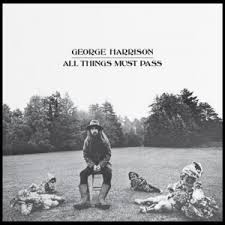
I don’t think I had ever sat down and listened to All Things Must Pass start to finish. I was, of course, familiar with his radio-friendly hit singles “My Sweet Lord” and “What Is Life“. I can’t say that listening to the album start to finish caused me to jump up and run to Record Collectors Paradise to buy a copy. While I worked in the store’s warehouse, we sorted plenty of copies of the album, and most of the covers were in tatters, with vinyl condition that hovered around VG. I’ll have to revisit this album sometime in the future, perhaps even on physical format if I can find a good one at the right price. Music prices have gone through the roof!
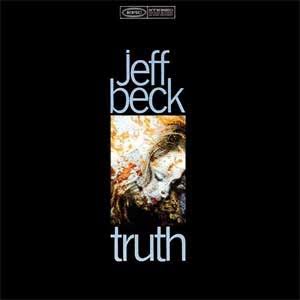
I have long admired the guitar virtuoso Jeff Beck, and I have several physical copies of his music that I revisit periodically. My favourite is Jeff Beck with the Jan Hammer Group Live. I had read someone praising the Jeff Beck album Truth, which I had not heard, so I gave it a spin. Truth is Jeff Beck’s debut album and features a stellar lineup of musicians. The core members of The Jeff Beck Group on this and most of his early albums were Rod Stewart on vocals and Ronnie Wood on guitar. Additional cast included:
John Paul Jones – bass guitar on “Hi Ho Silver Lining” and “Beck’s Bolero”; Hammond organ on “Ol’ Man River” and “You Shook Me”; arrangements on “Hi Ho Silver Lining”
Nicky Hopkins – piano on “Morning Dew”, “You Shook Me”, “Beck’s Bolero” and “Blues Deluxe”
Keith Moon (credited as “You Know Who”) – drums on “Beck’s Bolero”; timpani on “Ol’ Man River”
Madeline Bell – backing vocals on “I’ve Been Drinking”
John Carter and Ken Lewis – backing vocals on “Tallyman”
Clem Cattini – drums on “Hi Ho Silver Lining”
Aynsley Dunbar – drums on “Tallyman” and “Rock My Plimsoul (single version).”
Jimmy Page – 12-string Fender Electric XII guitar on “Beck’s Bolero
An impressive assortment of musicians that make an enjoyable album. I will add this to my already too long want list.
One of the albums that James Acaster talked about was Kiids by Mal Devisa. I was hooked on this album after the first song and basked in the rest of it. On the album Kiid, Mal opens with a simple ballad of her voice and a guitar, Fire. She has a good voice that carries the emotion of the lyrics well. Then, in the last 30 seconds of the track, the gentle acoustic guitar transforms into a hard rocker with a scream in the background and a harder edge to Mal’s voice. The second track, In My Neighbourhood, opens with a delicious bass line. I won’t go into detail on each track, but suffice to say that this whole album deserves more than one listen, and it deserves to be more than background noise; it demands paying attention and asking yourself what is going on both lyrically and instrumentally. I have lost count of how many times I have listened to Kiid; suffice to say that it will be an end-of-year candidate.
Zeal and Ardor is another of James Acaster’s picks. He listened to their album Devil is Fine, which was quite enjoyable. It wanders between blues, black gospel and industrial metal. I don’t know if I will listen to their music again; it is good, but I confess that I don’t listen to much doom/industrial/metal music—a bit of an acquired taste on this album. Interesting lyrics, I will add. Don’t give up on the album after hearing only one or two tracks; it is much more diverse than those two songs. There are touches of blues, a smattering of black gospel and even what sounds like a harpsichord in their songs. Diverse and challenging, in a good way.
This Taco Is Not Correct is a great album title; it caught my attention and made me curious to find out what the heck is going on. The band name is also interesting: Christian Fitness. I want a physical copy, unfortunatly they are sold out. It is still a good listen streaming; I’m just old school and like vinyl. I have spun this album around a couple of times, and I keep hearing it differently each time. I like that. I don’t want to miss anything, so I have to focus and listen intentionally. The music is all over the place when it comes to genre. It could be alternative rock, indie rock, garage, metal, or even noise rock. I don’t care what label it gets; I like the music.
So, there we have it, another week of great tunes. I look forward to next week and another batch of new (to me) music and some old favourites.
It has been a rather slow week musically. I am still reading the Pink Floyd book, A Saucerful of Secrets: The Pink Floyd Odyssey by Nicholas Schaffner, and listening to the albums as I travel through the band’s timeline. I made it up to Meddle this week twice. I consider it an album that should get more respect than it does. Meddle sits at the doorstep to Dark Side of the Moon, and you can hear the band developing in that direction. I liked it enough to listen to it again.
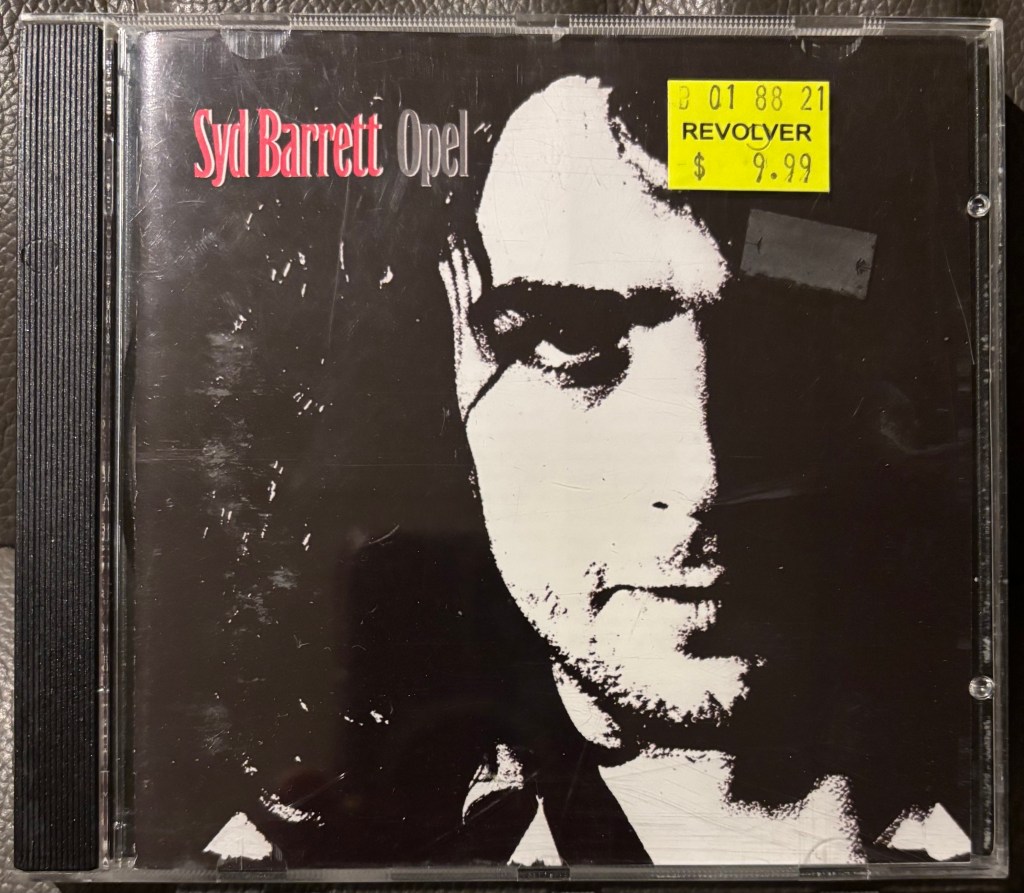
Syd Barrett’s solo album Opel is not a fun listen; it is, in fact, rather painful. I do not recommend listening to it unless you do it purely for historical research.
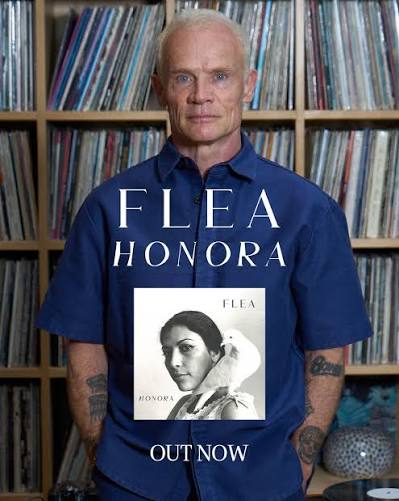
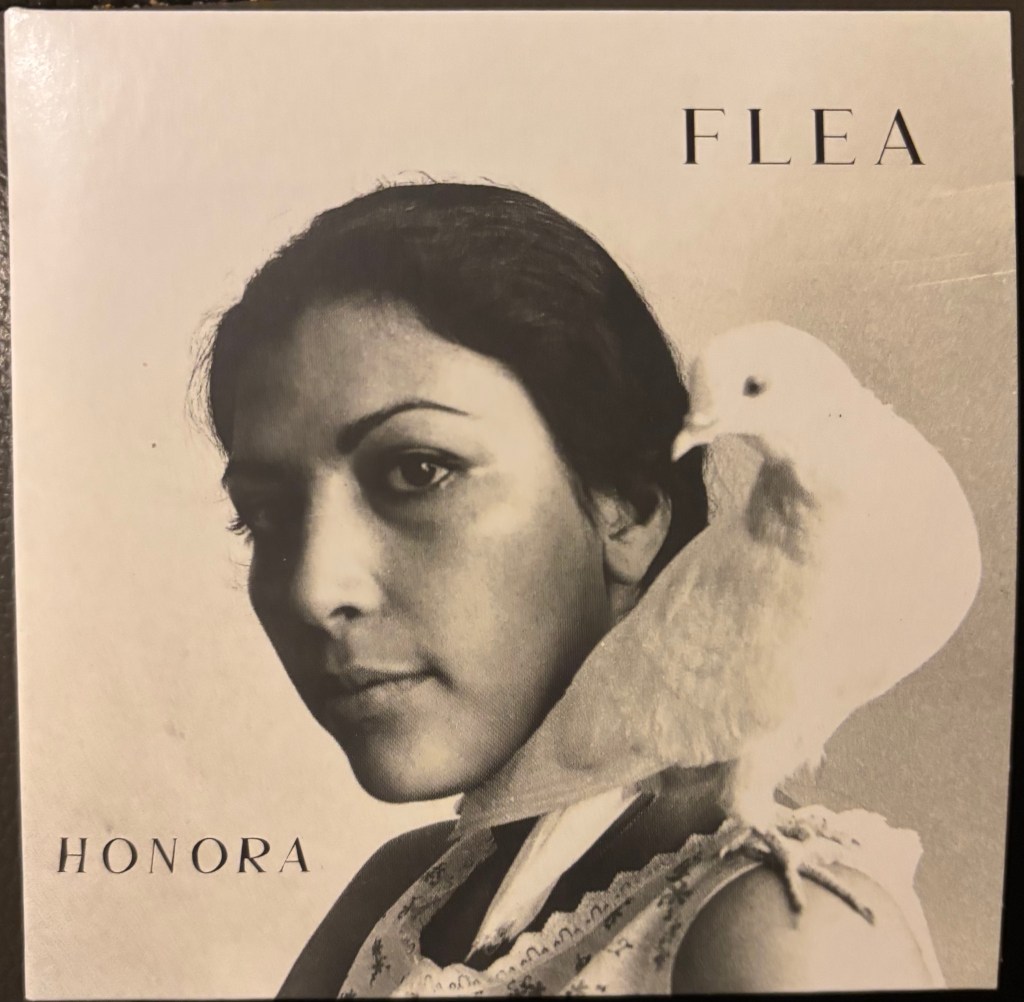
I bought the album Honora by Flea, the bass player of Red Hot Chilli Peppers, and listened to it back to back when I got home. I had listened to it upteen times on YouTube Music, but had to get a physical copy to play on the big stereo. It is an amazing album that will easily make it to my end-of-year round-up. On Honora, Flea steps back from the rock and roll of RHCPs and his many collaborations to focus on his trumpet playing and make an album that is more jazz-influenced. Flea pays homage to some of his musical heroes, Miles Davis, Thelonious Monk, and Wayne Shorter, among others. The album has five original tunes from Flea, one collaboration with Josh Johnson and Thom Yorke, and four cover songs. The list of contributors to this album is incredible. I won’t even try to list them; it would fill a page on its own. I will give a hint: it has the previously mentioned Thom Yorke, Nick Cave and Warren Ellis. All in all, I can’t gush effusively enough about this release; I love it start to finish.
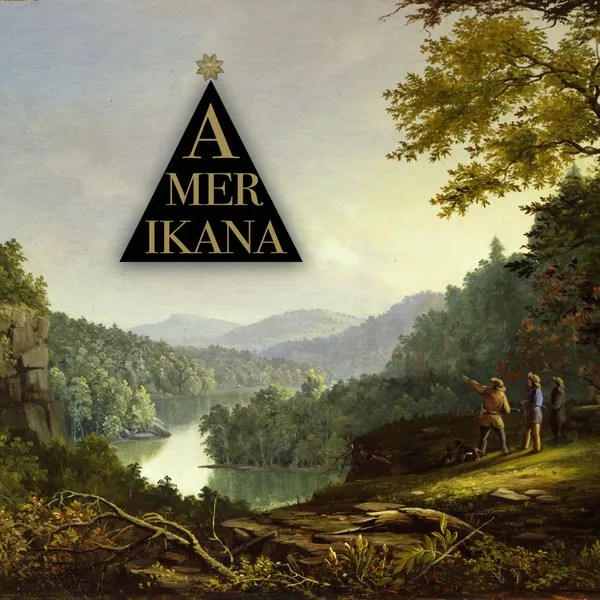
I enjoyed some new-to-me music. It comes to me courtesy of Shauna at Shameless Promotion PRhttp://www.shamelesspromotionpr.com/. The band is The Stevenson Ranch Davidians, who released a single that will appear on their next album, due in early 2027. I listened to their last album, Amerikana https://thedavidians.bandcamp.com/album/amerikana and really liked it. The band have a “60s psych, folk and soul, woven with strands of early American roots music” vibe to it, as described in their press handout. The album was released in 2017, so it will be a ten-year gap between albums, and the single preview takes their music in a new direction while retaining a good portion of the 60s psych sound, with some great organ work. https://youtu.be/dB4BkEnrn1g
I gave this album a couple of listens and then put in an order for the CD. I look forward to hearing it through the big boy speakers and then the long wait for their new album.
I closed out the week with some Joe Cocker tunes. He has a unique sound, and I like that. I did not watch any videos this time; I wanted the music to stand on its own, and it stands tall. Joe does a lot of covers, and he does them well. This heavy-duty two-CD package starts with “Feelin’ Alright,” originally a Traffic track (sorry, I couldn’t resist). Joe brings energy and passion to the song and sets the tone for the rest of this career-spanning collection of tunes. He continues with more from his A&M early material with: “With a Little Help from My Friends“, a cover of the Beatles, not an easy song to pull off, but Joe does it wonderfully. Other tracks include: “Delta Lady“, “She Came In Through the Bathroom Window“, and “The Letter“.
One of his biggest hits was “Up Where We Belong“, his 1992 number-one duet with Jennifer Warnes. There are too many great tracks in this collection to list them all so I will close with a few favourites of mine: Cry Me A River (Live), Many Rivers To Cross, Summer In The City, and First We Take Manhattan. First We Take Manhattan was written by Leonard Cohen. Jennifer Warnes first released the song on her 1986 album Famous Blue Raincoat, a great album IMHO. Interesting factoid: Stevie Ray Vaughan played guitar on the album, and Leonard Cohen himself sang a duet with Warnes on “Joan of Arc“. “First We Take Manhattan” is from Cohen’s album I’m Your Man, released in 1988. I’ll have to listen to this as well; it’s shaping up to be a great listening week. Back to Joe Cocker, the collection of songs is a great sweeping overview of his career and makes for some great listening. It was also a good listen on the road, bonus!
This past week may not have been big in quantity, but it was big on quality. I look forward to another week of tunes; music makes my world go round. Happy listening, everyone.
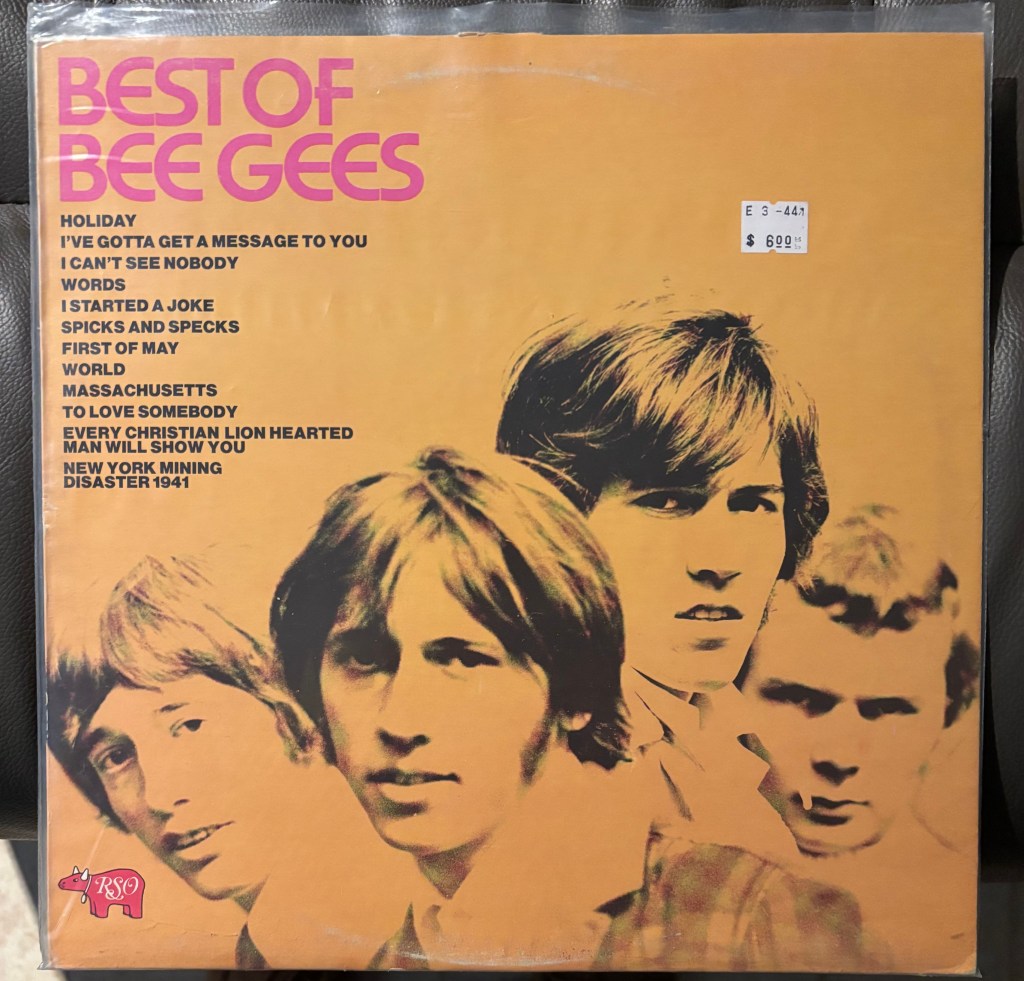
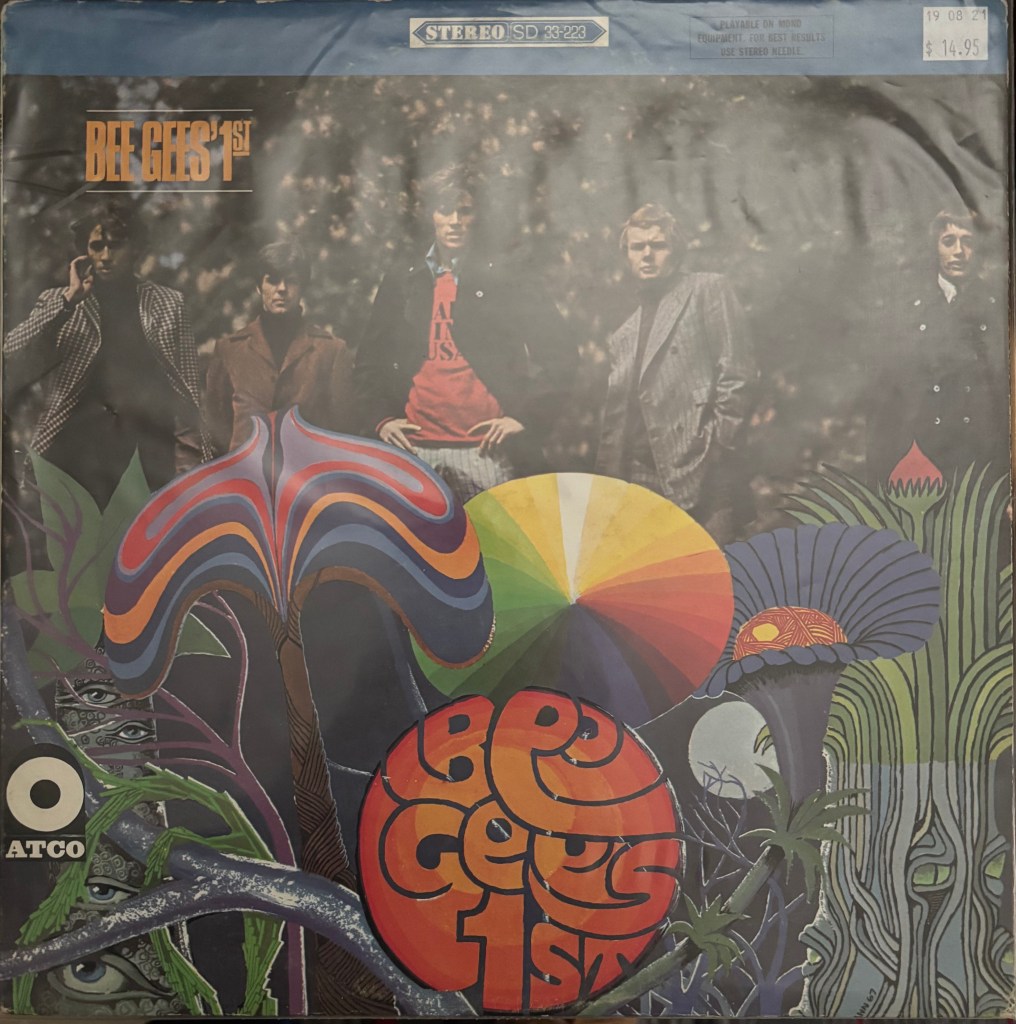
Oops! I nearly forgot that I listened to the Bee Gees’ third album, 1st. Great tunes and a great listen. It includes the songs: Holiday, Every Christian Lion Hearted Man Will Show You, New York Mining Disaster 1941, I Can’t See Nobody and more. I love this album, almost as much as the compilation album Best of the Bee Gees, which was the first full-length album that I bought.
Michael Knott had a life of emotional and spiritual anguish that showed up in his music. His lyrics spoke of the streets he lived on and the people that he lived among. He was prolific, with over 35 albums and EPs between his solo work and his work with the bands he played in. He was born in Aurora, Illinois, but moved to California, where he was part of the emerging alternative Christian rock scene. He also founded the record labels Blonde Vinyl Records and Siren Music, and served as an inspiration for the founding of Tooth & Nail Records. Below are some of the bands that Michael Knott recorded with.
The Hightops – Early pop-punk band when Knott was a teenager (songs appear as bonus tracks on Huntington Beach album)
The Lifesavors or Lifesavers – Early ’80s pop punk
Bomb Bay Babies – General market guitar-driven pop punk band
Idle Lovell – Dark alt-rock in a slightly different vein than LSU
Michael Moret – A Dead or Alive-style new wave dance album that Knott wished he’d never made
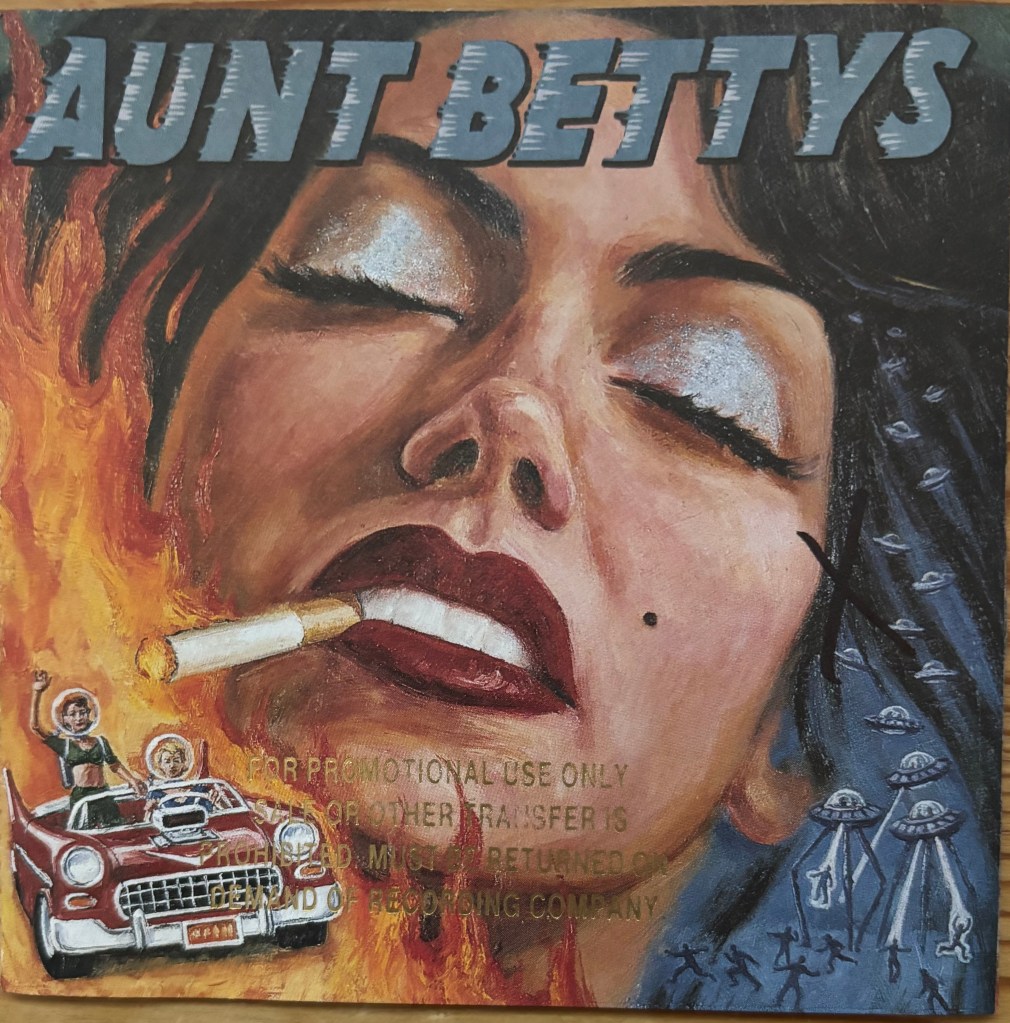
Aunt Bettys – a storytelling general market rock band Knott started in 1993
Cush – Post-modern rock band with former members of The Prayer Chain
Strung Gurus – Acoustic rock band with Social Distortion guitarist Dennis Danell (RIP February 29, 2000)
Struck Last May – 2007 project with Rick McDonough that dabbles in “… To Kill a Mocking Bird meets Sesame Street”
I don’t have physical copies of every release, but I do have a decent slice of his output. However, I am not going to do a career-spanning overview of Michael Knott in this blog; that would be on the verge of overwhelming. What I want to do is highlight the album and band, Aunt Bettys, and a few side roads thrown in. I drove to the grocery store today and listened to Aunt Bettys again. I’ve had Aunt Bettys in my car for ages now and haven’t tired of it. It came out in 1996 and has aged well in my opinion. What got me hooked was the song “Rocket And A Bomb.” Knott released an album titled “Rocket And A Bomb,” but the lyrics are different other than the refrain, “And all I ever wanted was a good job and some bus fare and a rocket and a bomb.” I will focus on the Aunt Bettys version, as well as some of the other tracks on this album. So here we go…
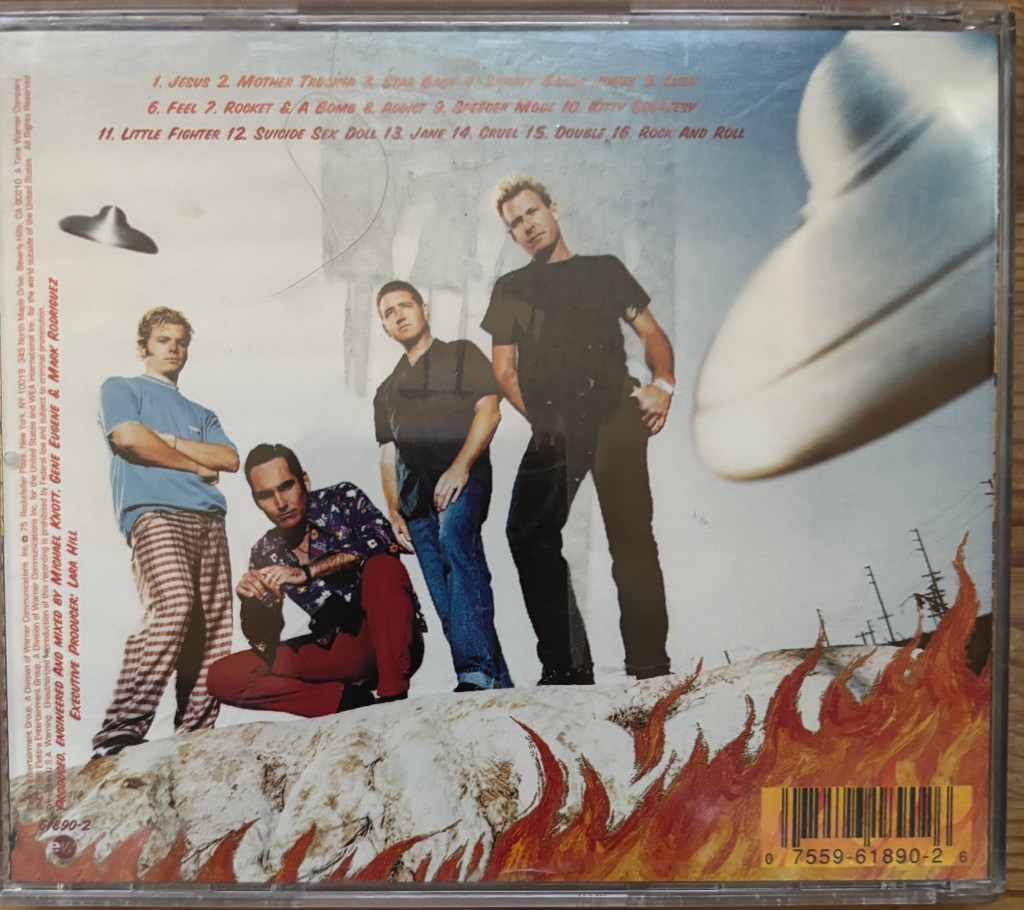
Aunt Bettys are like Pink Floyd. There is no “The” in the title. Formed in the mid-1990s in Hollywood, California, Aunt Bettys was signed to Elektra Records by Seymour Stein. The band released a self-titled, 16-track alternative rock album featuring tracks like “Jesus,” “Mother Trucker,” and “Rocket & A Bomb”. Though championed as the “next big thing,” the album suffered due to label disputes and was largely overlooked at the time, later becoming a cult favourite. The band later released an EP titled Off the Record. [1, 2, 3, 4, 5, 6]
The album starts with the song “Jesus”, which no doubt alienated him from the popular music market. His music also alienated him from the Christian market because of his honest approach to touchy topics and the occasional “shit” in the lyrics. I can relate. I got my fingers slapped at a Christian church for playing the intro to Black Sabbath’s “Iron Man”-no lyrics, just the intro. It was OK to play a clip of the Iron Man movie, but not the song.
Michael Knott was not afraid of taking on touchy topics like addiction, sex, and hypocrisy.
Knott’s songwriting appealed to many people, particularly those who could admit their flaws and appreciated the honesty with which he confronted his own shortcomings. A lot of his music was biographical and spoke to the issues he struggled with, such as addiction, and the people he encountered on the streets where he lived. Real people. I probably relate to much of Michael Knotts’ music because addiction and life on the streets have been a huge part of my life story.
Getting back to the song “Jesus”, I couldn’t help but see a parallel here with the song “Mercedes Benz” written by the American singer Janis Joplin with Bob Neuwirth and the poet Michael McClure.
Michael Knott:
Jesus Won’t you help me find my way? Won’t you send me some money in the mail?
Janis Joplin:
Oh Lord, won’t you buy me a Mercedes Benz?
Michael Knott:
Jesus Won’t you let me drink one more? It helps me to ignore how much I’ve failed.
Janis Joplin:
Oh, Lord, won’t you buy me a night on the town? I’m counting on you, Lord, please don’t let me down Prove that you love me and buy the next round
The song “Mercedes Benz” was recorded in 1970; “Jesus” was recorded in 1996; there are similarities, but they are not the same. I don’t think this is a Jimmy Page moment.
Michael Knott goes on to sing a long litany of things that he is getting.
What a way to start an album. I am sure there were some people who never got past the title and wrote it off as a soppy Christian song. The lyrics might shock some because they don’t align with the white Christian evangelical movement. Perhaps they didn’t think Jesus would show up in the places and people that Michael Knott sings about.
“A man after God’s own heart is not welcome in the Christian industry,” he said, laughing, in a 1998 interview. “I think that the fault belongs to American Christianity — it is cultural. Everyone runs away from drinking and smoking, experiencing and living life, and they end up being extremely disturbed and they lose all their faith and have no hope in the end.”
Mike Knott told an interviewer that “Jesus”
“gets violent at times, but that’s what life is like. The song is not anti-religious. I believe in God, but my life has gotten screwed up somehow, and no matter what I believe, this is how it I feel.”
The song closes with a refrain that will no doubt ring true to anyone who has struggled with addiction.
The next song, “Mother Trucker,” is directed at church culture.
“Can I make all your insecure decisions? And can I steal all your cash for my religion? And can I tell you what to think and how?”
Next up is Star Baby. In Michael Knott’s own words
The true story behind “Star Baby” is pretty much as it appears in the lyrics: A beautiful woman came into Mike Knott’s bar in Hollywood, announced that she was the product of a sexual relationship between her (human) mother and a Martian, and then told him that she’d been commanded to kill a rock and roll singer. As Knott says, “of course, everyone in the band pointed at me.”
The song “Feel” is a wild ride, in which the singer is a man whose wife has become a lesbian and who wants to stay with her badly enough to get a sex-change operation. Wow, I bet this song went over well in the Bible Study group.
And now we come to the song that kept my finger on repeat for the last month, Rocket and a Bomb. It is not “A”Rocket and a Bomb; it is just Rocket and a Bomb. I love this song.
“Rocket And A Bomb.”
[Chorus] All I ever wanted Was a good job, some bus fare A rocket and a bomb, uh huh Yeah
[Verse 1] Had a dream I’d be all right Had a nightmare I’d be cracking Up this ‘caine I lit your vision for a time ‘Til it snapped my spine And bled me from your vein
[Pre-Chorus] It keeps pushing It keeps pushing you away
[Chorus] All I ever wanted Was a good job, some bus fare A rocket and a bomb, uh huh Yeah
[Verse 2] It’s not your fault I made you ill From this open sore that spills Pus in your name I tried to fix on what I feel Beg another meal And shame your pride again
[Pre-Chorus] It keeps pushing It keeps pushing It keeps pushing you away
[Pre-Chorus] It keeps pushing It keeps pushing It keeps pushing It keeps pushing you away
[Chorus] All I ever wanted Was a good job, some bus fare A rocket and a bomb, uh huh All I ever wanted Was a good job, some bus fare A rocket and a bomb, uh huh Yeah
The singer starts by telling us what he wants, simple desires that could apply to many of us. “All I ever wanted was a good job, some bus fare.” They show the singer’s plea for creature comforts, financial security, and the ability to just get by in a stressful society. I can get behind that sentiment because those are wants that I have wanted throughout my working life. I’m retired now, so my wants have altered somewhat. Now I want a comfortable chair, some good music on the turntable, and to watch the fireworks on July 1st. Similar to a rocket and a bomb, not quite as violent though.
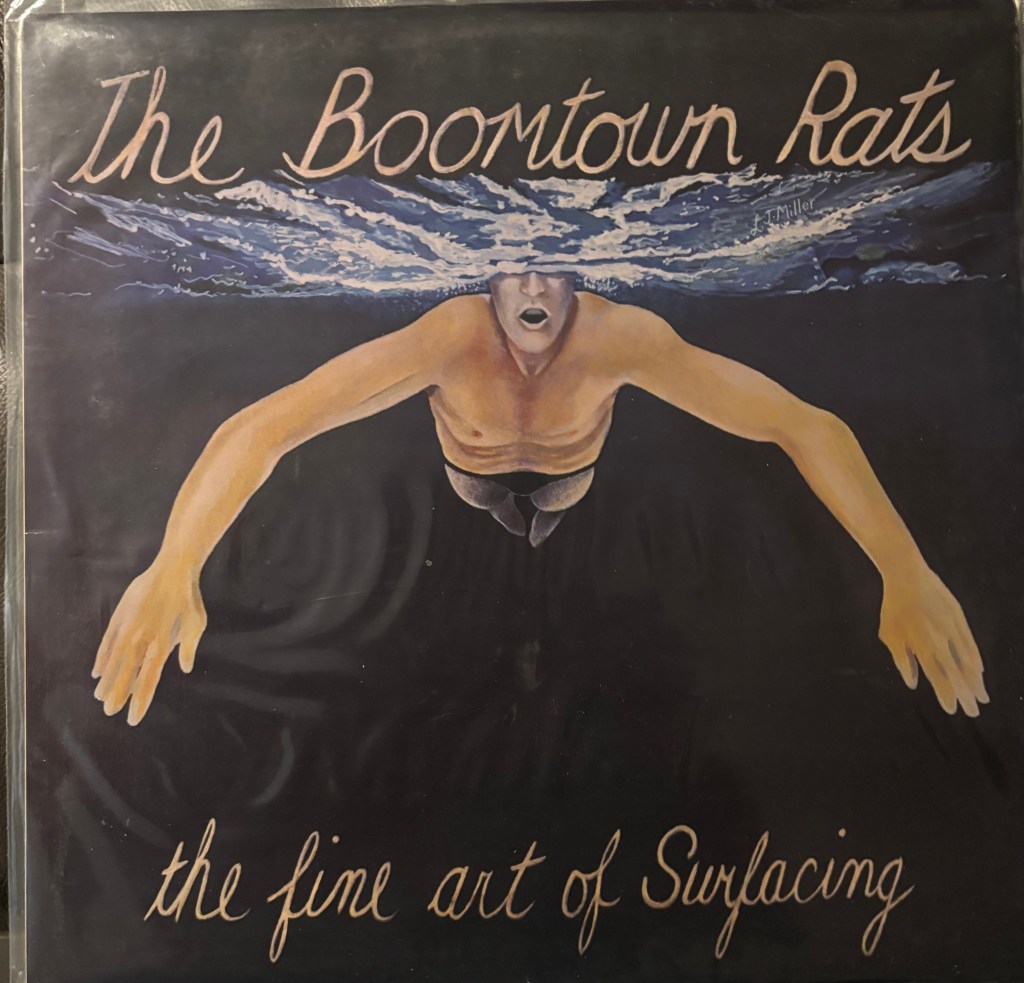
In sharp contrast to those reasonable hopes is the chorus line: “And a rocket and a bomb.” This pushes aside societal norms and lashes out in anger and desperation. Unable to fit in, the singer lashes out. This brought to mind the song “I Don’t Like Mondays” by The Boomtown Rats. The protagonists in both songs resort to violence when the American Dream of a good job and a house in the suburbs fails to materialize.
Had a dream I’d be all right Had a nightmare I’d be cracking Up this ‘caine I lit your vision for a time ‘Til it snapped my spine And bled me from your vein
He had a dream that he could be all right. The Great American dream, a two-car garage in the suburbs, 2.4 children, and mow the lawn on Saturday. Martin Luther King also spoke of a great American dream that ended in violence, as the two songs “Rocket and a Bomb” and “I Don’t Like Mondays” did. And a nightmare of crack cocaine that gave him a spark for a time till it broke him and left him bleeding from the needle in his vein.
All he ever wanted was a good job and bus fare. A good job and bus fare. Is that too much to ask for? Unfortunately, that dream all too frequently becomes a nightmare of survival on the streets, begging for the next meal, craving the next fix and a life of emotional torture. A life that “Rocket and a Bomb” spells out for us clearly and concisely.
Michael Knott’s lyrics push boundaries. From the character in the song “Feel” being willing to have a sex change to keep a lover happy to “Addict,” which is about drugs, a recurring theme in Michael Knott’s lyrics. “Speeder Mode” is about a crazy girlfriend he can’t keep up with. “Suicide Sex Doll” is about a veteran’s sexual desires. A wild punk girl with “a great big mouth, a great big lie/there’s a handful of this, a throatful of that, and she gets it done, it’s a bloody mess” is in the song “Little Fighter”. This album is full of characters who populated the bars and alleyways of Orange County, Hollywood, and the Sunset Strip, where Michael was living and making music. These songs are stories about the lives of people he met. These are also songs about his own struggles with addiction and mental health. This album is rough around the edges, but well worth the effort of listening to. AllMusic gave it 2.5/5. I give it 4/5. It has only gotten better over the years and with the many times I have played it. It may move up to 4.5/5 in the near future. Until then, enjoy the music.
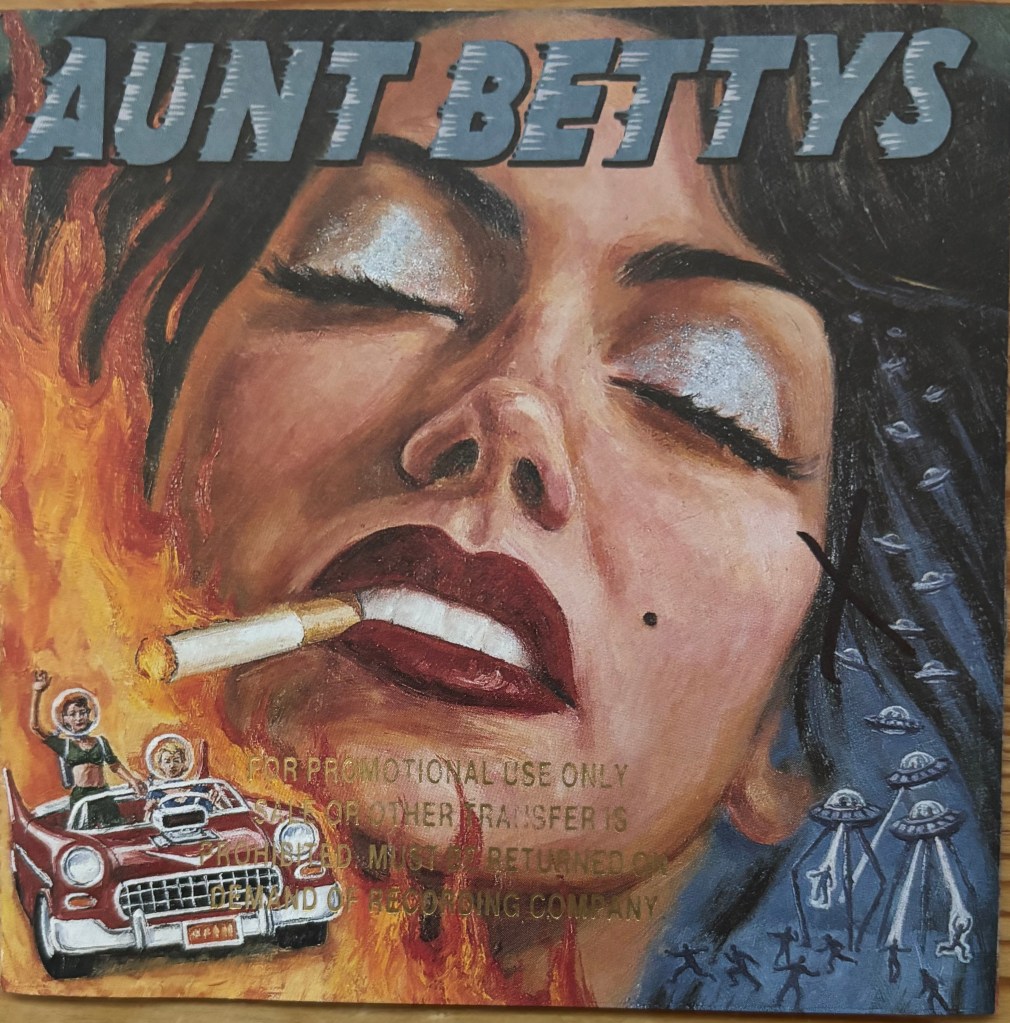
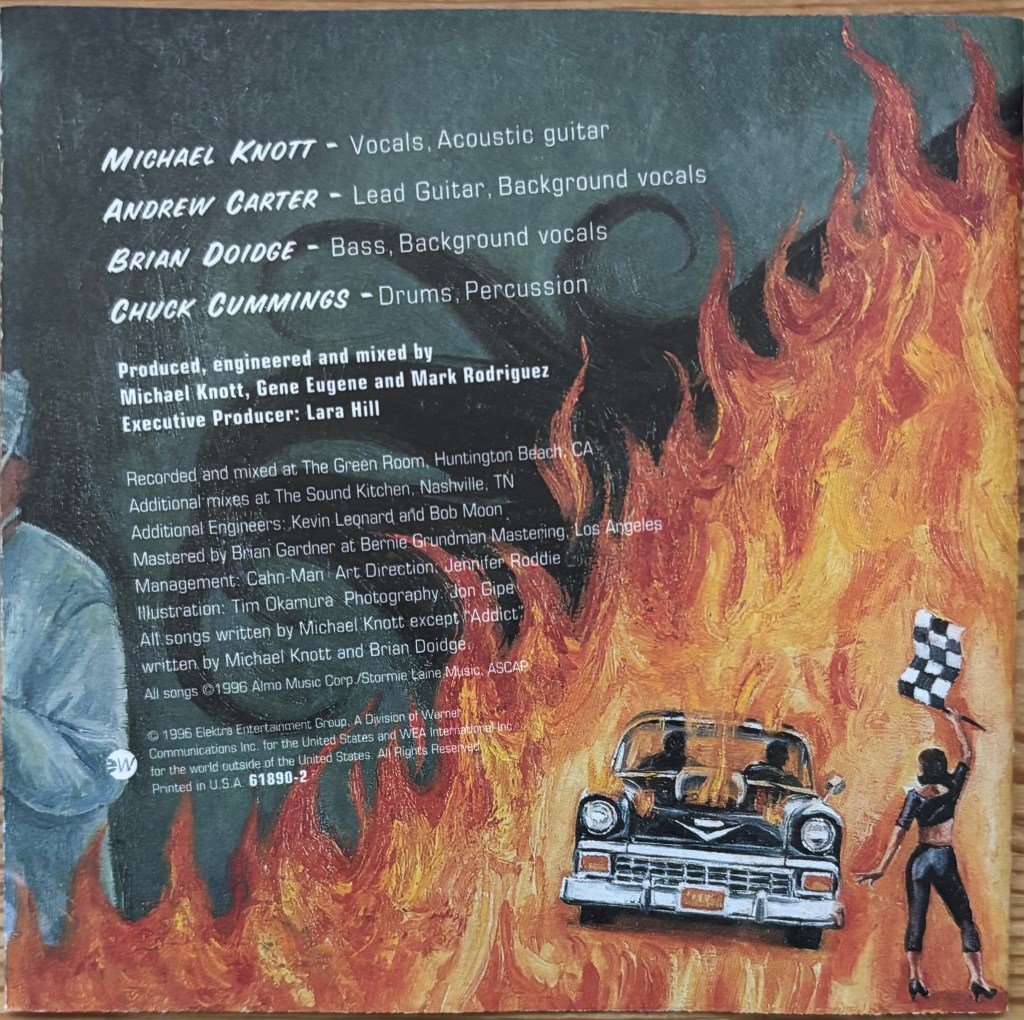
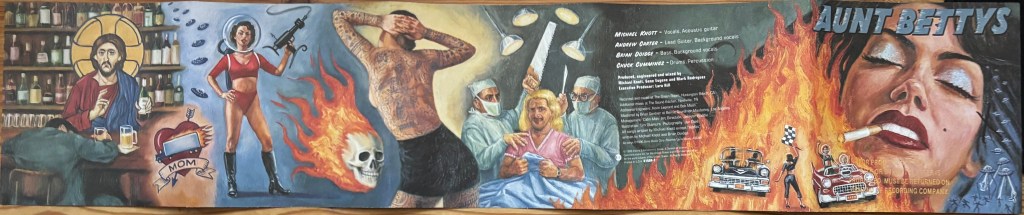
A bonus of having physical copies is the artwork that goes with the music. Aunt Bettys have visually strong artwork. Michael Knott was also an avid painter and used that for many of his album covers. Not on this CD, though; the original artwork was by Tim Okamura. It is amazing. Physical copies are available on Discogs and eBay.
I have had an interesting week of tunes. I started the week re-listening to the new Boards of Canada album, Inferno. I was in love with it on the first listen, a bit less on the second listen, and a bit more than a bit less on the third, but a bit less than the first. It’s a good album overall and does break some new ground for the band. I listened to Trans Canada Highway later in the week to give me some contrast to base my opinion on, and I like where the band has gone on Inferno. There is a definite fresh approach to Inferno, and they are not just rehashing their former sounds. Boards of Canada get a solid 4.5 out of 5 from me for Inferno. As a bonus, I like the nod of appreciation to Canada, where I live. The brothers Mike Sandison and Marcus Eoin were brought up in Cullen, Moray, on the northeast coast of Scotland, but from 1979 to 1980, they lived in Calgary, Alberta, Canada, while their father, who worked in construction, helped build the Saddledome, which is being replaced as we speak.
I have seen Stewart Copeland live, and Sting. No Andy Summers, yet. I have a lot of respect for the percussion work of Stewart Copeland. He has an immense knowledge of the science behind percussive sounds and an immense love for making music with those sounds. I will admit that I haven’t listened to Copeland’s back catalogue, but I have listened to The Rhythmatist, and I like it. Following the breakup of The Police, their drummer, Stewart Copeland, undertook a musical odyssey through the heart of Africa in search of the roots of rock & roll. The Rhythmatist, 1985, came out a year before Paul Simon’s amazing exploration of African sounds on Graceland, 1986. The Rhythmatist was a 2026 Record Store Day release and will no doubt be overpriced, meaning I can only listen to it on YouTube Music. I will keep an eye on Record Collectors Paradise to see if any copies pop up; either original or repress is fine with me. I confess, I love bin diving.
Mashmakhan. Be honest. Did you know about this band/album before now? I bought this album in 1970 in Montreal, where the band were living at the time. Mashmakhan debuted with the single “As the Years Go By,” which became a smash hit and was released in an edited form. The single sold 100,000 copies in Canada, 500,000 copies in the United States, and over 1,000,000 copies in Japan. The only number I could find for album sales was “This disc sold over one million copies globally, and received a gold disc.” – https://citizenfreak.com/artists/99111-mashmakhan The album has aged quite well, and I enjoyed the trip down memory lane when I played this album.
Oxbow was an American experimental rock band from San Francisco, California. Founded in 1988, the band released eight studio albums, disbanding in 2024. According to Pitchfork writer Zoe Camp, the album “envision[s] a world domineered by disorder, a carnivalesque arena where music’s most intimidating, grandiose genres (free jazz, high-concept chamber pop, noise, neoclassical, metal) can duke it out like gladiators one minute, and come together for a grotesque group hug the next.
Thin Black Duke by Oxbow was met with critical acclaim upon its release. The album received an average score of 87/100 from 9 reviews on Metacritic, indicating “universal acclaim”. In a positive review with The Quietus, Sean Guthrie wrote, “By rights no group should be peaking after 30 years of making music together, yet that is the situation in which Oxbow find themselves. Will they ever transcend Thin Black Duke? Such are the ideas and attention to detail on this record, only a fool would bet against them. Zoe Camp of Pitchfork was positive on the album, but she did not see Thin Black Duke as Oxbow’s “definitive show of force”.
To my ears, Thin Black Duke is an album that lives in the genre of experimental music. Yes, there are elements that Zoe Camp lists in her assessment of the album, but for simplicity’s sake, I will only call it experimental. This is an album that needs more than one listening session. It also works better with focused, attentive listening; there is a lot going on. I enjoy Thin White Duke more each time I listen to it. As a matter of fact, I am going to listen to it again right now.
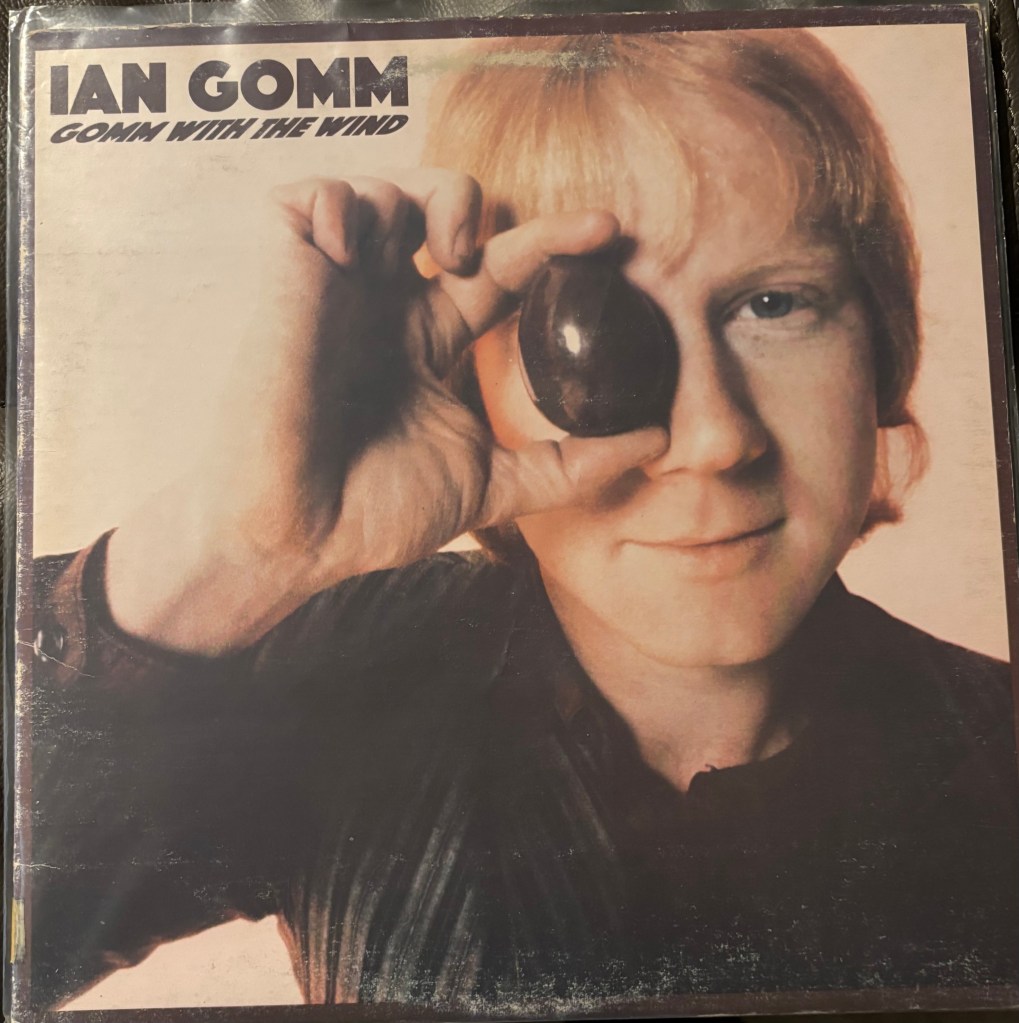
Ian Gomm, Gomm With The Wind, is a favourite throwback to the golden age of New Wave music. I love it!
Modest Mouse have dropped a new album, An Eraser and a Maze. I generally like Modest Mouse and have a couple of their recordings; Strangers To Ourselves is my favourite. An Eraser and a Maze sounds like Modest Mouse; it has their familiar feel working around the cadence of Isaac Brock’s vocals. It is the band’s first album since the death of founding drummer Jeremiah Green in 2022, and the band’s first to feature new members Simon O’Connor (guitar), Damon Cox (drums) and Keith Karman (keyboards). The new members bring new flavours to Modest Mouse, but the album still retains the familiar sound that longtime fans will recognize. While not straying too far from their tried-and-true sound, the album still offers enough new material to appeal to both new fans and longtime listeners. I think I may have to acquire An Eraser and a Maze on vinyl, since I like it more with each listening session. Good music start to finish.
I saw a video of the song “bmbmbm” and was blown away by Black Midi’s manic energetic performance. I bought the album Schlagenheim, and it has become a regular listen over the years. It has aged well and is a good example of a great debut album. If you want to see Black Midi in performance, I recommend https://www.youtube.com/watch?v=Rc3LSW_XTwI for the song “bmbmbm” (boomboomboom). Unfortunately, the lead guitar for Black Midi, Matthew Antony Kwasniewski-Kelvin, took a sabbatical from the band after the release of Schlagenheim and, in January of this year, passed away from complications related to mental health issues. Apart from the song bmbmbm, the rest of the album is a solid listen.
I ended the week with the album Wet Dreams by keyboardist/vocalist Richard Wright, a co-founder of Pink Floyd. He appeared on almost every Pink Floyd album and performed on all of their tours. He was inducted into the Rock and Roll Hall of Fame in 1996 as a member of Pink Floyd. Wright died from lung cancer at his home in London on 15 September 2008, aged 65. At the time of his death, he had been working on a new solo album, thought to comprise a series of instrumental pieces.
The surviving members of Pink Floyd paid tribute to Wright. Roger Waters said it was “hard to overstate the importance of his musical voice in the Pink Floyd of the 60s and 70s”, and he added that he was happy they had reunited for Live 8. The drummer for Pink Floyd, Nick Mason, said Wright’s contributions were underrated, and that his playing “was the sound that knitted it all together”, comparing his “quiet one” status in the band to George Harrison of the Beatles. David Gilmour called him “my musical partner and my friend” and praised Wright’s ability to blend his voice with Gilmour’s, such as on “Echoes“. Gilmour reiterated that it would be wrong to continue as Pink Floyd without him. In the updated edition of his memoir, Mason wrote that “the distinctive, floating textures and colours [Wright] brought into the mix were absolutely critical to what people recognize as the sound of Pink Floyd … He once summed up his musical philosophy by saying, ‘Technique is so secondary to ideas.’ Many fine keyboard players could and did emulate and recreate his parts, but nobody else, other than Rick, had the ability to create them in the first place.”
Following Barrett’s replacement by David Gilmour, Wright took over some songwriting, but gradually became less involved. His keyboard playing remained an integral part of the band’s live set, particularly on “Interstellar Overdrive“, “Set the Controls for the Heart of the Sun,” and “Careful with That Axe, Eugene“. He contributed themes for Pink Floyd’s film scores for More, Zabriskie Point and Obscured by Clouds. He made significant contributions to the arrangement of longer compositions such as “Atom Heart Mother, “Echoes” (on which he sang lead vocals with Gilmour) and “Shine On You Crazy Diamond“. On 1973’s The Dark Side of the Moon, he composed the music for “The Great Gig in the Sky” and “Us and Them“. He also contributed to the composition of tracks such as “Time“, for which he sang lead on the bridge, “Breathe“, and “Any Colour You Like“.
I have the feeling that a lot of fair-weather listeners, who may only be familiar with Dark Side of the Moon and The Wall, don’t realize the extent of Wright’s contribution to the band. He wasn’t just the keyboard player; he was an essential part of Pink Floyd and contributed significantly to their success.
While Wet Dreams isn’t my favourite solo album from the members of Pink Floyd, it is still a good recording. Listening to his solo work gives an opportunity to hear his “sound” and to appreciate how good he really was. He had a unique style of keyboard playing and a fine voice. Wet Dreams is a good way to end my listening week.
King Of The Road & Other Country And Western Comedy Hits
Various
My Kind Of Country
Durand Bernarr
Bernarr.
Hank Williams
The Best of Hank Williams
Lefty Frizzell
Country Classics
The Original Carter Family
My Old Cottage Home
Various
Ford Motor Company Presents Stereo For The ’80s
Whitehorse catches me by surprise every time I listen to this album. I don’t know what is causing that, but they sound new every time I listen. I suppose that is a good thing, sounding fresh and brand new every time I play it. It is a good album, their first one. The guitar work is clean and sharp as tacks. I don’t have a genre to drop them into; Wikipedia lists them as folk rock, which works for me. They are a great harmony duo; their voices blend together very smoothly. I really should check out some of their other albums to see if they reach the lofty plateau I have placed this one on.
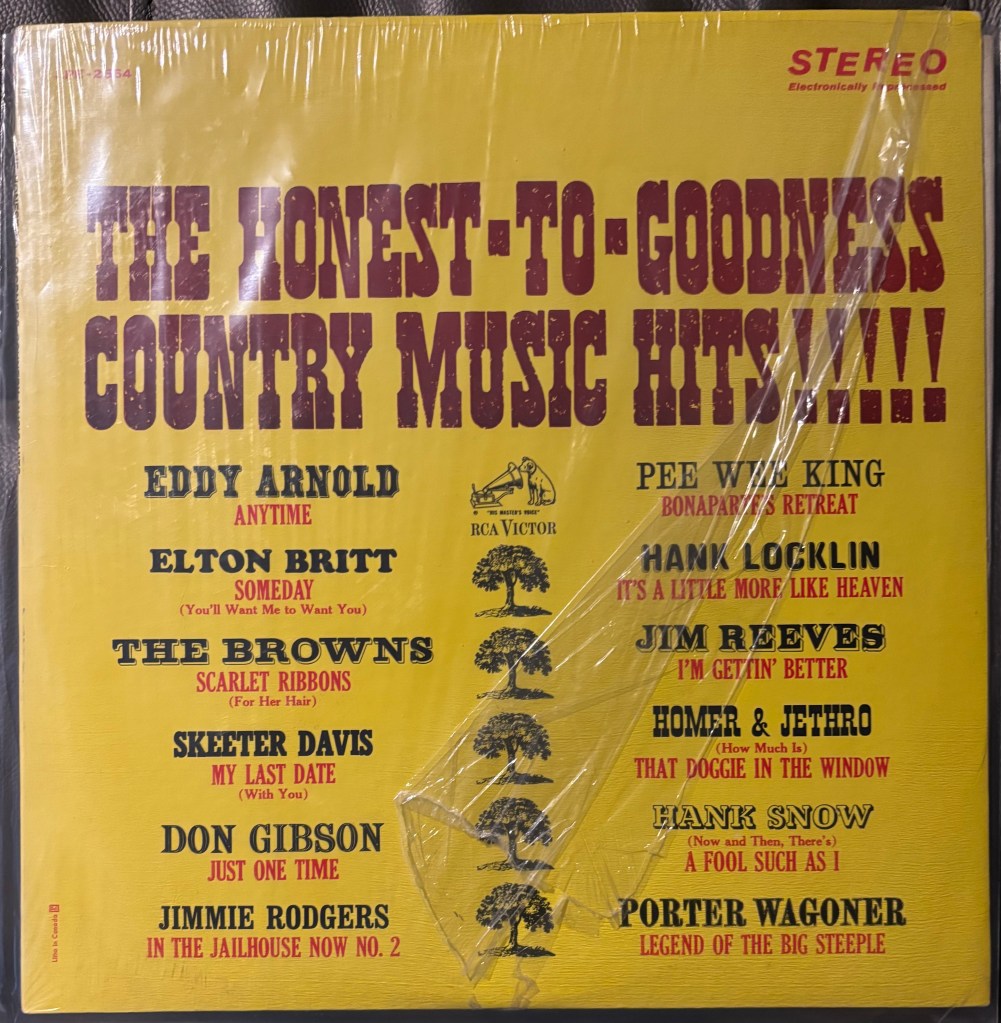
I also listened to a bunch of country music this week. We stopped in a second-hand store in the town where my mother lives, and I was able to score a couple of country and western cassettes. Yes, you read that right, cassettes. That format has not disappeared from my collection. I am still a huge fan of traditional country music. It is the music I grew up listening to on 790 CFCW and my Dad playing and singing. I don’t know if it defines my musical heritage, but it sure coloured it nicely. It was my only exposure to music until my teens, when I discovered 60’s rock and roll and moved my listening dial to 630 CHED.
Durand Bernarr released the album BERNARR. And I fell in love with it. I read a suggestion from another music lover on the blog On Repeat Records. I didn’t write down the name, but you know who you are, thanks. It is R&B with a twisted shot of funky hip-hop. Kyle Denis of Billboard stated in a positive review that Bernarr “expands the singer’s soulful, gospel-informed soundscape with splashy flourishes of yacht rock, P-Funk, house and Miami bass.” I can go with that.
Well, there we have it. It was a rather light-weight week in terms of quantity, but heavy-weight in terms of quality. Happy listening, everyone.
“name the last band or record they found without the internet”
I walked into a record store in Pisa, Italy, and asked the fellow behind the counter if there were any Italian prog bands he would recommend. He showed me a few, and I chose an album by the band Area, Maledetti (Maudits), solely based on the cover art. It took another week of travel in Europe before I got home and put it on the turntable. I don’t know how to describe it. Discogs has it labelled as “Free Jazz, Avantgarde, Free Improvisation, Prog Rock,” whatever the hell that means. It has some weird shit and isn’t an album for the faint of heart or for someone who has been fed only pop music their entire life. I have listened to it twice, and it will be a long time till the third spin on the turntable.
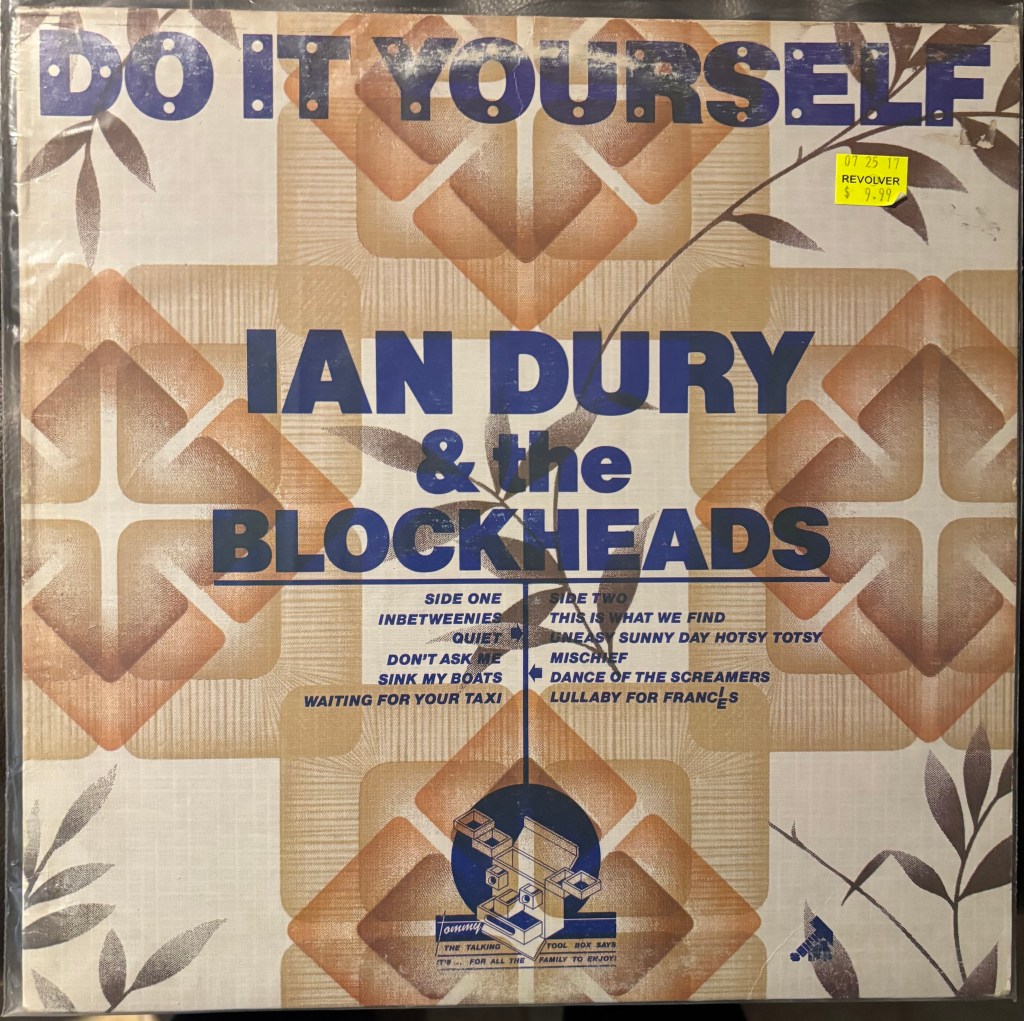
I didn’t listen to it this week, but I did listen to a lot of good music. Music from the Grand Ole Opry to Bibleland. From Singing Cowboys to Rebel Songs. We travelled from the Autobahn to Whitehorse. I’ll throw in some Combat Rock and California Dreamin’ through These Eyes. You may ask What’s Going On and then Do It Yourself. There was a good variety, and I feel it was time well spent listening to these tunes. Until next week, happy listening, everyone.
It’s the start of the wedding season up here in the frozen north country, so I listened to “Something old, something new, something borrowed, and something blue”.
Something old was a tough decision because I am old and a good chunk of my listening falls into this category, so I picked Desire by Bob Dylan. This album is my favourite from his stupendous discography, and it is also one of my desert island picks. Desire followed the release of the double album “Basement Tapes”, which featured Dylan playing, literally in a basement, with “The Band.” That album will have to be listened to again, something for a future blog perhaps. Disire is a solid album from start to finish. From the opening track Hurricane to the closing track, Sara. Hurricane tells the story of Rubin Carter, a boxer who went by the nickname “The Hurricane.” A powerful song with great lyrics and extensive use of violin, which I greatly admire. Desire has a wonderful collective of contributions from other musicians that I won’t list in detail here to keep this blog from becoming a rambling essay about the album “Desire”, instead of a commentary on what music I have been listening to.
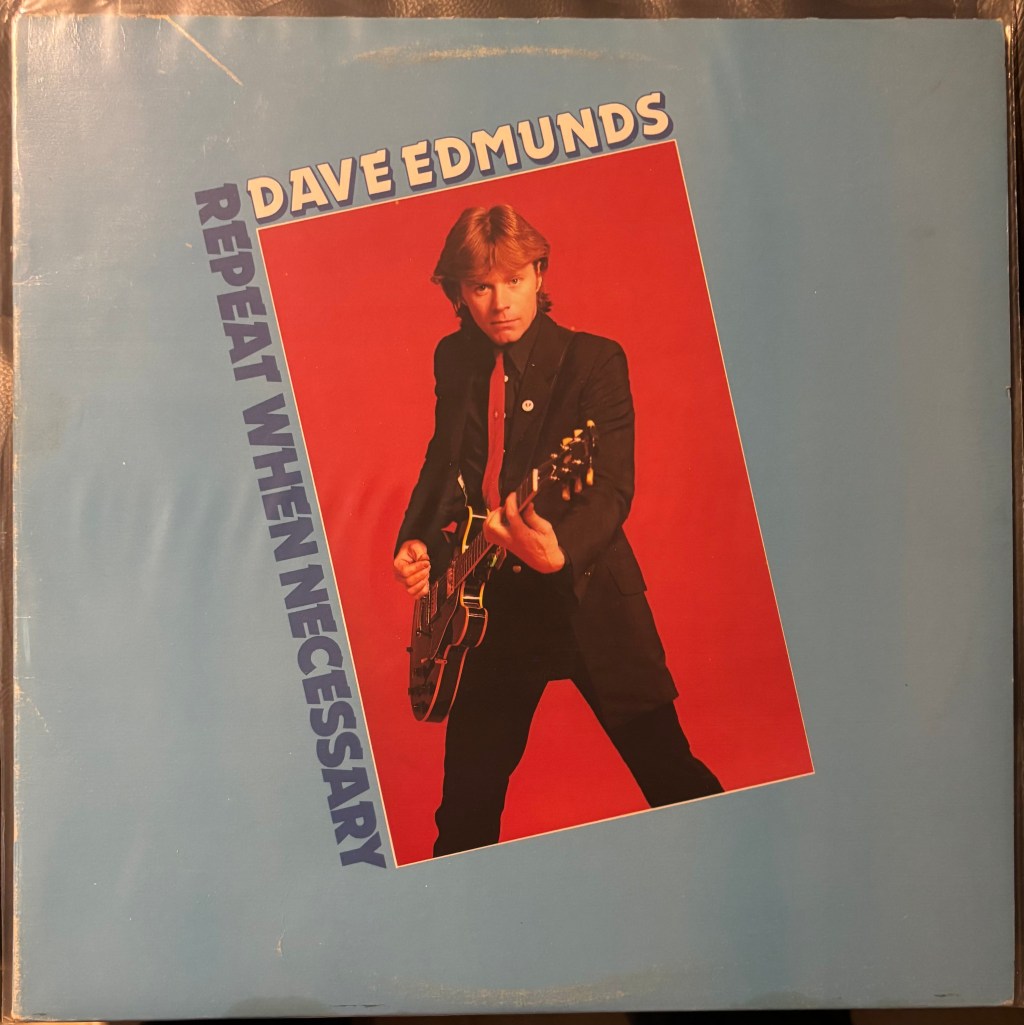
Something new is the album “Honora” by Flea, the bassist from the band Red Hot Chili Peppers. I have noticed a few other artists playing music outside of the genre they had been defined by in their early to mid-career, and moving to something significantly different. Sturgill Simpson and The Arctic Monkeys are two good examples of this transition. Simpson has flipped his musical style several times, from classic country to alt-country to bluegrass to jazz-influenced funk/rock. The Arctic Monkeys went from alt-rock to a lounge band, radical, but it worked and “Tranquility Base Hotel & Casino” is a great album. Honora takes a hard turn from the RHCPs’ alt-rock to an album heavily influenced by jazz. It features bass, and Flea plays it with passion. The album was inspired by Flea’s love for jazz, and features six original songs along with covers of songs originally written by Eddie Hazel and George Clinton, Jimmy Webb, Frank Ocean and Shea Taylor, and Ann Ronell. I have had this album on repeat since it came out, and I am listening to it as I write this. Good stuff.
Something borrowed is a tough one because I don’t borrow records or lend mine out to be borrowed. The closest I could get was the album “Laughing Cavalier” by Wallace Collection. I asked Joel if I could buy this album from him, and he said “No”, but he did give it to me. Not really borrowing, but the closest I could get. Wallace Collection are best known for their 1969 international hit “Daydream,” which appeared in the movie Mr. Nobody. I rewatch the movie and replay the album semi-regularly.
For something blue, I went with Kind of Blue by Miles Davis. Often cited as one of the greatest albums of all time, and not just in the jazz genre. It is the best-selling album by Miles Davis, certified platinum five times, and it continues to sell. Between 1991 and 2016, the album sold 3.6 million copies in the US alone.
Everyone and their dog has heaped laurels upon this album. Kind of Blue has appeared on professional listings of the greatest albums. In 1994, it was ranked number one in Colin Larkin’s Top 100 Jazz Albums. Larkin described it as “the greatest jazz album in the world”. In 2002, it was one of 50 recordings selected for the inaugural year of induction into the Library of Congress’s National Recording Registry. In selecting the album as number 12 on its 2003 list of the 500 greatest albums of all time, and maintaining the rating in a 2012 revised list, Rolling Stone magazine stated: “This painterly masterpiece is one of the most important, influential and popular albums in jazz.” The rating fell to 31 on Rolling Stone’s revised list in 2020. On December 16, 2009, the United States House of Representatives passed a resolution honouring the 50th anniversary of Kind of Blue and “reaffirming jazz as a national treasure”. It is included in the 2005 book 1001 Albums You Must Hear Before You Die, described by reviewer Seth Jacobson as “a genre-defining moment in twentieth-century music, period.” It was voted number 14 in Colin Larkin’s All Time Top 1000 Albums 3rd Edition (2000). The Penguin Guide to Jazz Recordings lists the album as part of its suggested “core collection”, and also awards it a crown, indicating a recording of particular merit. – This paragraph is an edited version of a Wikipedia entry.
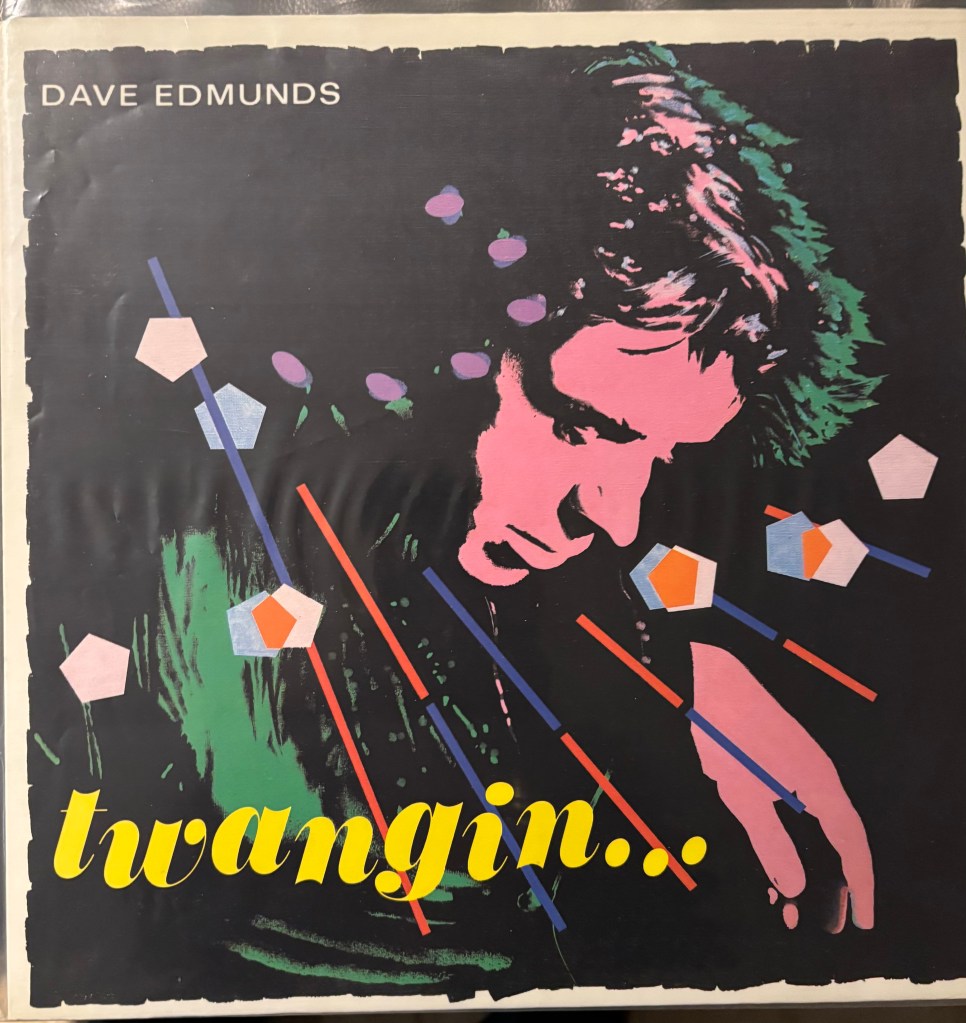
I listened to a basketful of other albums; suffice to say, they were all good in their own way.
For many, many years, I enjoyed the hobby of building plastic model kits. Sometimes I made them into a diorama. I gave some of them away to various places across Canada. It was an enjoyable way to fill my retirement years. Until about six months ago. I started losing dexterity in my fingers, and that does not bode well for the small, intricate parts of a model car. I fought the good fight and finished the model I had started, but it turned into a boondoggle of hot-melt glue and frustration. The picture below is the original photo that provided the idea, and the result beside it. I am ashamed to even post that mess, but it helps explain my lack of dexterity in my hands.
Quite a few of the dioramas depict historical events, some from my life and some from random inspirations. Below is one of my first dioramas: a Ford Model T converted into a snow machine. The model is in the museum where the original truck is located, Nain, Labrador. I lived in Labrador a long time ago and still have fond memories of my time there. The model won a gold prize from the local IPMS chapter.
Next up is arguably my favourite, a Caterpillar dozer. Once again, I have the original, this time with my parents sitting on the track. My dad was the operator. This was a challenge to build because the model I bought from the store was a new machine and a modern D-8 instead of the cable D-6 shown in the photo. It required extensive research into the different engines and cable runs, which led to a lot of fabrication of new parts. It was a challenge, but in a good way.
The next one is a Model T from the Western Development Museum in Saskatoon, and my rendition of it. The gear to turn the wheels didn’t quite come out to spec, but what the hey, it’s progress, not perfection. I tend to be my worst critic.
I’m on a roll now, so here are some more real-life dioramas. My Dad, George Weatherly, was a welder at McLevin’s in Red Deer for many years, and they had a yard machine to move things about. It was cobbled together from two truck frames, a Mercury engine, and lots of innovation. They called it The Moose, a face so ugly only a mother could love it. They didn’t have any photos of the moose, so I put it together from my memory and some hints from the owner, Alan McLevin. The welding truck is from their homepage. https://www.mclevinindustries.ca I put an engine and generator in the welding machine, and hand-made all the parts and welding gear. The delivery truck was a dog’s breakfast of parts thrown together. There is no picture of the original other than the web page from above. The truck below is one of my Dad in a Mannix truck, probably somewhere between Hinton and Grande Cache. The diorama is in McLevin’s office in Red Deer.
This next one was fun to build. I started with nothing more than a photo and the shell of a truck cab. Everything else is handmade. I put in electric motors for the two winch cables.
I am rather fond of tractors, and there isn’t much to choose from, but I have made several with some differences. The one in the left foreground is a Ferguson TE-20. The one directly behind it is two Ferguson TE-20’s mashed together. I built the backhoe from scratch but never got around to mounting it on the tractor. One summer I drove a tractor up and down a road pulling a wobbly wheel, which I also built from scratch.
If you managed to make it this far I might as well throw in a couple of random builds.
Last one, another example working electric cable.
Music has always been a focus of my life, and I still listen to lots of music and occasionally write about it on https://weatheredmusic.ca. As enjoyable as it is, I needed something else to fill the void that had been occupied by diorama building. The goal was for something that required a certain level of mental prowess, nothing that did nothing more than kill time. I wanted something that made me problem-solve and required a bit of physical dexterity, but not so small that I couldn’t see or hold it. I was at a loss as to what my new hobby would be.
Until last week. Valerie and I were wandering through Goodwill just to see if there were any bargains to be had, and there were. I scored two CDs: “Best Rock of 1973, “good road music, and the B-52’s “Cosmic Thing,” which has the hot single “Love Shack.” I also got two albums, David Meece and Mark Heard. And then, after browsing the book section, we headed to the front of the store, and I saw hundreds of jigsaw puzzles and mentioned to Valerie that this could be a solution. I browsed the section and found a nice puzzle of the Solar System that fit with my love of gazing at the night sky. It was only $7, so I bought it to see if it checked all the boxes for a new hobby, and it has, sort of. It is good for hand-eye coordination and requires some brain juice to figure out where the pieces go.
I enjoyed putting the puzzle together and finished it in a week. I wasn’t rushing or obsessing over it; I worked on it whenever I had some free time. It was fun, until yesterday. I filled in the non-specific pieces that could have gone in more than one place, and I was looking forward to finishing it. I couldn’t, there is a piece missing! Valerie and I searched high and low around the desk; the 999 pieces out of the 1000 advertised were all I had. No luck, so now I have to take it apart. Originally, I was going to mount it because I like the picture. But I found that it wasn’t very photogenic when it was finished, so I put all 999 pieces back in the box and will regift it to a Thrift store. I bought two more puzzles from the thrift store, and I am almost filled with dread that a piece might be missing in them as well. Maybe I have to pay the extra cost for new ones.
I will keep you informed of my progress. I am starting a puzzle of The Starry Night, an oil on canvas painting by the Dutch Post-Impressionist painter Vincent van Gogh. I will add one more thought: I enjoy listening to music while I puzzle, a nice melding of two hobbies. Joel also gave me a brilliant idea: what about building large-scale models? I did a Fiat a while back, and it was a nice build. I may have to look into this option and see where it takes me. Until then, it will be The Starry Night with some music while I puzzle. Perhaps more from Timothy Brady, was he at the Symphony and listened with rapt attention as the ESO and Robert Uchida tore into Requiem 21.5.
This is the end. The Starry Night was unbuildable. The puzzle was so dirty I had to wear gloves to handle it ,the pieces were often bent, and so flat I could barely pick them up. Back in the box. It was also too large to work on my desk, so I bought a piece of fibreboard. Unfortunately, leaning over to work on the puzzle put too much strain on my neck, causing severe pain.
I looked into large-scale models, 1/16 and 1/12, and they are astronomically expensive. I couldn’t justify paying $300 for a model kit, and I can’t afford them on my senior retirement funds. I am going back to listening to music, doing research and posting more detailed blog posts. If you made it this far in the post, you can take more punishment than the average blog reader. Well done. I am off to listen to Herbie Mann, 65th Birthday Celebration: Live At The Blue Note In New York City.
Is this post a self-promoting, egotistical, grandiose display? Yes.