

1978 and 1979 were stellar years in rock and roll history, and in the subgenre of New Wave music. They were also amazing years for my record collection. I fell in love with New Wave music, listened to a lot of it, and still do. I recently watched a YouTube video about Nick Lowe that inspired me to write a blog about my love of his music and the New Wave Scene in general.https://www.youtube.com/watch?v=I555mo22Tuw)
New Wave music built its foundation on the same ground as the 1960s pop, namely 7” singles. New Wave and power pop helped make 1978 the best-selling year for 7″ singles in UK chart history, only to break that record a year later. No other year has achieved as many singles as 1979. I didn’t, and still don’t, buy, listen to or review singles. Yes, I am an album snob, always have been and at my age, imagine I always will be.
Before the boom of New Wave music in 1978/79, there were the seeds of what would grow to be the British New Wave scene. A pivotal band in that music scene was a man and a band named Brinsley Schwarz. Brinsley Schwarz played with various musicians over the years, most notably Nick Lowe, who joined the band in 1969. In 1971, guitarist Ian Gomm joined the band. Brinsley Schwarz toured extensively in the early 1970s, and their solid live performances soon earned them a large fanbase in London. Between 1970 and 1974, Brinsley Schwarz released 6 albums, which were well received but none of which sold very well.
Wikipedia: “In 1974, they arranged for Dave Edmunds to produce their sixth album The New Favourites of… Brinsley Schwarz, which was more polished, and again received good reviews. This association also led to their touring as Dave Edmunds‘ backing band, appearing on the live tracks of his Subtle as a Flying Mallet album. In addition to the albums, Brinsley Schwarz also issued a series of singles under their own name and various pseudonyms, but none charted. They recorded a final album, It’s All Over Now, in 1974, but this was not released at the time. They finally disbanded in March 1975.” It’s All Over Now was released in 1978, the year New Wave music exploded onto the scene, and my wallet imploded.
1978 had the #2 single, Blondie‘s Heart of Glass, and its top-selling album, Parallel Lines. 1978 also saw Nick Lowe, the instigator of this blog, release Jesus of Cool in the UK in March 1978. In the United States, Columbia Records reconfigured the album and retitled it Pure Pop for Now People, which is what I listened to tonight. This album has stuck with me since I bought it and marked the start of a long history with Nick Lowe, including numerous other releases. I am not a completist; I don’t have deep enough pockets, but when I like an album or artist, I will play it till the grooves are worn out. Such is the case with Pure Pop for Now People; I am still waiting to purchase a copy of Jesus of Cool, the UK release.
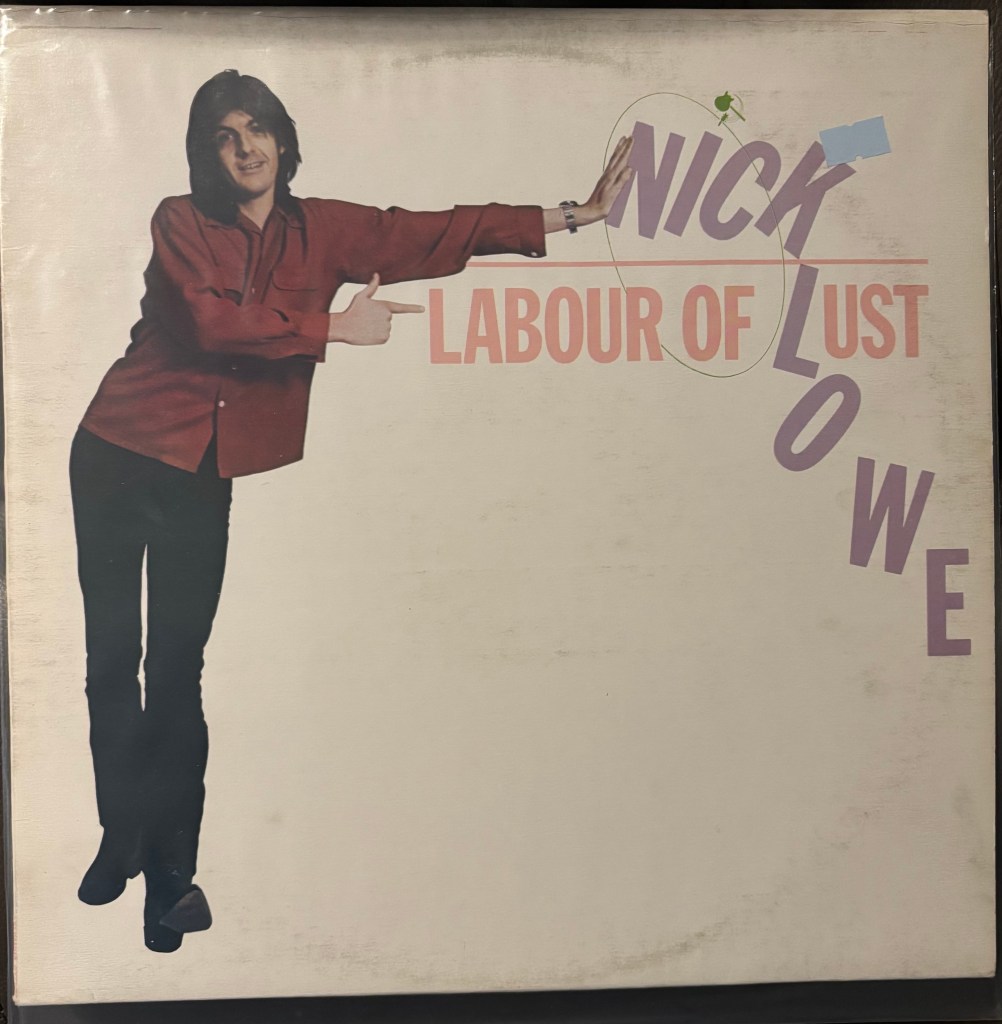
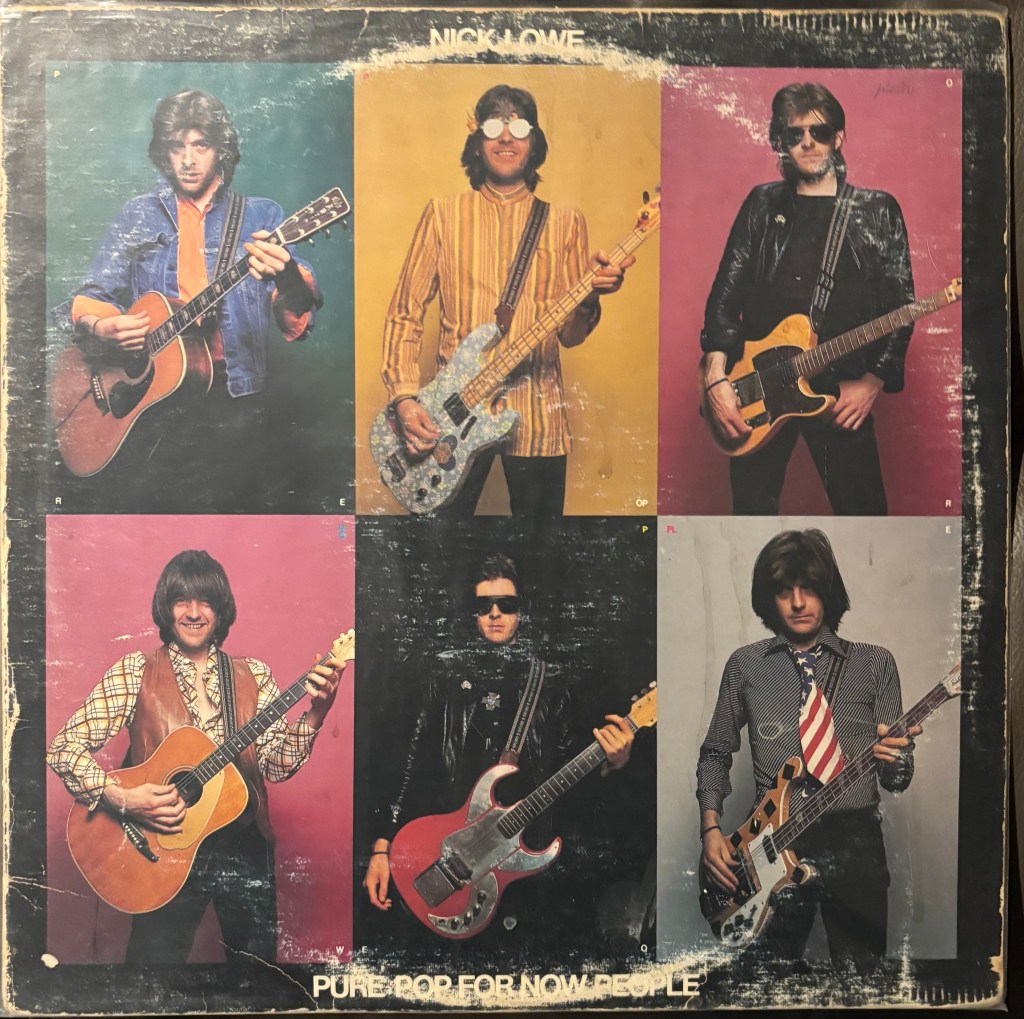
Pure Pop for Now People was released in 1978, and in 1979 he released another powerhouse album, Labour of Lust. These two albums defined my love of Nick Lowe’s music and sparked my love of New Wave. I have other albums from Nick Lowe’s mid-career as well as some of his more recent releases, but I always come back to Pure Pop for Now People and Labour of Lust.
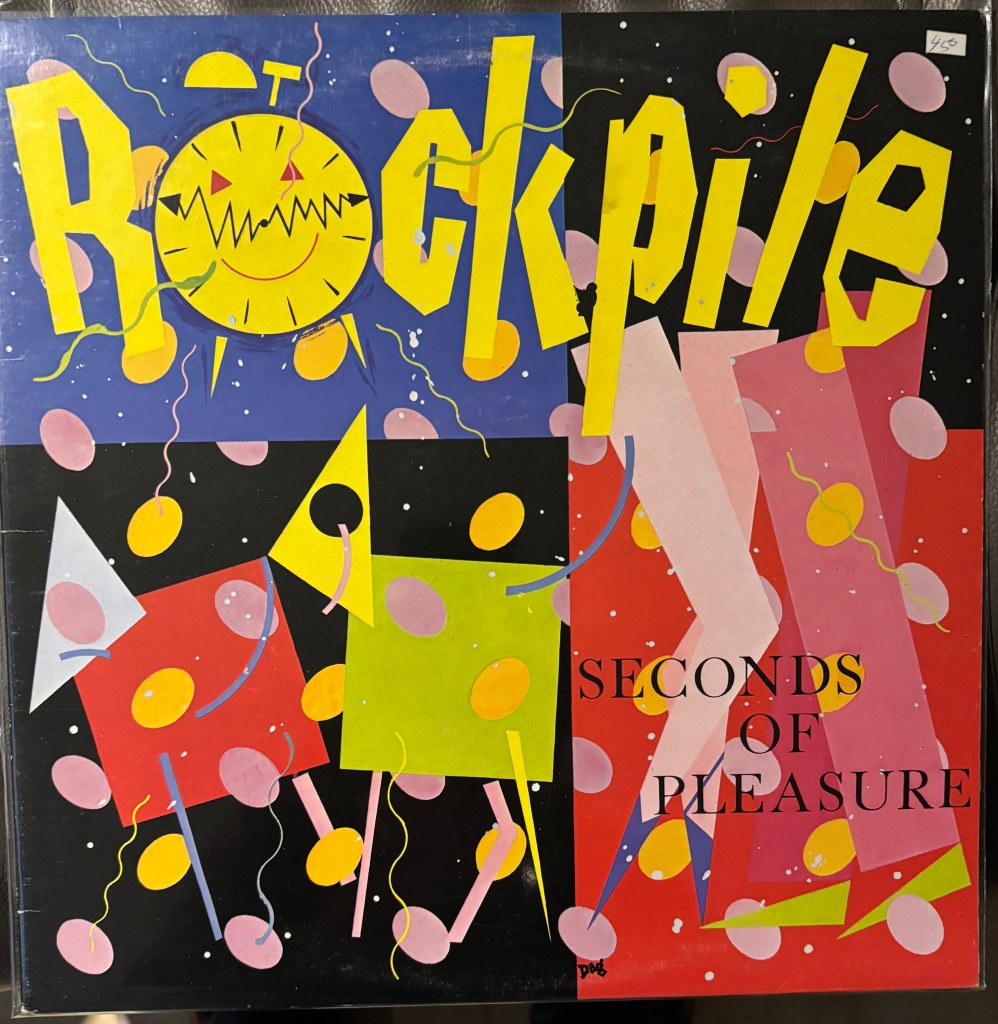
In the late 1970s, a new band was forming: Rockpile, with Nick Lowe and Dave Edmunds, plus Billy Bremner and Terry Williams. Rockpile was an on-again, off-again venture that recorded expensively, toured occasionally, and became a foundational influence on New Wave and British pub rock.
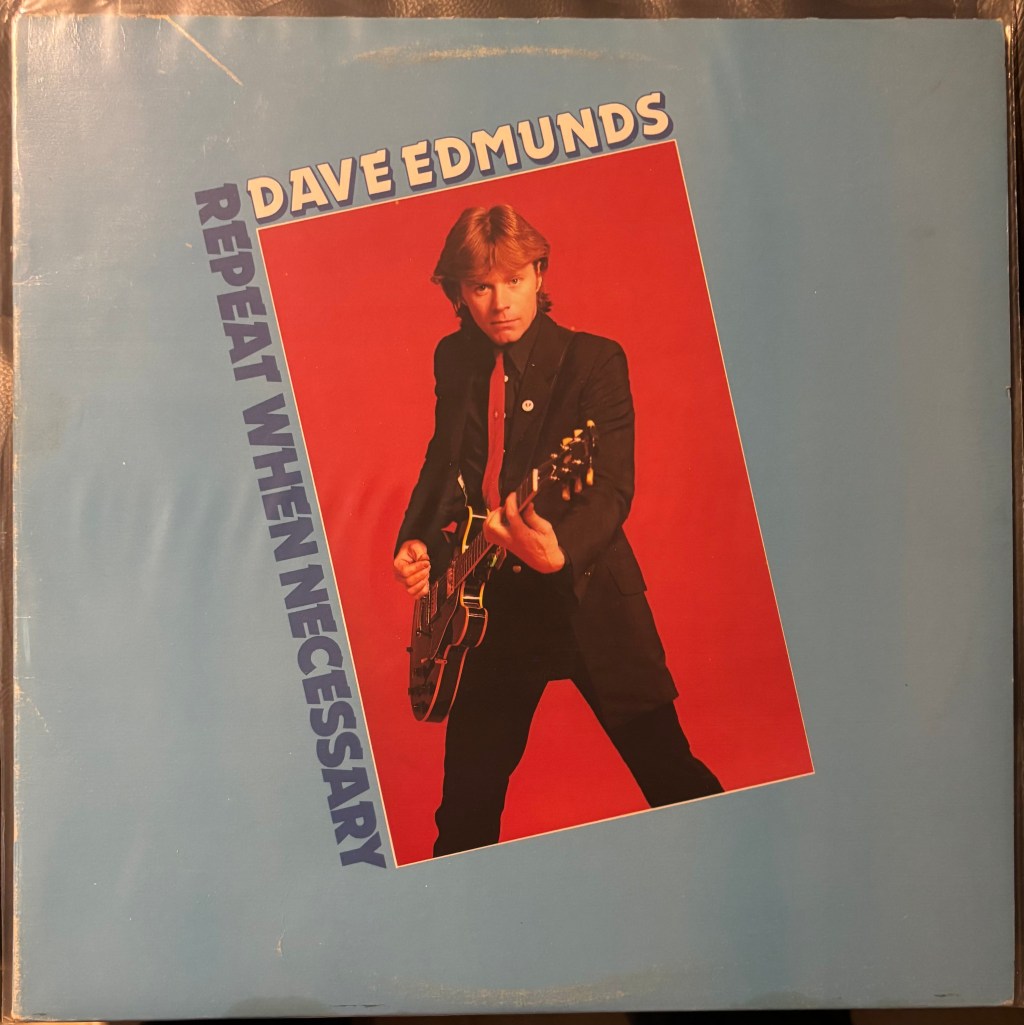
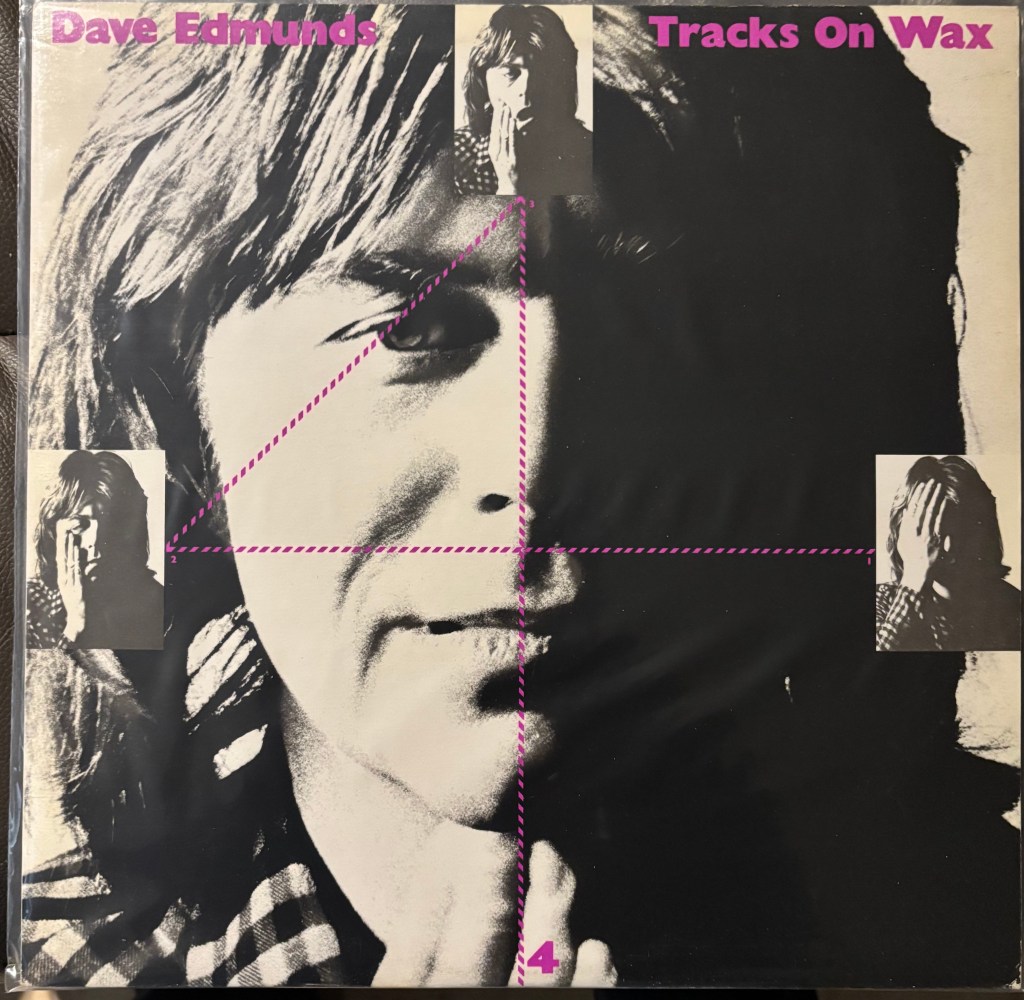
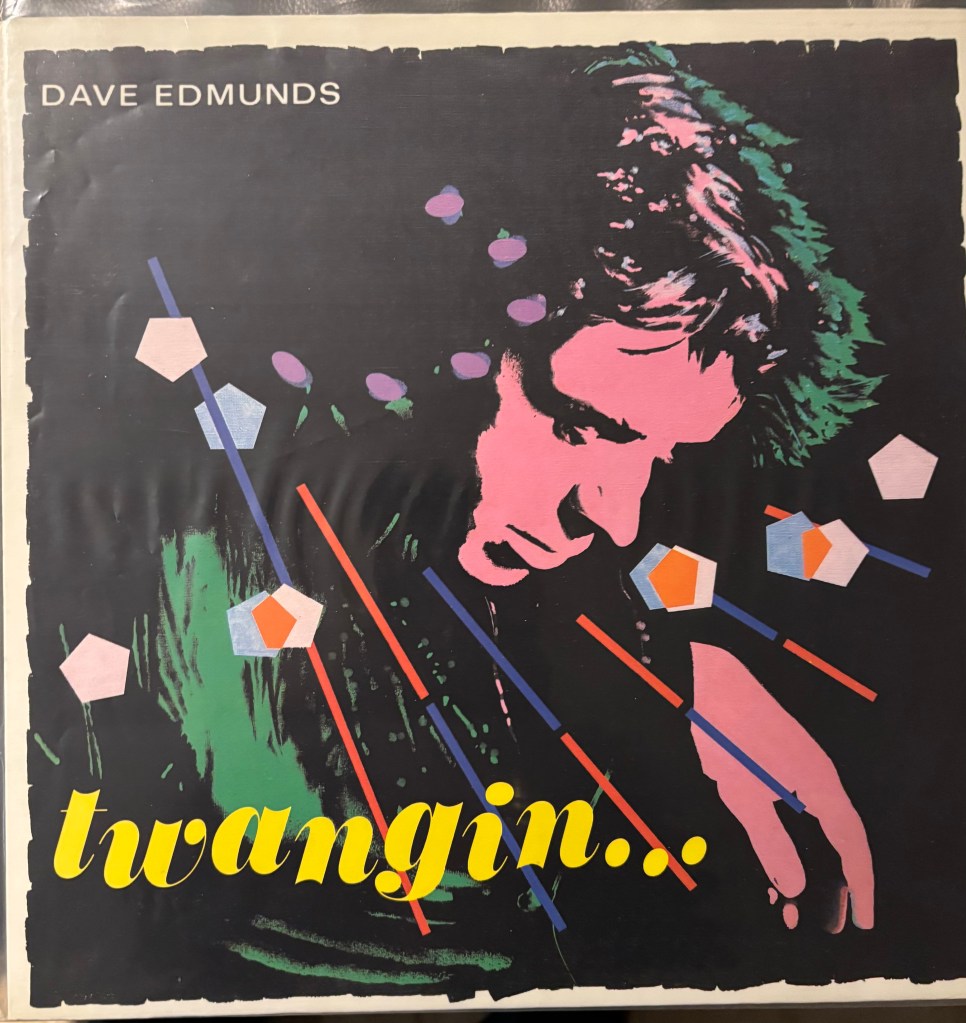
Rockpile recorded almost enough material for five studio albums, though only one, Seconds of Pleasure, was released under the Rockpile banner. Three other albums, Tracks on Wax 4, Repeat When Necessary, and Twangin…, were released as Dave Edmunds solo albums, and one more, Labour of Lust, was released as a Nick Lowe solo album. You can also find scattered Rockpile tracks on a few other Nick Lowe and Dave Edmunds solo albums. Additionally, Rockpile served as backing group on tracks recorded by Mickey Jupp in 1978 and Carlene Carter in 1980.
For a pub rock band that barely made a ripple beyond the shores of England, Rockpile were influential in the NewWave music scene in both England and abroad. I tried to make ripple and New Wave connect, but it was too corny, so I didn’t. I also find it interesting how interwoven the British New Wave scene was. Names like Nick Lowe, Dave Edmunds and Ian Gomme keep popping up, not only on each other’s albums, but also on the music of other artists.
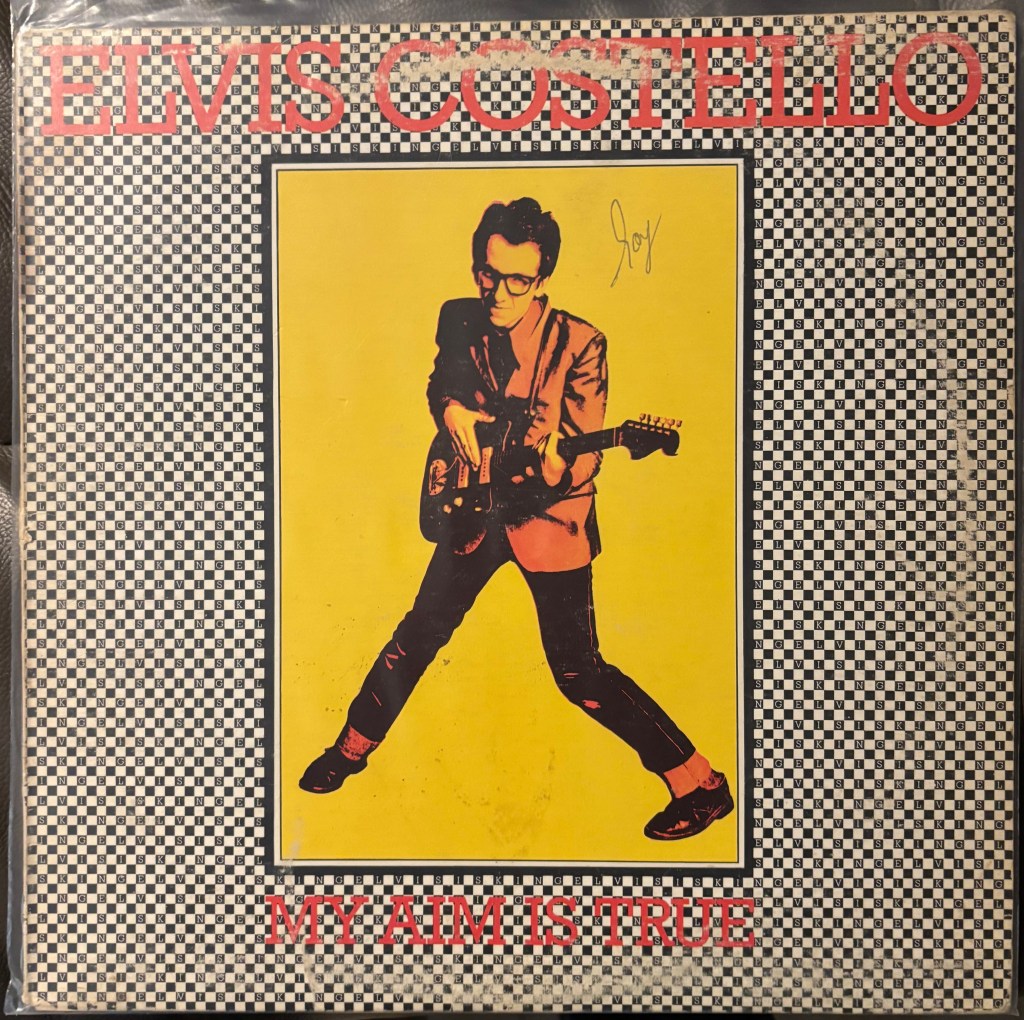
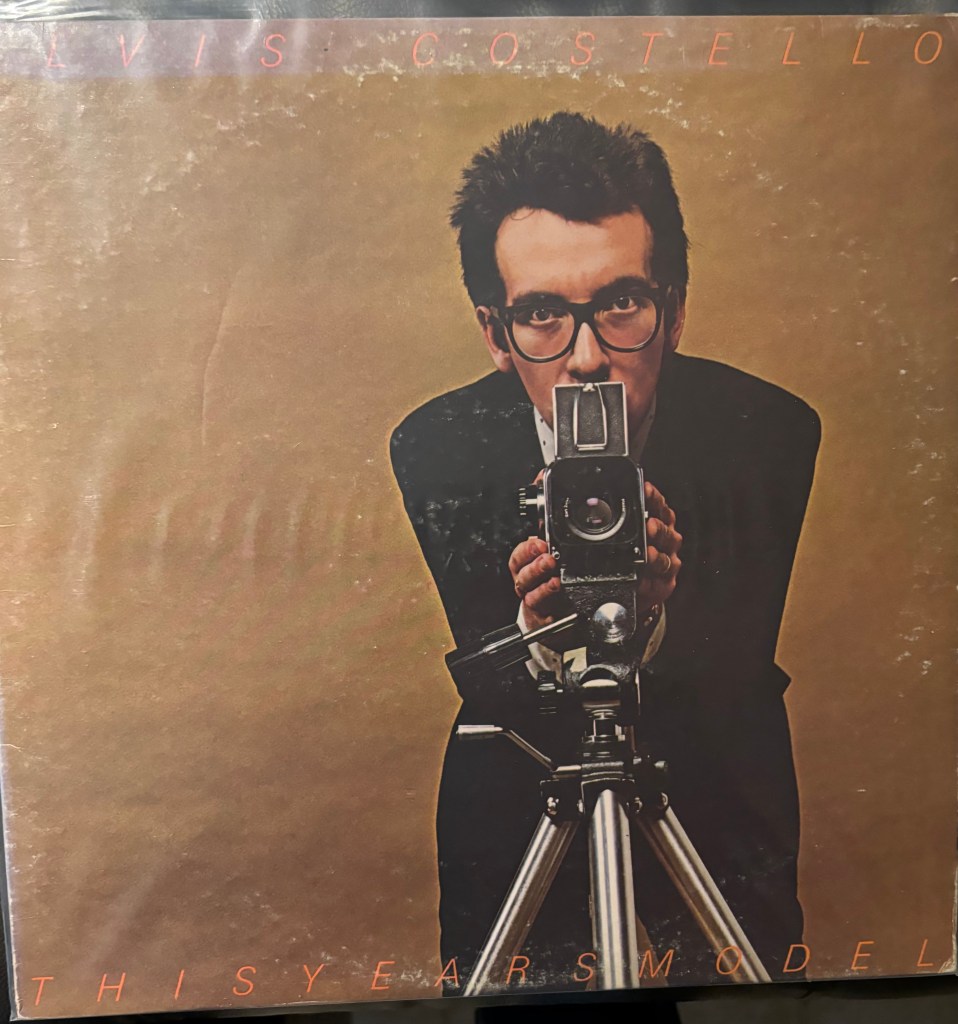
Nick Lowe produced Elvis Costello‘s first five albums, from 1977 to 1981, including My Aim Is True, This Year’s Model, and Armed Forces, which spun off numerous charting UK hit singles. Other artists Nick Lowe has worked with include Graham Parker, Johnny Cash, and John Hiatt, among many others.
Dave Edmunds had more UK hits during this time, including Nick Lowe‘s “I Knew the Bride”, Elvis Costello‘s “Girls Talk”, Hank DeVito‘s “Queen of Hearts” (later a larger, international hit for American country-rock singer Juice Newton), Graham Parker‘s “Crawling from the Wreckage”, and Melvin Endsley‘s “Singing the Blues.”
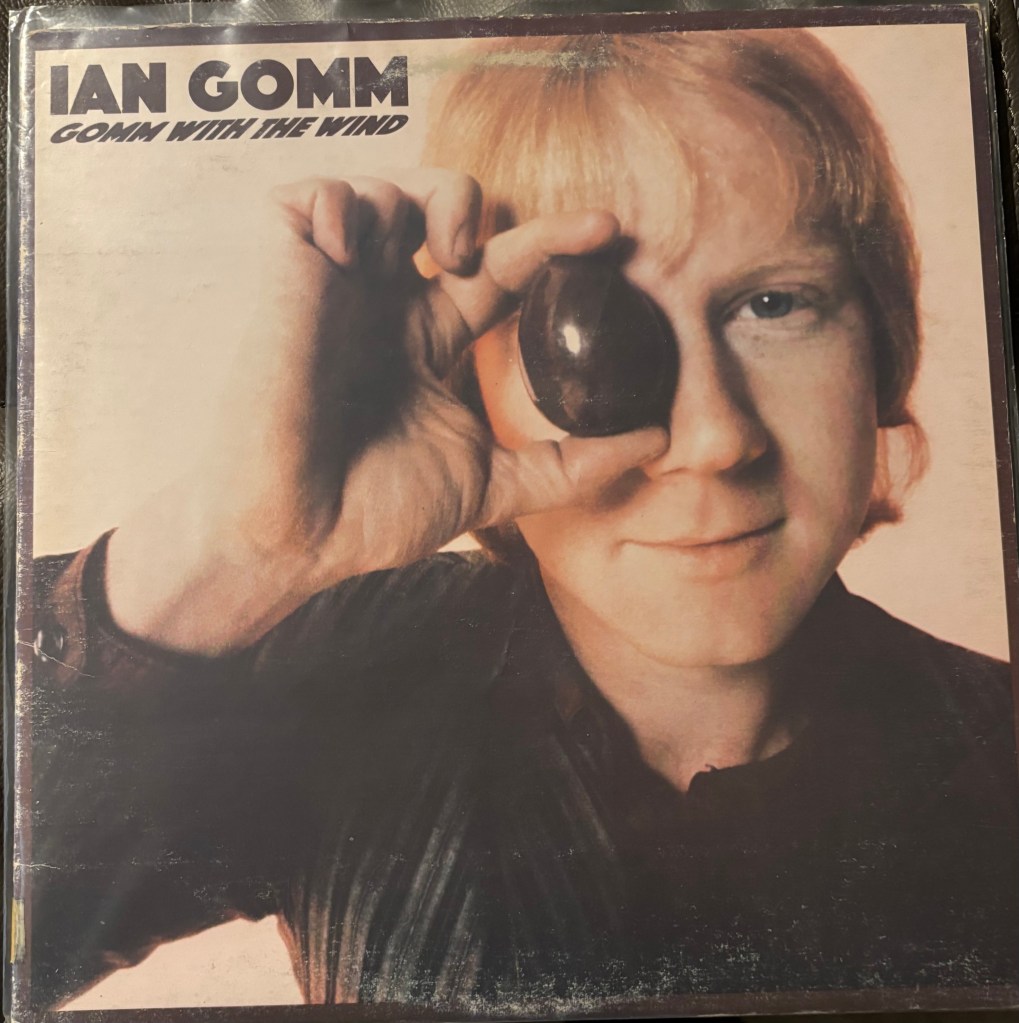
Ian Gomm has worked with Brinsley Schwarz, the Stranglers, and Alexis Korner. He also toured with Dire Straits on their Sultans of Swing tour.
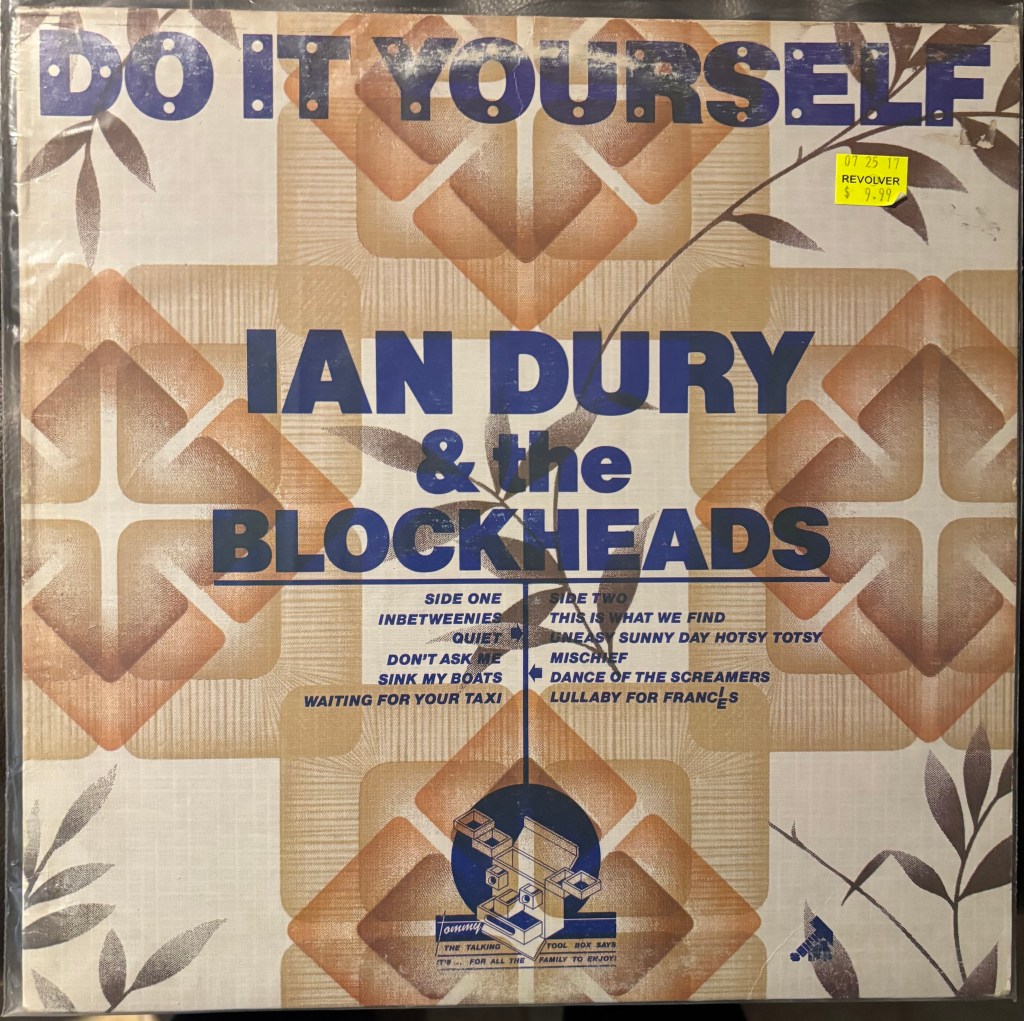
The run of New Wave number ones of 1979 began in January with Hit Me With Your Rhythm Stick by Ian Dury and the Blockheads, followed by Heart of Glass by Blondie, which topped the charts for four straight weeks through most of February.
Spring 1979 was to prove the high point of New Wave‘s popularity. March saw new music from Elvis Costello and Lene Lovich. They occupied the number two and number three spots with Oliver’s Army and Lucky Number, respectively. Elvis Costello had released three blockbuster albums, My Aim Is True in 1977, This Year’s Model in 1978, and Armed Forces in 1979. These three albums marked the start of a long and rewarding career for Elvis Costello that continues to this day. Much like Nick Lowe, I am infatuated with the first three albums of Elvis Costello’s career. He has released a lot of music between the late 70’s and now, but those three are seared into the musical part of my brain, or at least what’s left of it.
The North American New Wave music began trickling in during 1978; it was a bit behind the UK wave. Although less well defined than the British wave, 1978 still produced a few notable albums. Devo released their eponymous album, Q: Are We Not Men? A: We Are Devo! in August of 1978.
Blondie was a flag bearer for the New Wave music scene in North America, starting in New York and in the club scene at venues like CBGBs. Blondie were fronted by singer Debbie Harry and guitarist Chris Stein. Although the band started in 1974, the release of Parallel Lines in 1978 pushed them to the forefront of the nascent North American New Wave music scene.
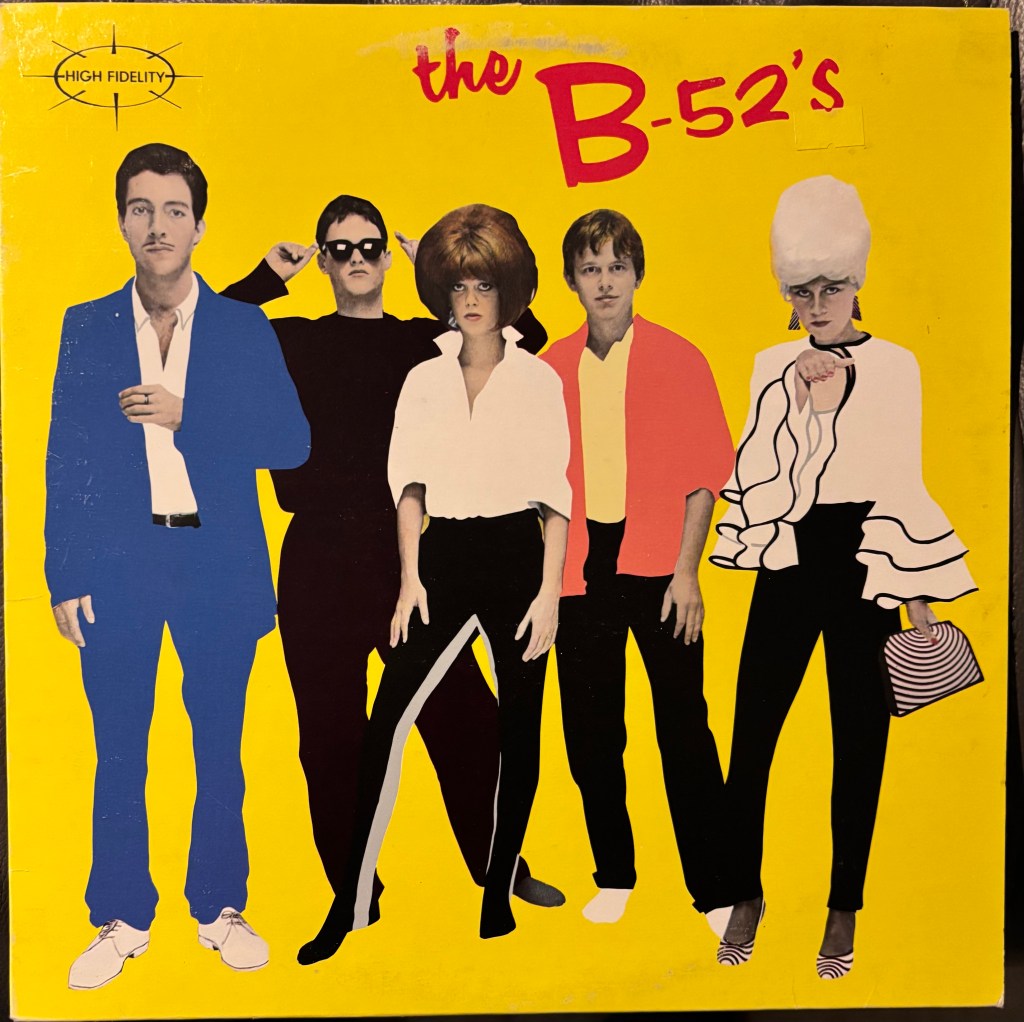
The B-52’s released their self-titled album in July 1979, which triggered a bevy of New Wave releases from American artists closing out the year. I have fond memories of skating in a roller rink while Rock Lobster flooded the room. The B-52’s is a very good listen; even today, it has aged well. The B-52’s have kept their band together, with an album in 2008 and a live show as recently as 2025.
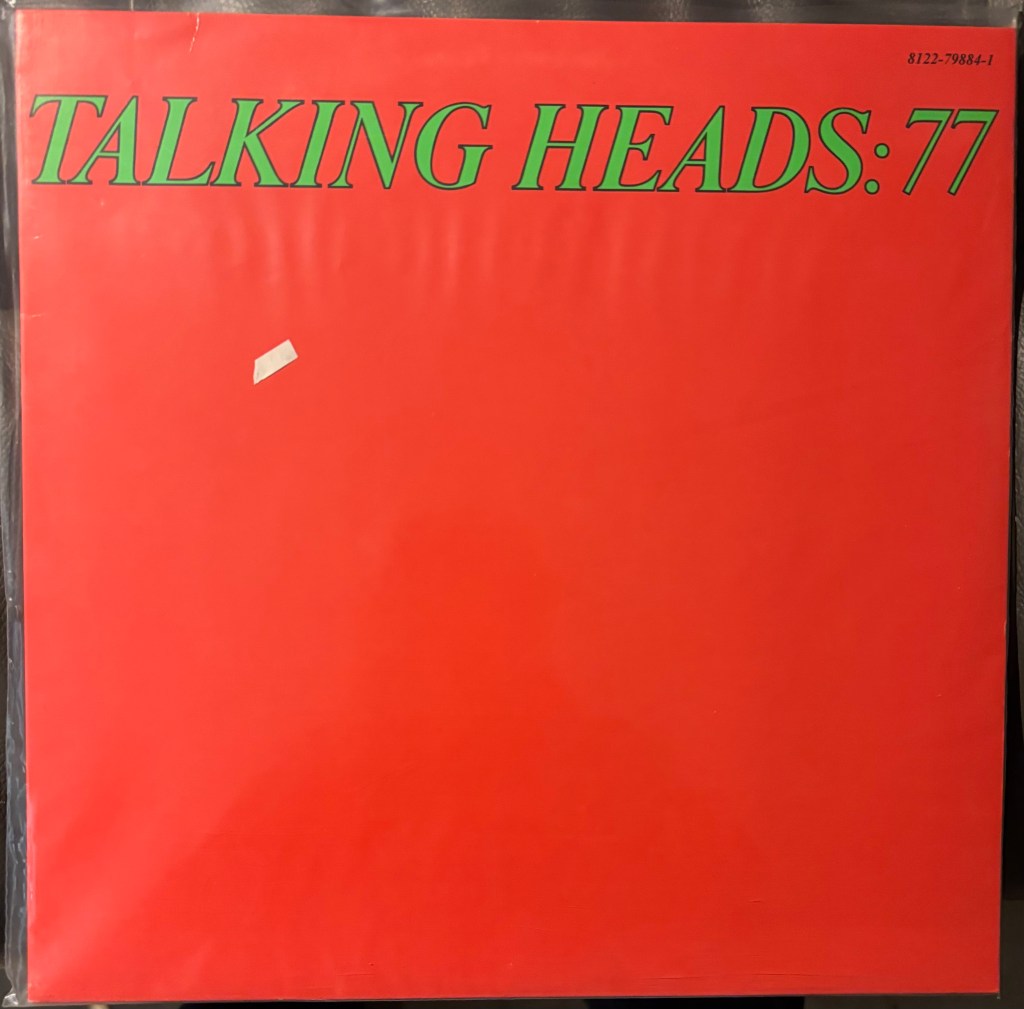
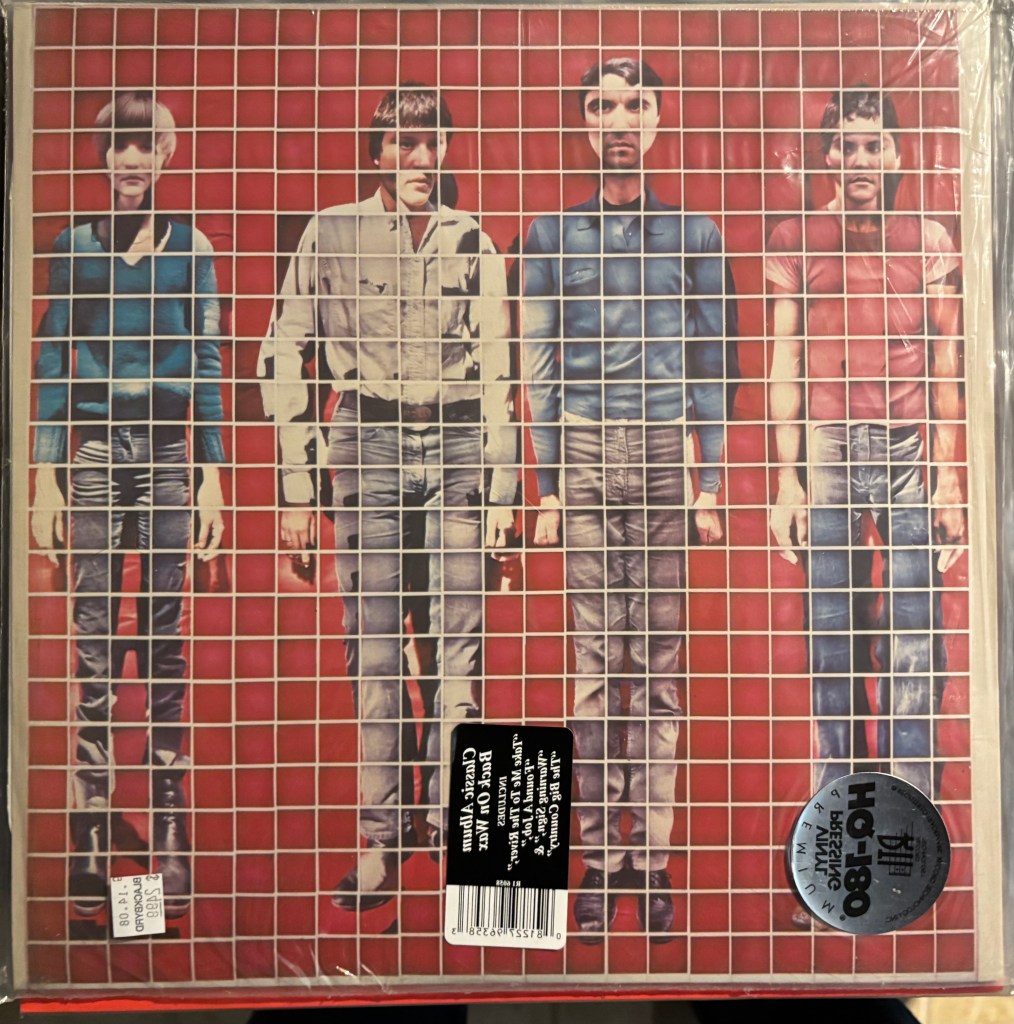
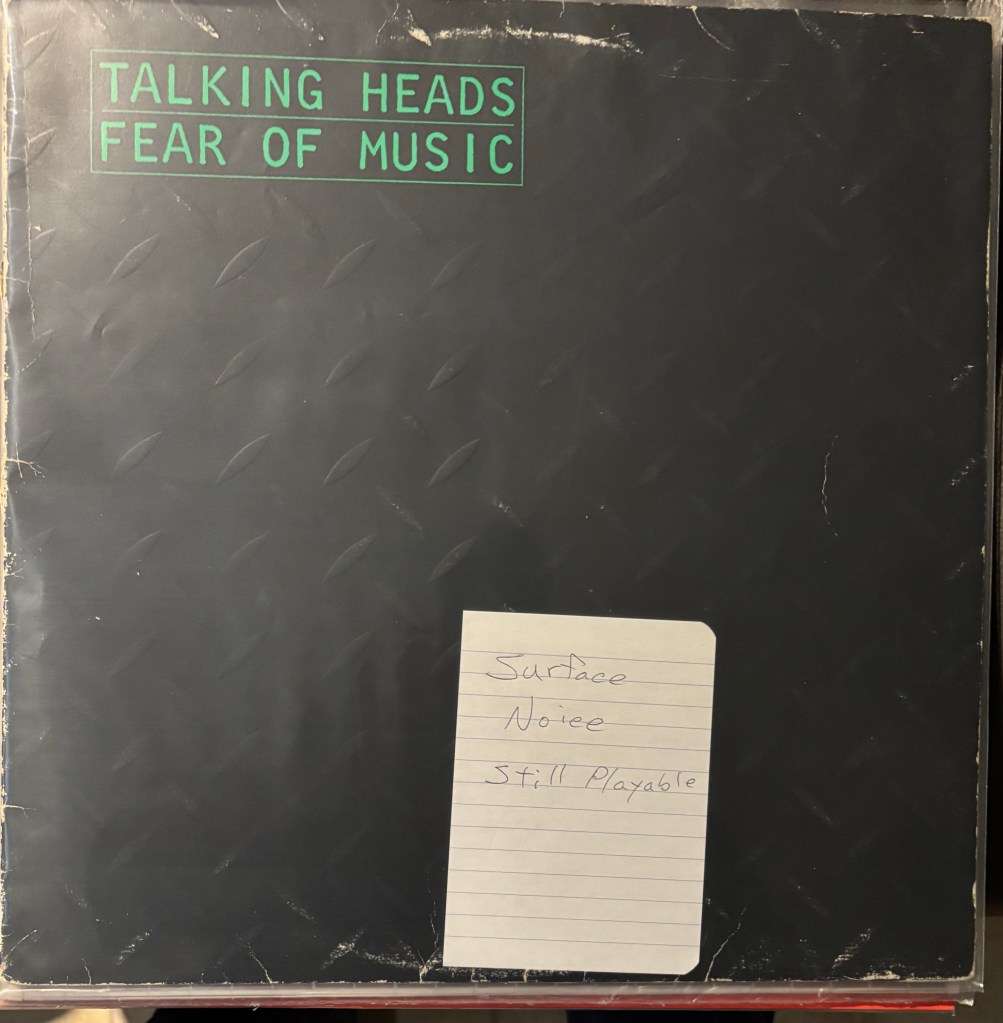
One of my desert island bands, The Talking Heads, were very active in the late 70s. In 1977, they released their debut album, Talking Heads: 77. More Songs About Buildings and Food arrived in 1978 and my favourite, Fear of Music,in August of 1979. I still remember buying Fear of Music and being so enthralled that I bought a cassette so I could listen to it in my truck. I was working as a surveyor, and we were roaming the back roads of Alberta doing well site locations; I had Fear of Music on constantly. Fortunately, my workmate liked music and didn’t complain about the endless Fear of Music. I recently saw David Byrne in concert and have watched him on TV; he still plays “I Zimbra” live.
I don’t know why, but those three acts are the sum total of my North American New Wave listening.
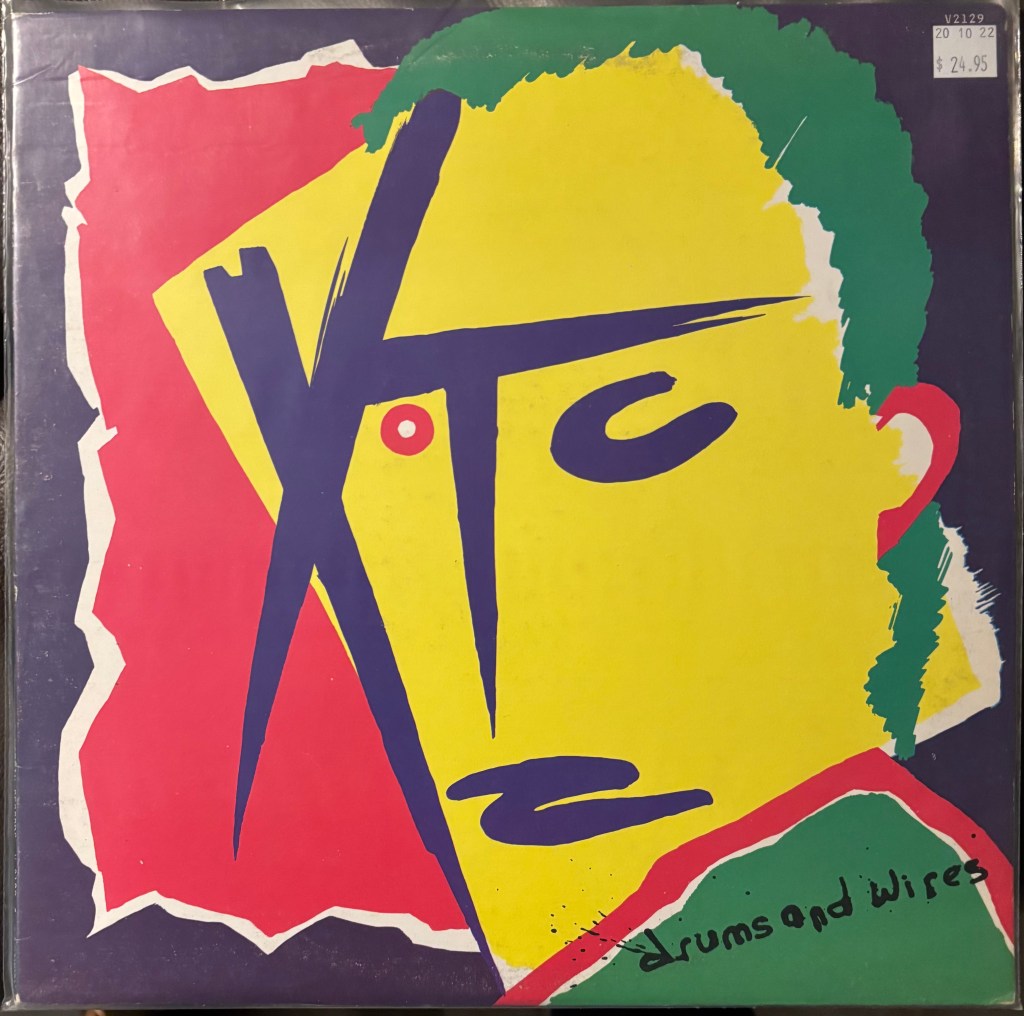
Back across the pond, excellent New Wave was still alive and well in the U.K. XTC released Drums and Wires in August 1979, with the hit single Making Plans for Nigel. Gary Numan released The Pleasure Principle in September 1979, with the hit single “Cars.”
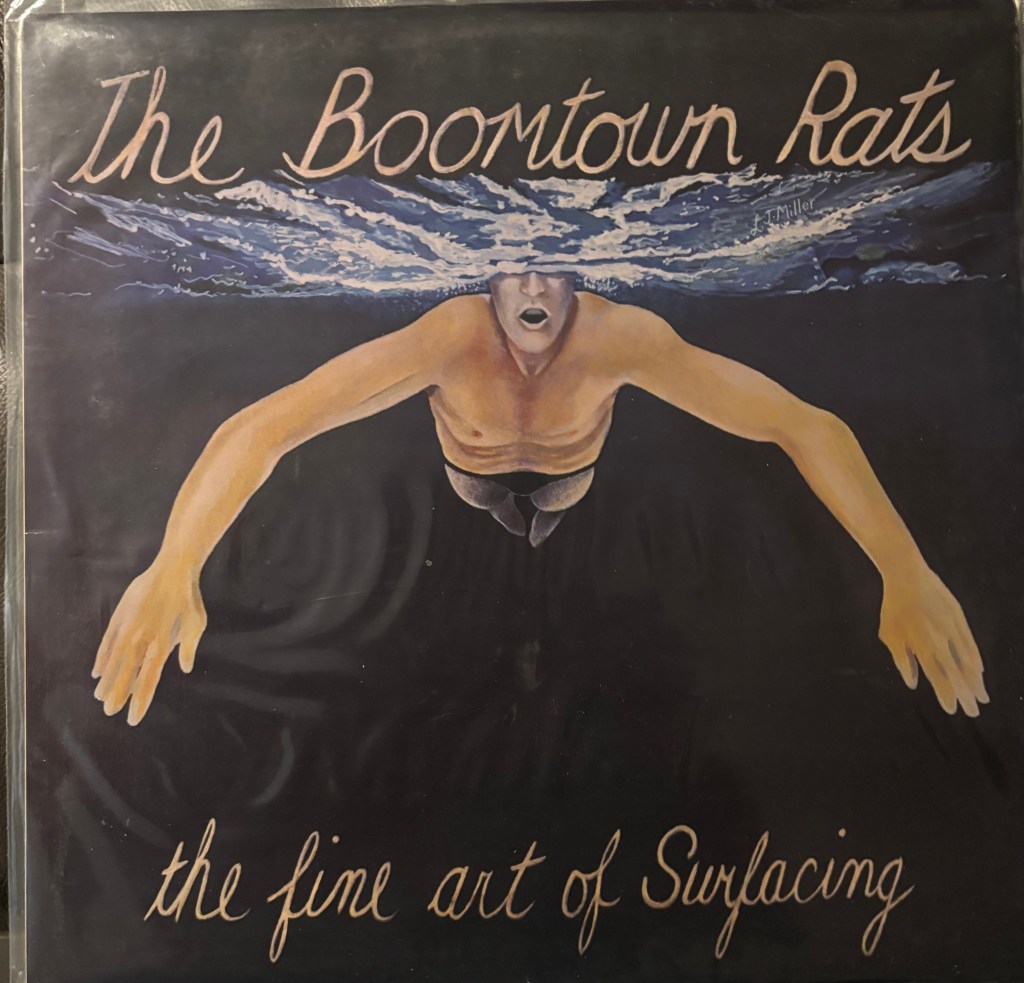
Over in Ireland, The Boomtown Rats released the record The Fine Art Of Surfacing in October 1979. That album had the hit single I Don’t Like Mondays. I saw them in concert in April 1980; it was a good show. It was also memorable because the chap that went to the show with me was so drunk he passed out about halfway through the show. I don’t know if he still likes The Boomtown Rats; I do, and I still listen to this album.
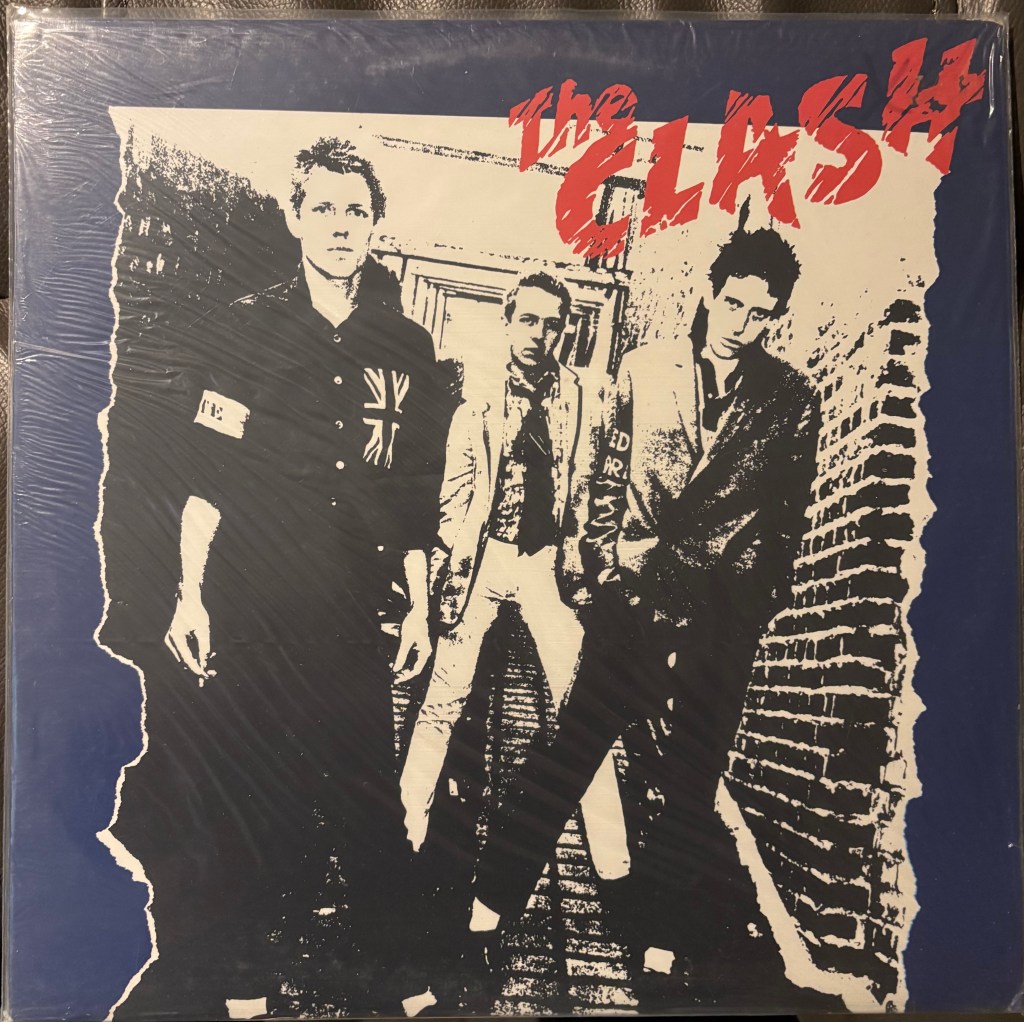
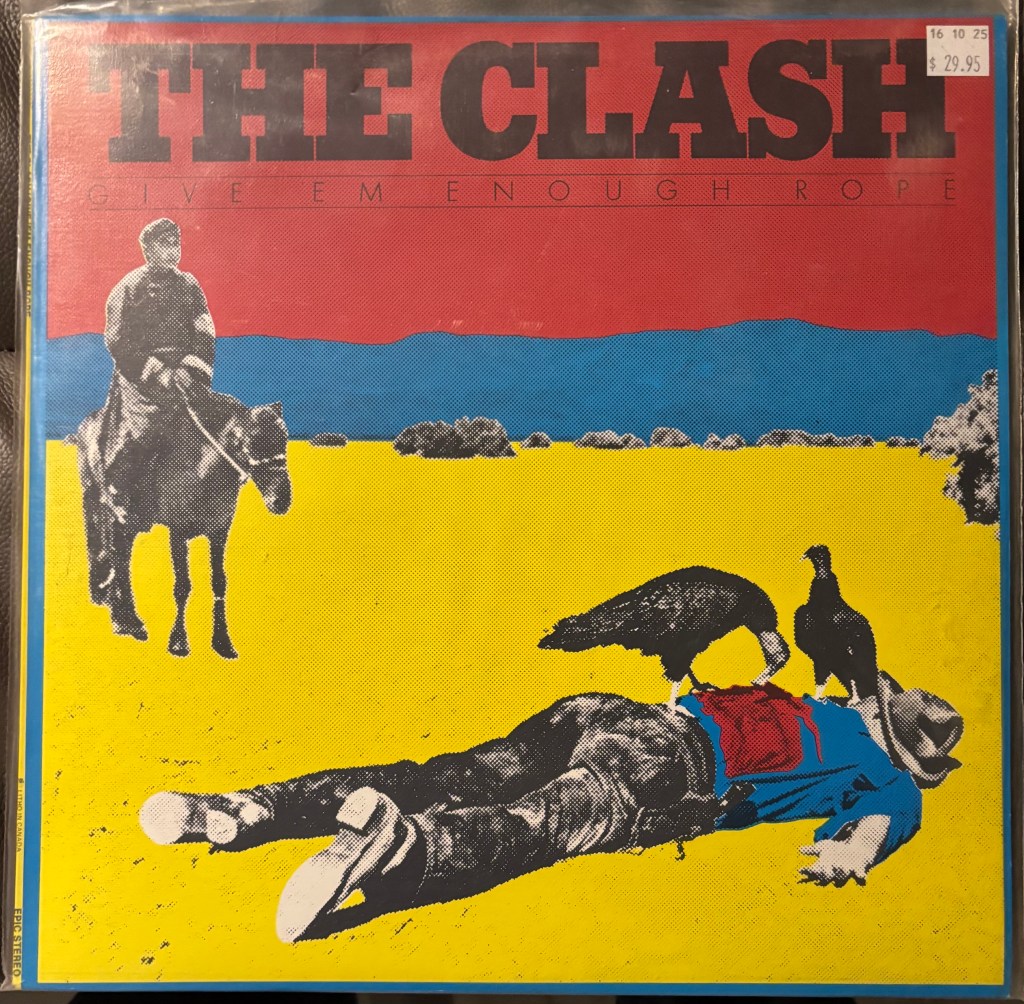
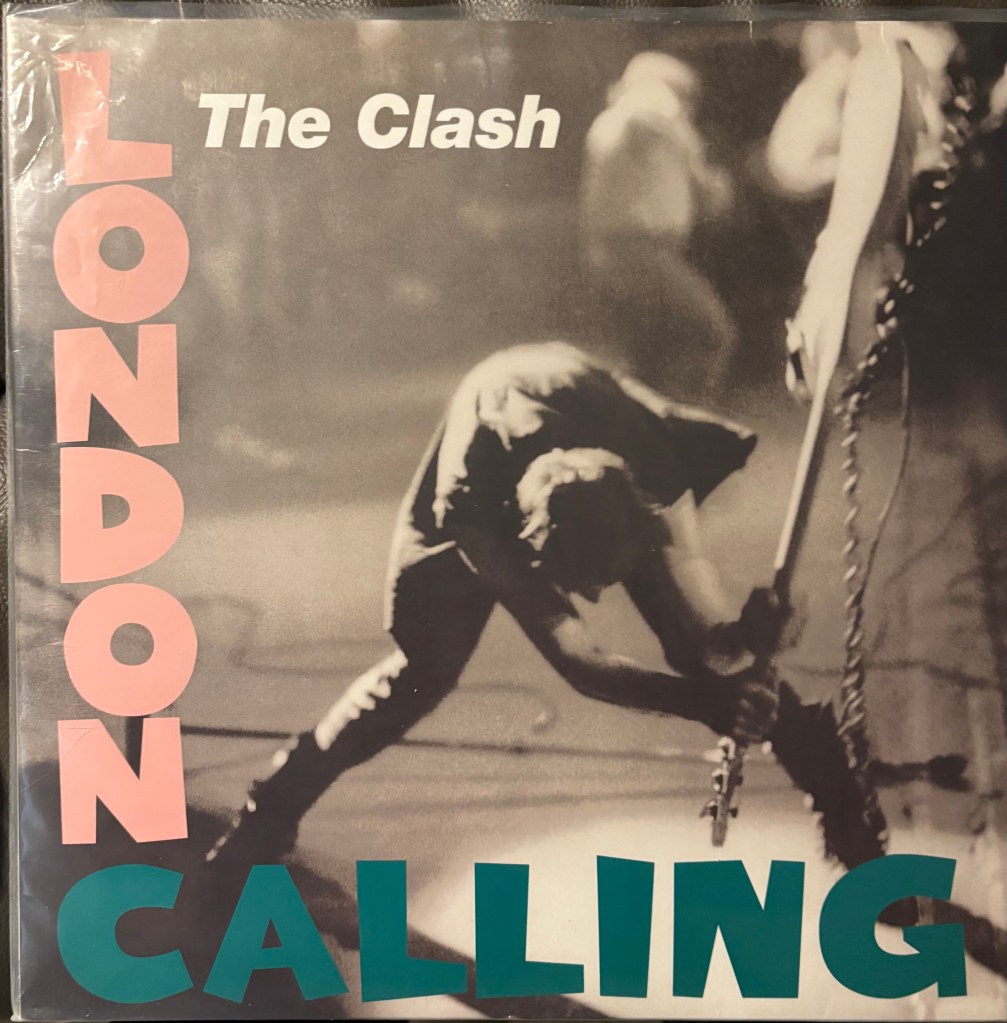
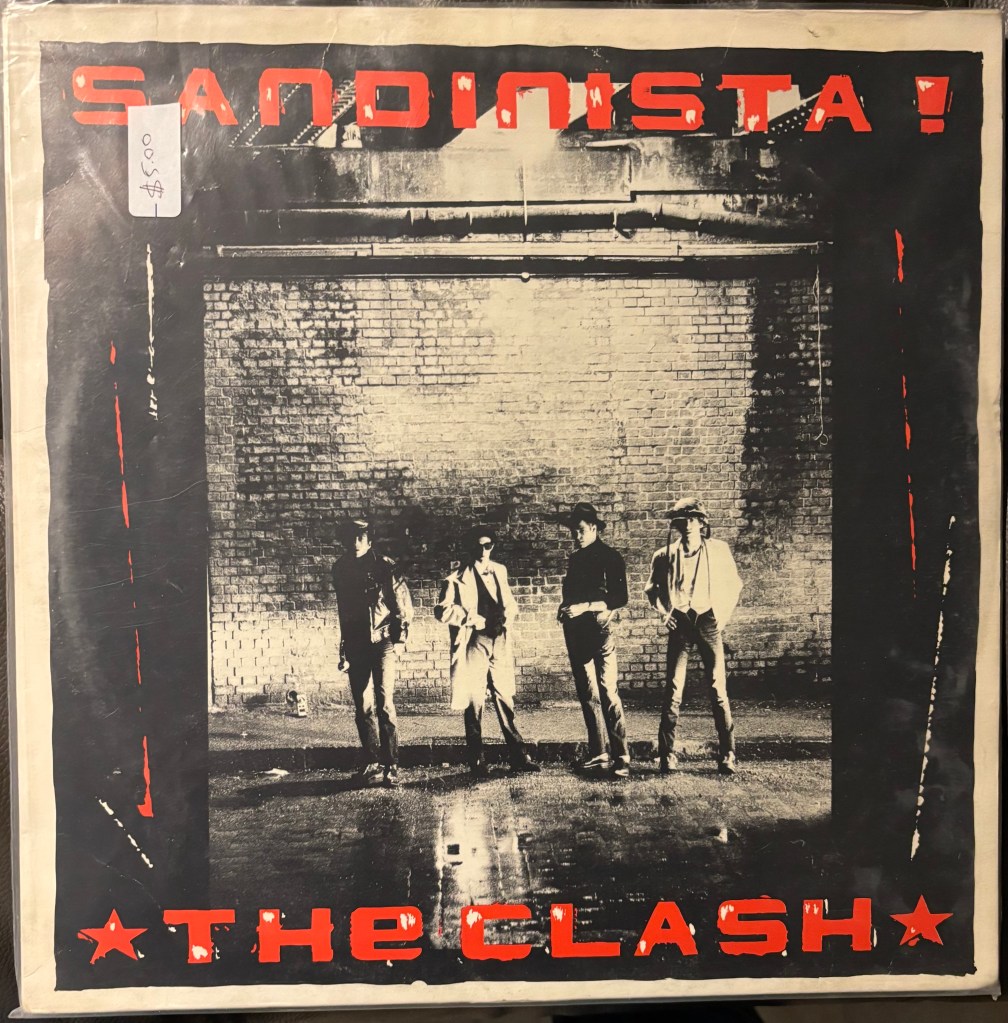
Finally, we close out 1979 and our short excursion through New Wave music with the huge album, London Calling by The Clash, released in December 1979. I had a short stint in a band, and London Calling was on our set list. I surrounded myself with musicians better than me and kept my volume knob set very low. The Clash had three great albums in quick succession: their debut, the eponymous The Clash in 1977, Give ‘Em Enough Rope in 1978, and London Calling in 1979. I couldn’t pick just one; I listen to all three frequently. Taking a step into the future, they also released Sandinista! in 1980. Listening to all four of these albums in one sitting is not a venture for the faint of heart. While The Clash and Give ‘Em Enough Rope are single-disc releases, London Calling is a double album and Sandinista! is a triple album. While The Clash are often labelled a punk band, I think they are also a New Wave band. They took their music into many genres, including punk, New Wave, reggae, dub, funk, ska, and rockabilly. Putting a label on them for just one branch of music means pruning the other branches from their tree; it can’t be done. They have many roots and many branches, and that is what makes them a good band to end this blog with.
New Wave was born in punk rock and power pop but grew to encompass a broad palette of genres. While the edges of New Wave may be fuzzy, the foundation was always the 7” singles of 1960s pop music. New Wave gave birth to true stars of music such as Elvis Costello, The Clash, and The Talking Heads. While the wave had largely moved on during the 1980s, its influence can still be heard in today’s grunge and alternative bands. I fell in love with New Wave in the late 1970s, and that passion has endured to this day. I think I’ll have a coffee and listen to some music to end this blog. Thanks for coming along for the ride.
Discography:
Nick Lowe – Pure Pop For Now People – March 1978
Dave Edmunds – Tracks on Wax 4 – September 1978
Nick Lowe – Labour of Lust – June 1979
Ian Gomme – Gomm With The Wind – July 1979
Elvis Costello And The Attractions – Armed Forces – January 1979
Ian Dury & The Blockheads – Do It Yourself- May 1979
Dave Edmunds – Repeat When Necessary – June 1979
Devo – Q: Are We Not Men? A: We Are Devo! – August 1978
Blondie – Parallel Lines – September 1978
B-52’s – S/T – July 1979
Talking Heads. – Fear of Music – August 1979
XTC – Drums And Wires – August 1979
Gary Numan – The Pleasure Principle – September 1979
The Boomtown Rats – The Fine Art Of Surfacing – October 1979
The Clash – April 1977
Give ‘Em Enough Rope – November 1978
The Clash – London Calling – December 1979
Sandinista! – December 1980

