Where Spirits Play

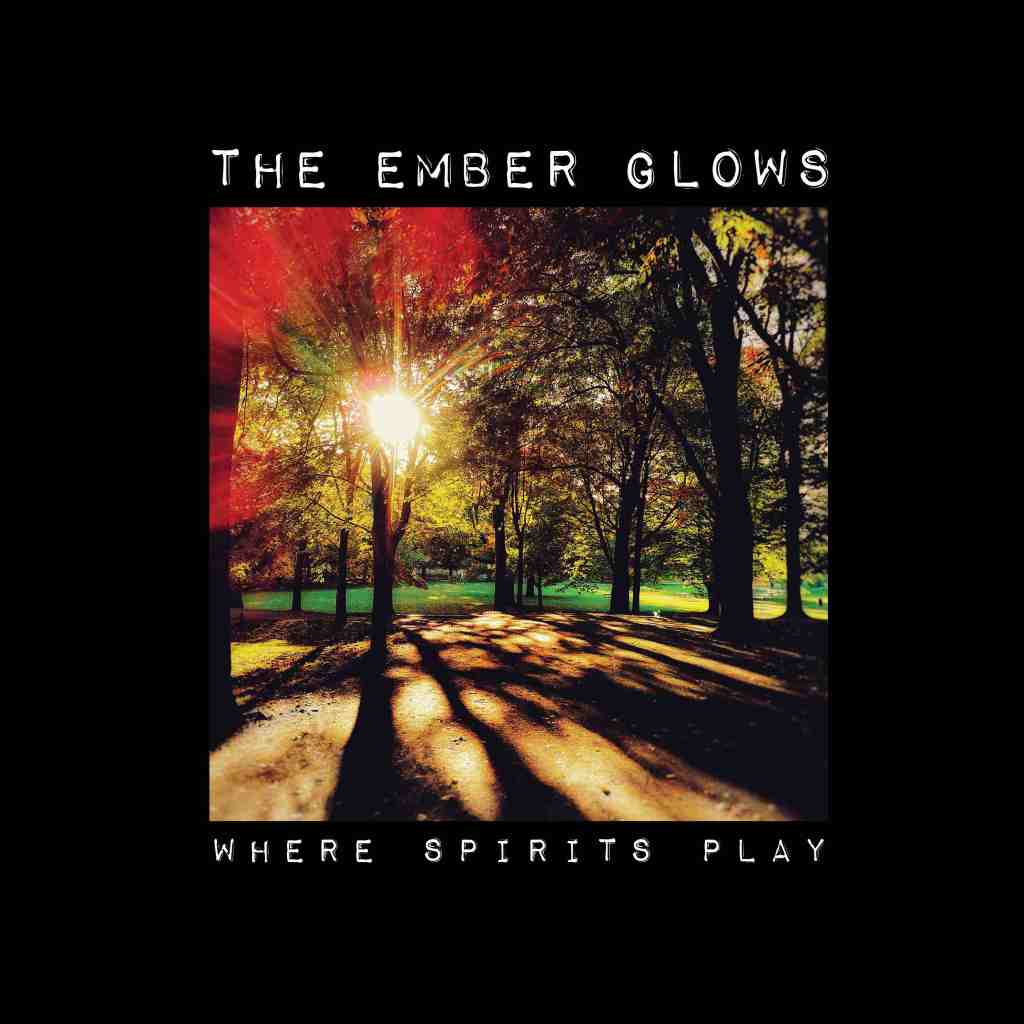
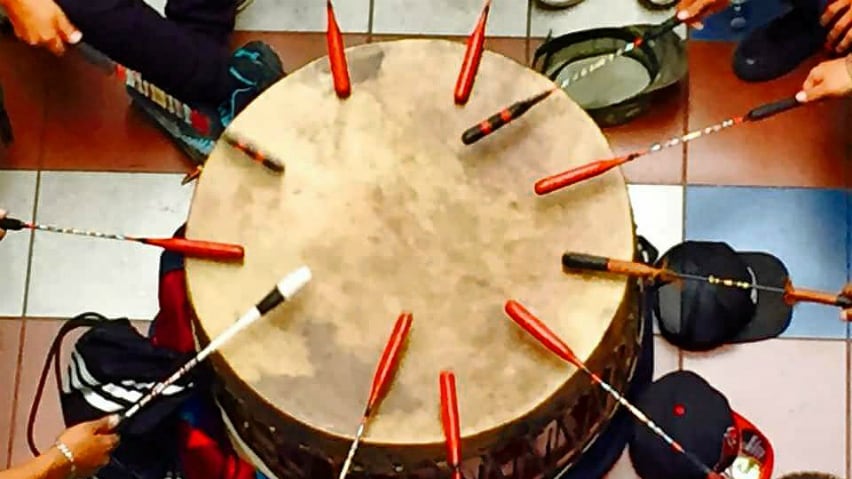
From the opening grinding dirty guitar, this record had me hooked. The Ember Glows are from Montréal, so I have a shimmer of hope that they may tour Canada and play a gig in my hometown of Edmonton. Until then, I am enjoying listening to their new EP Where Spirits Play. I am listening as I write this blog, and I think it is appropriate that today is Sunday, and there may be Spirits Playing around me. They are playing through my speakers, and I enjoy what I hear.

Montréal has a special place in my musical memory banks. From November 1969 to August 1972, I flew through Montréal several times a year. If I had time to kill between flights, I would take a cab over to a mall that wasn’t all that far away, and there was a great little record store in the mall with a cool guy working there who played some excellent music and influenced my musical life.

I wish I could meet that gentleman and thank him for his contribution to the history of music in my life and the tendrils that stretched out to touch the lives of others. I was introduced to Déjà Vu by Crosby, Stills, Nash & Young on the in-store record player. That album blew me away in 1970 and still gets frequent airplay by either my son or me. I also bought The Court of the Crimson King and the triple album of Woodstock in that store. I wonder if that store is still open.

Whoops, this was supposed to be a blog about the recording Where Spirits Play by The Ember Glows, who hails from Montréal. It wouldn’t surprise me if I were able to walk into that little record store and hear Where Spirits Play on their turntable. And I wouldn’t be surprised if I bought it right then and there. Where Spirits Play isn’t Déjà Vu. Yet. Give it some time, and we can get together and see if it stuck to us over the span of 50 or so years.

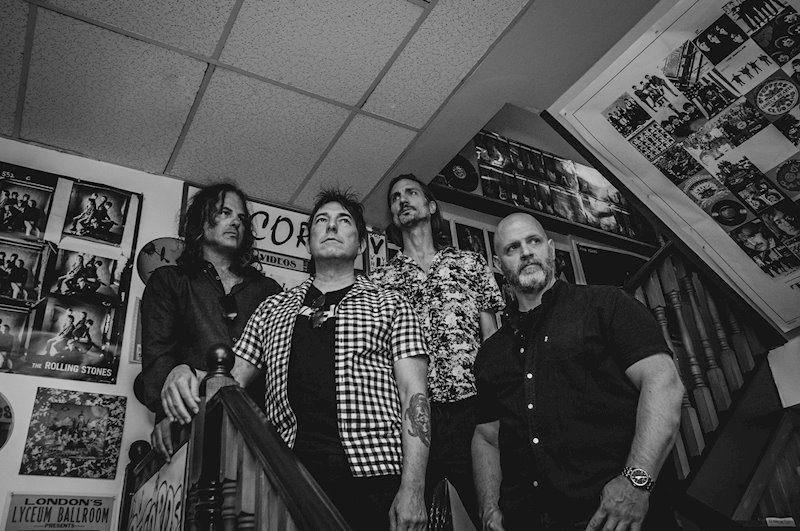
The Ember Glows came together as a band in early 2019 by the glowing embers of several Montreal-based indie artists. Room Control, REPO, Scene Noir and CitylakeThe Ember Glows get their buzz from Richard Bunze on guitar, Kevin Hills thumbing the bass at our ears, Martin Saint does double duty on both vocals and guitar, and last, but not least, they have Dan Stefik doing precision percussion.

Speaking to us regarding the single The Mirror, released as a single ahead of the EP, “This song is about how most nations carry skeletons in their closets – even the so-called peaceful ones. Sooner or later, we must face the weight of history and the past hits us hard collectively. We don’t shy away from difficult subjects, but neither do we wish to preach or claim to know better than anybody else. Such sensitive topics have to be handled with delicate taste and utmost respect,” says frontman Martin Saint.

“The lyrics are only a personal reflection that came about some two years ago after some of my work in association with APTN (Aboriginal Peoples Television Network), but prior to the ghastly Canadian Residential School mass grave revelations. Musically, this kind of subject matter needed something driving, yet hypnotic enough, to really drive the point home. The song slowly builds up until we explode as a full band.”

There are only four tracks on this EP, but I put it on repeat and can not count how many times it has gone around that loop. It reminds me of cassettes. Just keep looping them until they are permanently etched into our memory banks. I can’t think of any bands That The Ember Glows sound like; they have multiple influences that tastefully get mixed in, but they have their groove going, and I can only say with certainty that they sound like The Ember Glows. I get the feeling that they would be an incredible live band. All of the songs on this EP run over four minutes and could easily jam into a gig that would bring the house down. The closer High Fever is one song that I could see them jamming on as a closer for their live show. 

The EP ‘Where Spirits Play‘ will arrive on September 23 and be available from all fine digital stores, including via Bandcamp, where it can already be pre-ordered. I wish shipping weren’t so damn expensive. I would be buying their physical music in a flash. Don’t let that stop you from enjoying their music. It sounds good digitally; I just like physical music. It probably has to do with buying records and cassettes since those heady days in Montréal. May you rock on and be happy listening to your format of choice.

Lannie Flowers

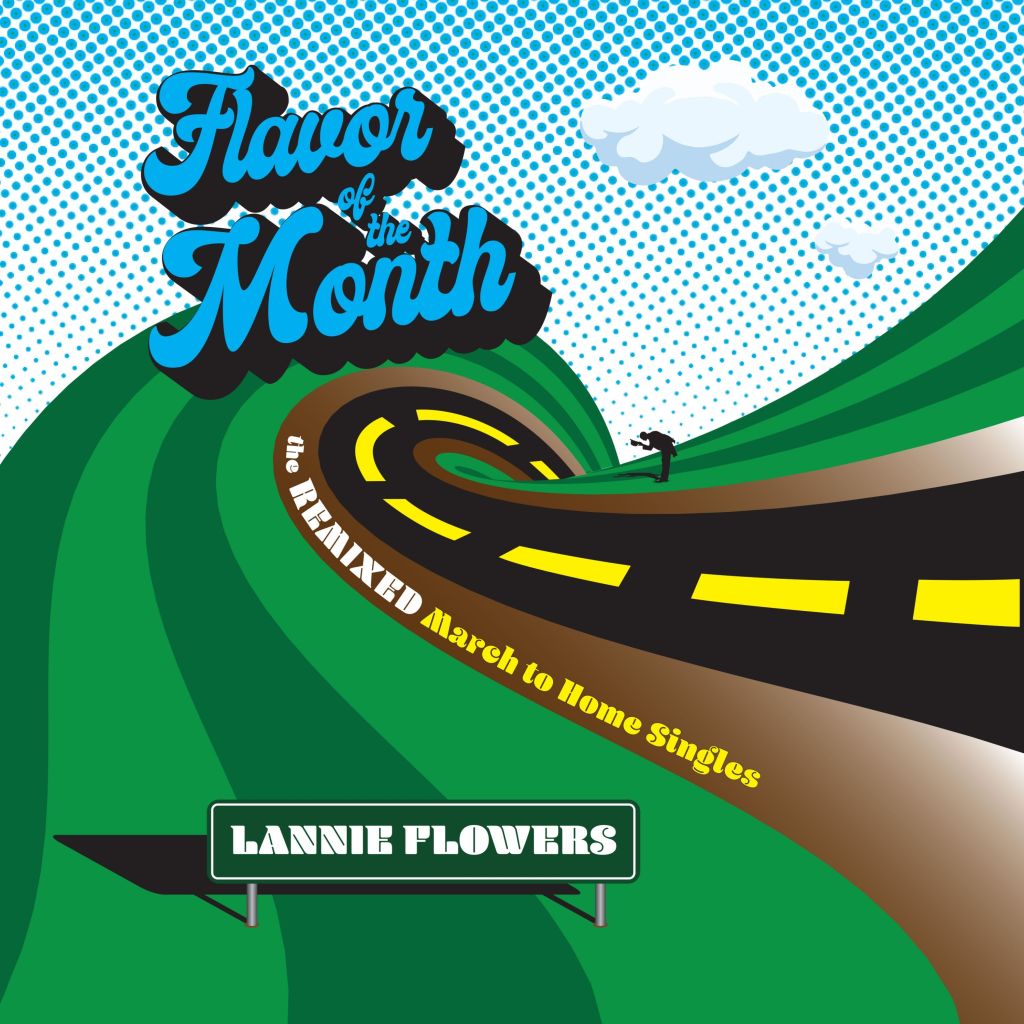
Come on, Lannie, “Don’t Make Me Wait,” “Lost In a Daydream.” Sure, your music is “Good,” and it chases the “Summer Blue“(s) away. I want this album, Flavor* of the Month, to be “The One,” the album that helps me to “Let Go” of summer and wonder, “Where Did All The Fun Go?” 14 songs and all of them are flavors of the Month, “What Did I Know?” I watched the stars fight to shine through the “Day Glow All Night.” Light pollution ain’t bad out in the boonies, and I am “Doin’ Fine,” how “About You?” There are garage sales that will try to sell you “Anything But Love” up and down “My Street” until I flop in a chair on my “Front Porch.”

I thoroughly enjoy listening to Lannie Flowers and the Flavor of the Month. Flavor* of the Month is an album full of radio-friendly tunes. I can easily imagine hearing this 30 years from now on our local blast from the past radio station.

Lannie Flowers makes music that draws from the soundscape of The Beatles, Joe Jackson and …

What the hey, just read this:

https://www.bigstirrecords.com/lannie-flowers-spyderpop-records

listen to this…

and watch this:

LANNIE‘s acclaimed early 2022 release FLAVOR OF THE MONTH is arriving on vinyl September 30, in a deluxe package that includes an exclusive new CD featuring the original, completely different mixes of the album’s tracks. The FLAVOR OF THE MONTH LP/CD package is up for pre-sale now at www.bigstirrecords.com and most online music retailers now, and on record store shelves worldwide as of the street date, with the new single and video “Lost In A Daydream” signaling the highly anticipated arrival of album on wax.

The LP package itself is a thing of beauty, as expected from SpyderPop Records and their in-house designer Dan Zimmer: a gatefold jacket, with song notes from Lannie and the original artwork from all the singles inside, and more. The CD, entitled THE ORIGINAL MARCH TO HOME SINGLES COLLECTION, features the single mixes of 13 of the 14 Lannie Flowers tracks that became the new record (and one one exclusive Holiday-themed treat). These versions are true exclusives: the tracks will not be available on streaming services, and the CD is only available in the LP package!

As for the story behind the singles that came together to create Flavor of The Month (released on CD and Digital in February of 2022) in their all-new remixed versions, that’s a tale in itself, told in detail when the album bowed in CD and Digital forms this past February. 

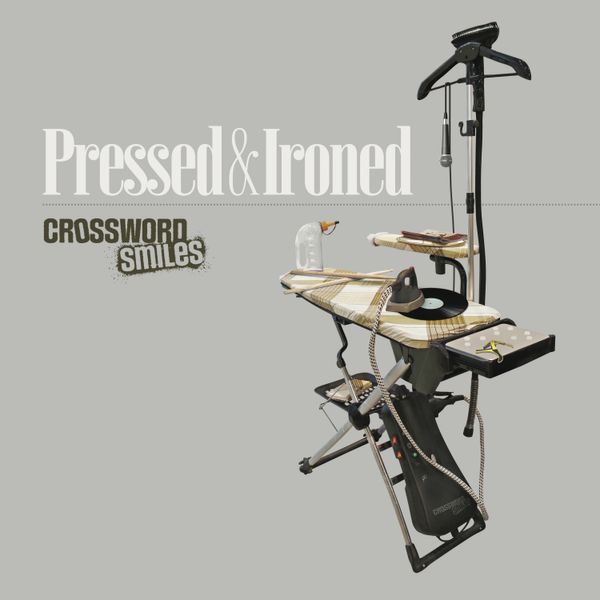
Crossword Smiles

CROSSWORD SMILES is a new band, and it’s a new sound even for the the deeply respected Michigan-based guitar-pop stalwarts at its core. The band was quietly formed two years ago by TOM CURLESS, formerly of Your Gracious Host and currently enjoying solo success, and CHIP SAAM, best known as the bassist for The Hangabouts and Curless’s backing band The 46% and the host of the indispensable Indie Pop Takeout show on Neighborhood Weekly Radio. The impulse behind the new collaboration? A pure and simple wish from a pair of like-minded music fans to hear something different.

The shape of that “something” was suggested by (but not limited to) the thrillingly diverse sounds of ’80s college radio. Think, perhaps, of the endlessly inventive ways in which the pop form was twisted into new forms of stark, clean-guitar beauty by the likes of XTC, Aztec Camera, the dB’s, or R.E.M. at their early peak. That’s not the full story, though: Crossword Smiles is born not of genre purism, but rather the unerring instincts of Curless and Saam for drawing on their mutually encyclopedic and eclectic knowledge of rock’s full and rich history to create something new, just as those bands had done.

And so while the overall sound and evocatively conversational lyrical approach of Pressed & Ironed might suggest a great lost Crowded House album – particularly on the gorgeous lead single “Parallel Lines” and the eerily angular-yet-lush shuffle “October Leaves” — there’s much more at work beneath the surface. When discussing the songs of the record, Crossword Smiles will cite inspirations as diverse as Steely Dan (Curless’s guitar solo on “Lines”), Rockpile (the whole of the deceptively direct “Where’s The Sense”) and The Replacements on both the opening “Feet On The Ground” and closing “Take It On The Chin”. You can hear textures evoking everyone from The Modern Lovers to Talk Talk rubbing shoulders from track to track, or even within the same song. And the eclectic but completely consonant nature of the album owes everything to the band’s genesis in a music-geek conversation between Saam and Curless after wrapping a recording session for Tom’s last record. As he tells it:

“So, here we find ourselves, sidled up at the bar like a few regulars, sipping our quickly warming beers at an Ann Arbor saloon. Between exchanging glances with the insanely busy bartender, we are extolling the virtues of Joe Jackson’s Look Sharp. The stark, simple beauty of The Go Between’s 16 Lovers Lane and the sharp songwriting on Freedy Johnston’s This Perfect World. Another common point of reference was The Cars, their knack for melody, musicianship and that infectious new wave energy. Often, in our mind at least, in different ways all somewhat overlooked bands or artists that we don’t hear anyone sounding like anymore. We fell into talking about putting together a project where we could try to replicate or at least in our own way pay tribute to these types of artists.”

And sure enough you’ll get a Cars-like rush from the driving “Lotus” (best experienced as the opener of Side 2 on the vinyl LP). “This Little Town” is indeed an unmistakable nod to The Go-Betweens, albeit one that somehow evokes both the Grant McLennan and Robert Forster sides of the ledger equally. Johnston’s vibe is all over the pedal-steel-and-open-snare sonics of the beautiful “Walk Softly”. And we haven’t even mentioned the sweetly wry jangle-rock character sketch “Second Guesser”, with its spiraling Television-like guitar leads courtesy of Saam’s Hangabouts bandmate Greg Addington. Or the brilliantly-titled “The Girl With A Penchant For Yellow”, which is probably the only song you’ll hear this year to mix equal parts of The Who and Split Enz and spike the resulting cocktail with a dose of vocoder.

But as much as Pressed & Ironed leans into those influences, it doesn’t sound precisely like any of them. Nor does it line up exactly with the superb back catalogs of either of its two chief architects. It’s something completely new. Would it have sounded completely at home on college radio circa 1985? Hell yes. But what Crossword Smiles have crafted on their debut is maybe even more vital on today’s melodic rock scene where too many bands are sheltering in the shade of the the same weather-worn Merseybeat and power pop touchstones. The record amply demonstrates that there’s more than one way to hang a hook… and the indie pop world is already richer for having CROSSWORD SMILES in it.

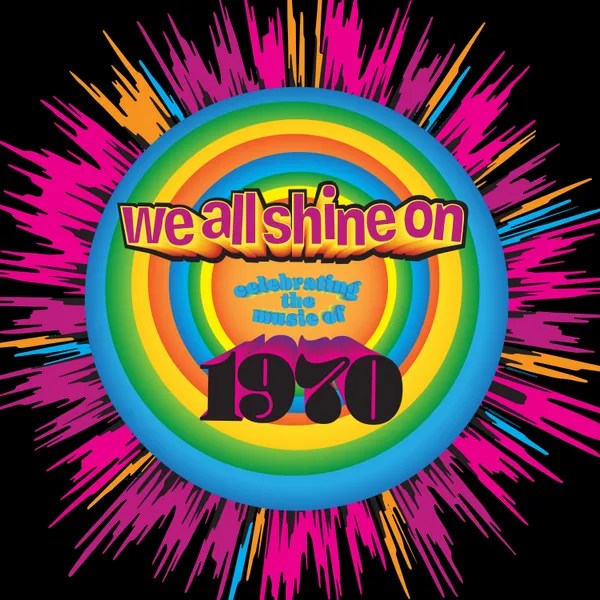
We All Shine On: Celebrating The Music Of 1970

Are You Ready? This anthology starts with a question. Are You Ready? I almost missed a decent listening experience because I wasn’t ready to give it a fair and honest listen, and a little research got me over that hurdle.

When I first encountered the collection of songs known as ‘We All Shine On, Celebrating the Music of 1970,” my first impression was that this was just one more in a long history of generic cover songs. I put the CD on while I did some work, and it languished in digital limbo for a couple of weeks.

As the release date came and went, I decided I needed to give this an honest chance of standing on its own, so I dusted off the dust cover and listened again. And I am glad that I didn’t let a dour first impression paint the CD in bad lighting. As I listened, I started gleaning gems and nuggets from the various artist’s fresh renditions of some of the radio-friendly songs from 1970. Now, I do have a question for Big Stir Records. Why did you pick 1970? That was 52 years ago. Maybe you started the project in 2020, but it took two years to get it up and running. Nah! You guys and gals don’t work that way. I guess it’s just me, I like round numbers, and 1972 was an excellent vintage for the music world.

Back to the present, Twenty Twenty Two. I listened again and cursed at whoever decided to include Yellow River in this collection of songs. I don’t hate the song. I don’t have a vendetta against The Armoires; they are talented and have made way more music than I ever have. The problem is not in quality. The issue pertains to the phenomena of earworms. For some reason, Yellow River gets stuck in some deep crevasse of my brain folds, and it is challenging to heave out once it gets settled in. I am listening to the song as I write this, and I can guarantee that it will be in there for the rest of the evening unless I bombard it with something heavier—Iron Man, perhaps.*

They aren’t Black Sabbath, but The Archies were a staple of my music listening in the ’70s. I have fond memories of driving with the windows down, ‘Sugar Sugar” on the radio and my hair blowing in the wind. Fast forward to 2022, I open the sunroof, turn up “Sunshine,” freshened up and given a little edge by Sparkle Jets*U.K. and long for the good old days when I had enough hair to blow in the wind.

Ah, the good old days. Arizona by Mark Lindsay gets a bit of an R&B/Pop sensibility courtesy of Darian. I love the bass lines that they gave Arizona.

Didn’t I (Blow Your Mind This Time) a huge hit for The Delfonics? It was released in late 1969 but charted in 1970 at number 3 hit on the Billboard R&B singles chart and number 10 on the Billboard pop chart 1970. Mitch Easter gives this Philly Soul song a makeover that takes it in a new direction entirely. I’m not quite sure if I like it or not. Anyhow, it is what it is. Give it a listen and post a comment of your take on this song, or any other for that matter.

Sheet, this blog with be a book if I keep adding a paragraph for every song; there are 22 of them. So, here is what I did. I made a playlist with each song from this collection, We All Shine On: Celebrating The Music Of 1970. I then found the original takes and stacked them, the original and then the cover. It was then that I was able to fully appreciate how special each of these covers is and how much some of them actually changed. From my first impression of generic covers to a deep appreciation for every song on the release, boy was I ever wrong. This is window down, volume up, cruising main street music.

https://bigstirrecords.com/home

“Everything Is Beautiful,” every song on this release is beautiful; come on, you can shell out a few bucks to buy the CD or the digital release and support some really good musicians and a top-drawer record company, Big Stir Records.

*Yup, I got the earworm for Yellow River as I relistened to it. Ten Years After, A Space In Time knocked it out.

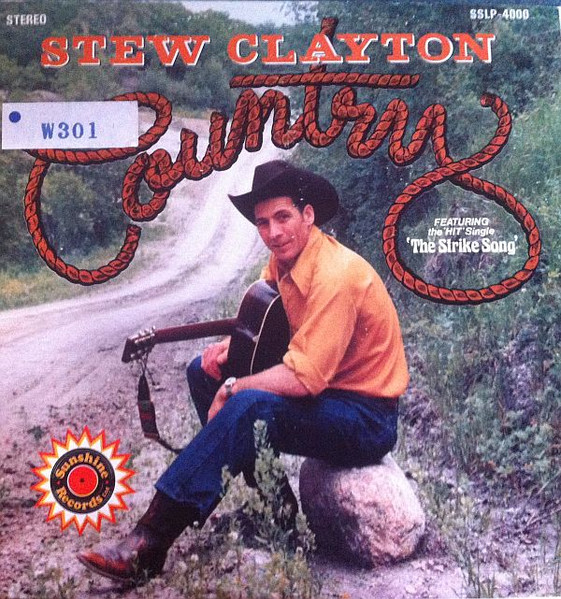
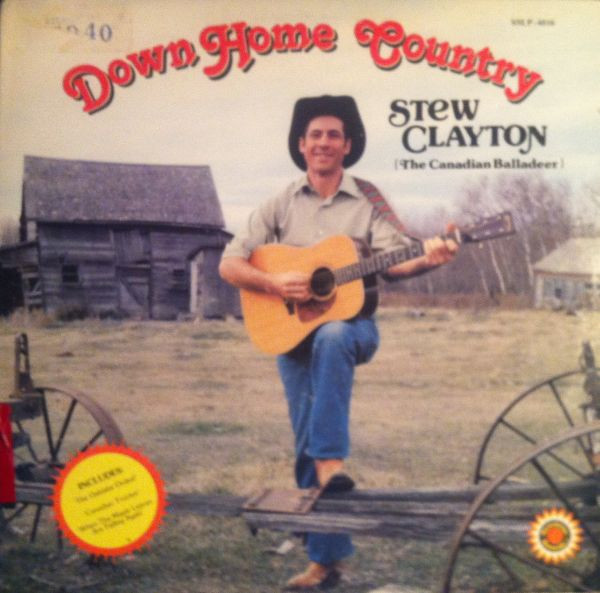
Stew Clayton

A Legend. Stew Clayton has been recording music with Sunshine Records since 1974. He will always be known as the “The Yodeling Cowboy.” Stew Clayton sings old-time country reminiscent of the greats Wilf Carter and Montana Slim. He also plays and sings similarly to my Dad, and some songs had me singing along like he was in the room with me. I couldn’t find much information about Stew Clayton, but I know he is an Eleven-time World Championship Yodeller.

This video gives a lot of insight into his life and just about every small town across Canada, and it certainly brought back memories for me and the stories my Dad told of his youth. A good example is a story of riding a horse to school and back; I have photos of my Dad on his horse.

insert

Stew tells of being spell-hearing Wilf Carter on the radio and how that radio played such a large part of life back then. Television wasn’t as prevalent when I was growing up, I remember riding the train from Hinton to Vancouver to visit my cousin Wayne, and I discovered Saturday morning cartoons. I was glued to the television, much to the chagrin of Wayne. 

We listened to the radio frequently. I can remember listening to hockey night in Canada on the radio. Family and social outings often had musicians playing, but I was not one of them, I have pictures of playing guitar with my Dad, but he was the musician. I often played my solid body with the amp turned off so I could play along but not sound out of place.

Radio was also where we heard music from people like Wilf Carter and The Carter Family. CFCW became Canada’s first full-time country music station in October 1960, when Curley Gurlock, Mr. D.J. USA of 1957, started on CFCW. 1961 saw the frequency change to the one on every farmer and rancher truck radio, 790 CFCW.

Playing these records by Stew Clayton was a nice walk down memory lane. I was humming and occasionally singing along and playing each record twice for good measure.

A Legend. Stew has been recording music with Sunshine Records since 1974. Stew is most well known for his ground breaking albums the “The Farmer Volume 1” and “The Farmer Volume 2”.

Stew has recorded over 16 albums with Sunshine Records. He will always be known as the “The Yodeling Cowboy”

Stew Clayton sings old tyme country in the style of the greats, Wilf Carter and Hank Williams.

“The People I Meet Are So Beautifully Strange”

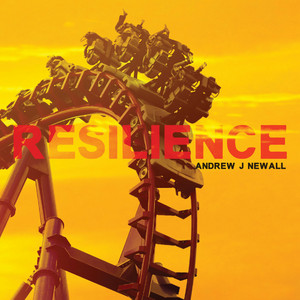
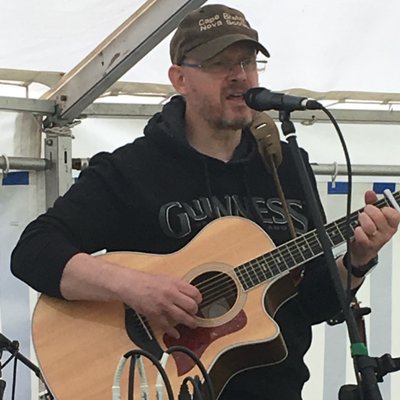
The Isle of Barra isn’t far from Tarbert on the Isle of Lewis and Harris, where my paternal great-grandfather was born. Andrew J. Newall finds inspiration when he spends time there. Andy is a talented musician that has released his third full-length album, Resilience.

My talent lies in listening to music. In my experience with playing music, I have found that no matter how many guitars, amps or effects pedals I buy, I still can’t play music. Apparently, I need to practice, which, alas, is my downfall.

It is readily apparent that Andy does practice; he makes music that is smooth as silk and lyrics that pull the listener into the song. Once again, I have the privilege of listening to an artist who tells stories through the medium of music.

The opening track, James and the Lost Ticket, sounds happy and has the line “dreams often can come true”; however, a note of sadness is riding along. The song tells the story of two chance encounters on a railway train. The first instance is the storyteller, James, sitting with Andy on a train, and “without much prompt,” James told his story to Andy. James road the trains each day, hoping to find a train passenger he had met, she had written her name and number on a train ticket that James secreted away in his shirt pocket. Alas, he had lost the ticket and now rode the trains each day, hoping to find her again. This song is an excellent introduction to the album and beautiful stories of Resilience and Andrew J Newall. Andy says this song deals “with the realization that opportunity only knocks once.”

For track three, The Waiting Room, I recommend having a box of tissue paper handy. Any song with the word cancer is bound to be emotional, and The Waiting Room is no exception. Despite the dread of cancer, one line caused me to break into a smile. Read the signs on the Dr.s door. Look around the room, count the tiles on the floor. Trepidation etched on each face.” I have been in more doctors waiting rooms than I care to count, and this line struck my funny bone, so bored that I count the tiles on the floor. Andy says, “dealing with the death of a significant person in your life. Again, the music is bright and lively, not giving in to the solemn nature of the critical topic of “support to a relative with cancer.” I am particularly attracted to Andy’s cadence; good stuff folks

The song “Never Free” tackles the topic of racism, and it does so in a perfect manner through this brave and honest song. This song challenges us to look at the people around us differently. Never Free. Never Free. Never Free.

Following on its heals is “And I Smile,” which caused me to smile. “And I Smile” is a top-of-the-charts song, that has stayed at number one for 7 days. Andy can honestly say that he has a top ten hit. Good stuff, I love it.

The People I Meet Are So Beautifully Strange,” That line alone should vault Andrew J Newall into the waiting room for a Nobel Prize for literature. That fantastic line is from the song My Friends, a beautiful story.

I would recommend the title song just for the music. Some good-sounding licks are going on in the track. The lyrics are equally good, but I am drawn to the poems on the strength of the instruments. Percussion starts the song, and when the lyrics arrive, some tasty guitar licks propel the music forward. “When things get on top of you, you feel that you can’t take much more pressure from every side. Step inside another room, find some quiet space to sit, calm down, and give yourself a break.” Inside the quote above is my reinterpretation of Andy’s words.

There are more great tracks on this album, and you should treat yourself to a musical present this week for the excellent work you have done at home and in the office. The light and breezy lyrics that Andy lays down and then envelopes in catchy tunes that aren’t aren’t just about being in love or falling out of love. There is a level of intimacy that challenges us, the listeners, to move beyond the Billboard top of the charts and listen to some intelligent lyrics enveloped in gorgeous music. I would love to spend an evening with Andy. Listening to his songs and the slice of life stories he builds into these fantastic songs. To steal a snippet of music from Kris Kristofferson. Andrew J. Newall is a poet, and he’s a picker who tells excellent stories through the medium of music.

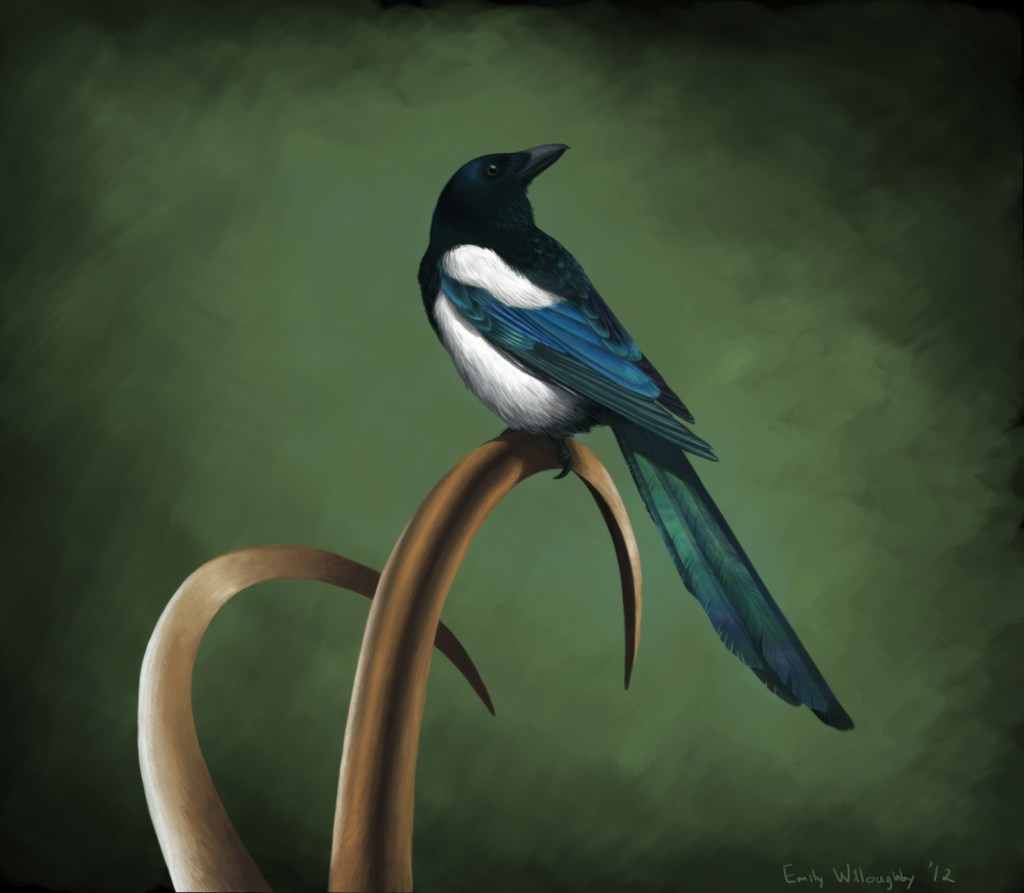
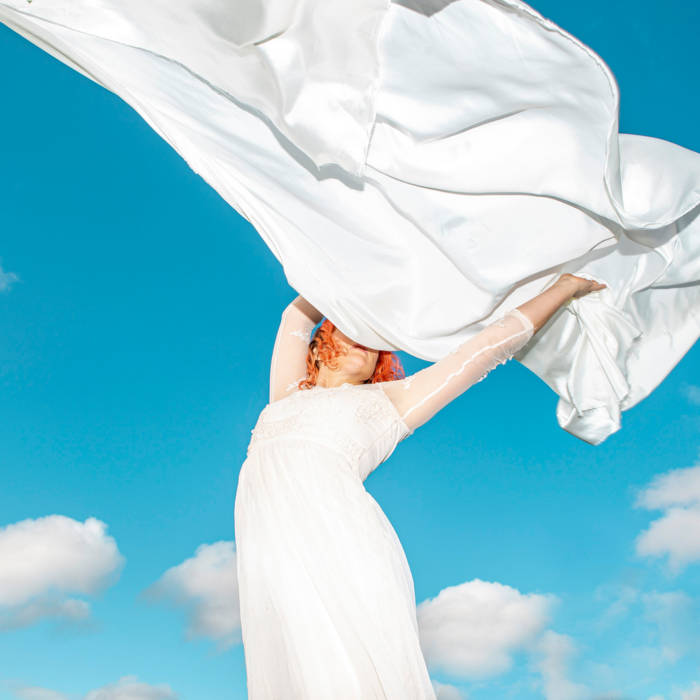
When The Space Between Was So Much Less by Emily Magpie

Emily Magpie’s a somewhat unconventional name. I’ve never had the privilege of meeting anyone with the surname Magpie. I did a short search on the world wide web and found that it is a very, very scarce name. Perhaps Magpie is a stage name; that seems more likely to me. I welcome Emily Magpie to correct me if I am wrong.

Moving right along then for a bit of focus on the tunes. After all, I am not a linguist. The music is beautiful, much like the plumage of a magpie. Take the time to stop and see the iridescence of the Magpie’s feathers; they take my breath away. Emily Magpies’ music has some sonic crossover from a bird to a piece of music. Her music is iridescent because it sounds different every listen. It shimmers and invites us to take a closer look/listen.

I wasn’t able to find much information about Emily Magpie. That can be good because I don’t approach her music with expectations. I can sit back and let the music flow around me. I let my breathing get into a rhythm with the song, and just as I get comfortable, the music jumps out of the speakers and jars me into a new flow.

All of the tracks on this EP have the prefix Re. Now, what’s a prefix? It’s a string of letters or words added at the front of root words to change their meaning; the English prefix Re means occurring again or repeating. On this EP, we have ReFlow, ReForward, ReFocus and ReBend. Emily Magpie has her music flowing again, which tells us that it was flowing at one point in time, then stopped and is now flowing again. I wonder if this alludes to her music. She felt in the groove, flowing wherever the music was taking her. And then it stopped, Covid perhaps? But now it is ReFlowing, post-Covid.

ReFocus

ReForward, moving forward again. ReFocus, being in focus again. And ReBend, bending again?

So here is my theory on the state of the music that Emily Magpie is presenting to us, the listeners. Her music was flowing, and life was good. She was moving in a good direction, forward. She was focused and flowing forward. Now, this is the tricky part, ReBending. I suppose it could indicate a certain amount of flexibility, being able to bend without being broken. Yeah, I’ll go with that wild guess.

The music is as eclectic as the names. Emily Magpie uses a lot of tech toys in her music, drum beats, synths, Musique Concrète and sampling, to name a few. I have dabbled in creating music with digital toys, and it isn’t easy to be as good as Emily Magpie. On ReFlow, she builds layers and layers of music that climb to a crescendo and then descends graciously to allow the next track to come at us.


That track is ReForward, and it confuses me. It has drumming and chanting that sounds like the First Nations music I heard playing at a park just a few days ago. The track allows that sampling to drift in and out of the tune as it continues to move forward. Forward again. ReForward.

ReFocus is a mix of protest chants, jazz, electronica and raw energy. I don’t necessarily get what the track is ReFocused on, but I enjoy focusing my attention on the tune and listening to it several times to feel the depth of the track. Wonderful music, simply wonderful.
ReBend is more chilled and laid back. It lets us settle down, ReBend from the dynamic sounds that precede it. A friendly, gentle closer to the EP.

Bottom line, it took me several listens to get into the groove with this EP, but when I did, it was magical. Totally worth the time and energy to get there. I don’t know if I grasp what Emily Magpie is telling us through the medium of music, but I had a good time listening to the music. I recommend this EP and give it a 5-star rating.

The Clash

My summer listening has been eclectic and an exciting mix of old and new recordings. Some of the music was mesmerizing and played over and over. Some albums barely made it through the first listen. Some music was part of my project of listening to my record collection front to back, every record, even the not-so-good ones. Many events in my life also impaired my writing. Some were good. Some not so good. Some were a little in column A and a little in column B. Sometimes, I visited a dry well. https://www.youtube.com/watch?v=QaVQUbiQbEY As of today, August 16, I am so far behind I think I’m winning.

As a consolation for the music that I have intended to write about but never got around to, I will give a short, hopefully sweet, compilation of what I have been spending my summer listening to. I’ll start with the vinyl slabs.

Over the time span of about two weeks, I listened to my collection of The Clash on vinyl. They released six studio albums over the tumultuous six years they were a band. In chronological order, I listened to these.

The Clash (1977)

Give ‘Em Enough Rope (1978)

London Calling (1979)

Sandinista! (1980)

Combat Rock (1982)

Cut the Crap (1985)

The Clash is a band that I have been listening to consistently since the early 80s and still enjoy throwing on the platter these days. Their self-titled first release, The Clash, has a fascinating history. This is a copy and paste from Wikipedia: “The album was not released in the US until 1979, making it their second US release. The US version also included a significantly different track listing, changing the track order and swapping out several songs for non-album tracks recorded in the interim.”

This release mish-mash is why I own multiple copies of this album, and it makes listening to all the variants necessary due to the different tracks. I prefer the original UK release, but they are all good.

November 1978 saw the release of the second album from The ClashGive ‘Em Enough Rope, their first release in the good ol’ US or A. Their second album, Give ‘Em Enough Rope, is interesting because it feels crushed between the two heavy albums sandwiching it, The Clash and London Calling. I liked this album, and it received good press and many accolades. It has held up well over the years and can still hold its own. It maintains the punk ethos that The Clash were initially identified as a part of, especially in their live shows where they were in-your-face punk all the way.

Joe Strummer

The album marked the first album appearance of drummer Topper Headon, who joined the band shortly after the recording of their first album. Most of the tracks, as with the prior album, were written by guitarists Joe Strummer and Mick Jones with the exception of English Civil War is a traditional song derived from an American Civil War song, “When Johnny Comes Marching Home,” written by Irish-born Massachusetts Unionist Patrick Sarsfield Gilmore. It was popular on both sides of the conflict.

Mick Jones

“Julie’s Been Working for the Drug Squad” (known as “Julie’s in the Drug Squad” on the original American release). I can put this song on repeat on Apple Music and listen to it a dozen times without getting tired of it.

“All the Young Punks (New Boots and Contracts)” (known as “That’s No Way to Spend Your Youth” on original American release). Every time I hear this song, I hear a nod to David Bowie and Mott The Hoople with their song All the Young Dudes. It also makes a synapse connection to New Boots and Panties by Ian Dury, another good album you should give a listen to.

Moving along, we come to the album that most people would associate with The ClashLondon Calling. I even heard the song London Calling on Muzak, for Pete’s sake. Is nothing sacred? I think this is the album that got me listening to The Clash. A band that I was a minor member of played our interpretation of the song London Calling. I am still trying to nail down the lead guitar parts. London Calling is a double album that gave The Clash plenty of room to develop their music in new and exciting ways. They moved away from the Punk movement they most strongly identified with in their first two albums and their live music. In London Calling, we can hear the band playing around with rockabilly, pop, reggae, and hard rock. With Mick Jones composing and arranging much of the music and Joe Strummer writing most of the lyrics, they started addressing social issues, including racial conflict, drug use, and the responsibilities of adulthood, such as having steady employment and paying the bills. The more I listen to London Calling, the more I appreciate the artistry of this recording.

If a double record release wasn’t enough, the next album from The Clash is the triple album Sandinista! This album took The Clash and their fans in a whole new direction. Sandinista! is not a punk rock album. It has funk, reggae, jazz, gospel, rockabilly, folk, dub, rhythm and blues, calypso, disco, rap and even punk. Your favourite genre doesn’t matter; it will get some air time on Sandinista!

Topper Headon

It gave artistic freedom to all the band members. A generic credit for The Clash replaced the band’s traditional songwriting credits of Strummer and Jones for the first time. Sandinista! is the only Clash album on which all four members have a lead vocal. Drummer Topper Headon made a unique lead vocal contribution on the song “Ivan Meets G.I. Joe,” and Paul Simonon sings lead on “The Crooked Beat.”

Sandinista! is an album that never gets old for me. Mick Jones said, “I always saw it as a record for people who were on oil rigs. Or Arctic stations. People that weren’t able to get to the record shops regularly.” I can get to the record shops, but I can’t afford to buy records anymore, so I listen to the ones I have, and Sandinista! is a deserted island album.

It is always difficult to follow a fantastic recording with another equally amazing. Very few bands or artists can pull that feat off. Pink Floyd did it more than once. They moved from their breakthrough album, The Dark Side of the Moon (1973), to Wish You Were Here (1975), followed by Animals (1977) and closing with The Wall (1979). The Clash did it with Sandinista! Following on the heels of London Calling and leading us into Combat Rock. That’s ten sides of vinyl that nail it. Nineteen songs that give us 1 hour and five minutes on London CallingSandinista! gives us 36 songs and 2 hours and 25 minutes of listening time. Hot on their heels, we have a third stellar album, Combat Rock. The Clash are clocking in at 46 minutes over an additional 12 songs. If my math is correct, they give us three outstanding albums containing 67 songs and 4 hours and 16 minutes of listening time. That’s a pretty solid lineup.

Paul Simonon

And then the wheels fall off. The train derails. The shit hits the fan. Cut The Crap is the dying gasp of what remained of The ClashCut the Crap did not receive an excellent reception, with most reviews being in the lacklustre 2 out of 5 on the charts. I think Mike Laye sums up the consensus—a writer, photographer and Clash insider—said the band should “just drop the ‘Cut’ from the title because to me this [is] Crap. iWow! That was a lot of music and time well spent; for the most part, even Cut the Crap had its moments. Onward to some more of my summer listening with bands that I got to listen to through some wonderful folks who sent their music to me.

Aerodrome Motel

BIG STIR RECORDS and NICK FRATER invite you to check in to AERODROME MOTEL, the new album from the acclaimed Croydon, England-based singer, songwriter, multi-instrumentalist and producer. The record, featuring the lead single/focus track “Dancing With A Gertrude”, sees release August 19 on record store shelves (as a CD) and streaming platforms worldwide, and is available for pre-order at www.bigstirrecords.com and other online outlets now. Frater‘s tenth album overall and his third with Big StirAERODROME MOTEL builds on the success of last year’s acclaimed Earworms and marks yet another stride forward for the ever-creatively-restless, always-impeccably-tuneful Renaissance man.

Nick Frater stands out on a modern pop landscape populated by innumerable prolific self-professed polymaths by virtue of not having to profess anything about himself at all. The critics and tastemakers of the indie-pop world are more than happy to do it for him: Earworms was 2021’s Album of the Year at Powerpopaholic. The previous year’s Fast & Loose won Frater a five-star review, and a citation as a “pop tunesmith par excellence,” in Britain’s revered Shindig! Magazine. And 2019’s Full Fathom Freight-Trainearned the Album of The Year honor from International Pop Overthrow, with all three adorning countless other Year’s Best lists worldwide: Earworms alone ranked in the Top 20 with pop scene influencers in the US, UK, Canada, Italy, Sweden and Argentina. 

That acknowledged consistency of sheer quality is why a new Nick Frater album is always something special, but each record is also unique… he simply doesn’t repeat himself. Frater’s songwriting has drawn frequent comparisons to Bacharach, and Aerodrome Motel sees him  continuing his quest for new catchy hooks and melodies. But he’s also chosen to take a few risks on this album and explore some broader subject matter too. We’re treated the usual rock song territory of love and loss, but also endangered baby names (on the undeniably catchy single “Dancing With A Gertrude”), wave machines (on the title track with its mutual echoes of Elliot Smith and the Fab Four) and even the graffiti from a toilet door set to music (the horn-driven, Elton John-inflected “Rough & Tumble”)!

Frater tells us: “The last few albums have felt like some big steps forward for my songwriting. More and more I’ve enjoyed writing purely from the voice. Frequently you’ll find me being that person singing at the bus stop or while walking around the supermarket, recording ideas in to my phone. I get a few funny looks, but I’m convinced this technique is helping capture some catchy tunes. Having started songwriting by trying to find surprising and complicated chords – and I still love those songs! – I also love the idea that a pop song could translate to a Salvation Army band, or panpipe trio, or 8bit chip tune. Could this song survive being played by kids with a recorder? I never ever want to hear the answer to that question, but I find it helps focus my melody writing!”

By the time those supermarket melodies have been refined, paired with dollops of a trademark lyrical wit, immaculately produced and performed by Nick and a sterling guest cast, they’ve become irresistible earworms that anyone might catch themselves humming in public. Frater lives in a land of 60s/70s sophisticated-pop, a self-confessed obsession with vintage recording techniques, and a ‘more is more’ approach to production. AERODROME MOTEL, named for the long-abandoned London airport near Frater‘s home, hits the tarmac in exactly that mode, with “The Pleasure Is Mine” bringing to mind Steely Dan. It then dives into a pair of rockers – “Love Heist” and “Stuck In My Ways” – sporting the kinds of radio-perfect choruses and soaring harmonies that have made Frater so beloved among power pop aficionados worldwide. 

Those hooks are all over the record, of course – it is a Nick Frater album, after all! – but there’s texture aplenty, and wry observations and introspection alike informing the lyrics. “Dear Modern Times” is a scathing look at the death of nuance in today’s social discourse, in a musical setting Frater calls “The Zombies meet Billy Joel.” Elsewhere, “American Expressways” brings Brian Wilson-style studio savvy to an examination of the befuddled ambivalence of a soldier returning from the front. There’s also the character-study ballad “No Hard Feelings,” which brings together haunting mellotron strings, a Twin Peaks baritone guitar, backwards tape, and harmonium against sparse drums, creating an almost cinematic scale to the song balanced against an intimate and heartfelt vocal. 

The album closes with another character study, “White Courtesy Phone,” a blissed-out psychedelic country-waltz with haunting pedal steel and French horn framing a portrait of a traveler who never seems to arrive anywhere. It hearkens back to the title track, inspired by the artwork of the 1960s motel matchboxes gorgeously echoed on the album artwork by frequent collaborator Adam Mallett. And that’s the framework of the record’s traveling themes, with Frater bringing his love of West Coast American mythology and his very British sensibilities together… with side trips exploring adult male mental health, finding oneself gagged and bound in the back of a getaway car, and just plain rude-sounding but intoxicating glam rock stomp. 

AERODROME MOTEL is far more than a simple layover or road stop on Nick Frater‘s ever-ascending career path, and it’s thrilling to hear his melodic and lyrical inventions continue to take flight. Open yourself to Nick‘s way of blending wit and melody and you’ll likely laugh, cry, and pause to see the world around you in a new light… often in the space of the same song. Check in on August 19 and stay as long as you like… just leave the wave machine where you found it, for the next guests.

Small Wonders vie Starry Skies

Small Wonders, album was an enjoyable listen to from front to back, top to bottom, left to right, and start to finish. Are there any other ways to listen to the album that I missed? I was tempted to say that I listened to the vinyl record from the first groove to the last, but then I woke up, had a cup of joe, put my brain in gear and avoided that mistake. You may be asking yourself why that was a mistake. You will need to read through this blog to find the answer to that question.

I was also tempted to say that I liked this album very much with a half dozen very’s. I also avoided that blunder and can honestly say that I thoroughly enjoyed this recording. So, why did I find this album such a good listening experience? The answer to that question has more than one answer, but I will try to explain it as concisely as possible.

Small Wonders

Right off the start, I like the album cover. It is minimalist and conveys the information we need to know in a pleasantly neat package but remains artistic and lovely to peruse. Art is often challenging to put into words, and that applies to this album cover. I like it just because I like it.

The music? Yeah, I like it as much, if not more than I like the album cover. The reason I like it is equally difficult to explain as the cover art was. The musicianship is top-notch and flows from soft folk-influenced music, as heard on the opening track, Smile Through The Dark, to in-your-face rock, as heard on I Don’t Want To Be That Kind Of Guy

Starry Skies display their mastery over their musical instruments without being ostentatious. Warren McIntyre plays guitar, sings lead vocals, writes lyrics and answers emails from people like me. Johnny Rooney is on lead guitar, and Jenny Lunan is on Cello/Vocals. Heather Phillips on violin adds her vocals to the wonder of Small Wonders. Sophie Pragnell is on viola/vocals/percussion, Adam Scott on bass, and Mike Harrison plays drums. Mike is also the head of sound for Snarky Puppy

Heather and Warren

I found the lyrics right up my alley; they tell short stories, and I like that. My favourite book is a collection of short stories, and Starry Skies tell short stories with aplomb. A great example of their storytelling is Spitfire Susie, a song about Warren’s neighbour Miss Susie Ross who died in 2021, aged 99. They became friends when she offered her empty garage to park his 1967 Vauxhall Victor. He started to drive her to visit her best friend in a care home and do her daily shopping. The song, Spitfire Susie, was released on what would have been her 100th birthday, and it was played at her funeral. That, my friends, is a great story song.

One more example of lyrics that jumped out at me. I Don’t Wanna Be That Kinda Guy is the song.

“Played the drums in a rock n roll band
Shy boy trying not to reveal
All the weakness and fear inside
And I learned how to never feel

I don’t wanna be that kinda guy…”

Songs that speak to our souls are special. Songs that speak to my soul get my attention and this one sure did.

Warren McIntyre comments on the lyrics. “This record is intended to celebrate the small wonders that are all around us if we open our eyes to see them. The songs were written during 2021, when we were all really grateful for small things like being able to go for a walk with a friend. But, as a collection, they ended up a bit of a mish-mash of lyrical-led protest songs, some folk-pop with cello, viola and violin, a beautiful, sparse piano ballad and even a couple of punky indie dance floor fillers,”.

I could go on and on about the lyrics and the music accompanying those words, but I want to encourage you to listen and discover the stories yourself. I have a saying for listening closely to music, listening intentionally. It is listening to hear what each instrument adds to the final mix. Listening to vocal inflections, does it go up as an indication of interest or hope? Or do they go down to imply seriousness, hopelessness or sorrow? Yeah, that’s what I do; I listen intently. Small Wonders is an excellent album to mine for the details.

The Small Wonders album is currently available for pre-order. As of August 12, it will be available everywhere, including Apple Music, Spotify and Bandcamp, and on CD and sky-blue vinyl. It can be ordered from record shops or purchased directly from Last Night From Glasgow. The album is distributed through Proper Distribution in the UK and Redeye in the USA.

‘Smile Through The Dark’ https://starryskies2.bandcamp.com/track/smile-through-the-dark

Album order https://shop.lastnightfromglasgow.com/products/xxx-the-starry-skies-small-wonders 

Bandcamp https://starryskies2.bandcamp.com/album/small-wonders

‘Kind Hearted People’ https://soundcloud.com/foxstarrecords/05-starry-skies-kind-hearted-people-rev1

‘Spitfire Susie’ https://starryskies2.bandcamp.com/album/spirfire-susie-ep

Spotify https://open.spotify.com/album/3YWRhVhs5TEfC3eIVDWSOD

Shameless Promotion PR

Website | Facebook | Twitter | Soundcloud | Instagram | Spotify | LinkedIn | Email

A vinyl record has one groove that spirals from the edge towards the centre.